Basic Sticky Rice
Rate this recipeBe the first to rate
 By AprilPublished
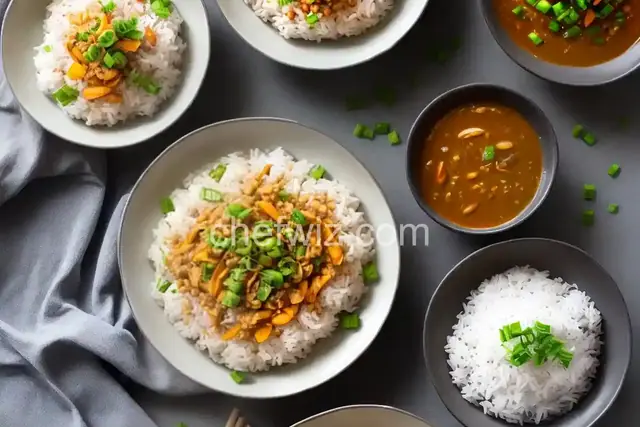
 When it comes to versatile and delicious grains, sticky rice takes the crown.
 By AprilPublished
 When it comes to versatile and delicious grains, sticky rice takes the crown.
Begin by soaking the rice in a container that can hold at least twice its volume. Cover the rice with 2 to 3 inches of room-temperature water and let it soak for 6 to 24 hours. If you need to reduce the soaking time, you can soak the rice in warm water (about 100 degrees) for 2 hours. The longer soak will enhance the flavor and texture, but the rice will still be edible with the shorter soak in warm water.
After soaking, drain the rice and place it in a steamer basket. Make sure the steamer basket is set over boiling water in a large pot or wok. The rice should not be in direct contact with the boiling water. Cover the pot or wok and steam the rice for approximately 25 minutes, or until it becomes shiny and tender. Around the 20-minute mark, flip the rice over so that the top layer is now on the bottom. Be cautious not to let the pot run dry during steaming, adding more water if needed, but ensuring it doesn't touch the rice.
Once the rice is cooked, transfer it onto a clean work surface. Use a long-handled wooden spoon to gently flatten the rice, and then fold it over on itself from both sides, similar to kneading dough. This process helps eliminate any clumps and results in a smooth, round lump of rice. Place the rice in a covered basket or serving bowl, making sure it
When it comes to versatile and delicious grains, sticky rice takes the crown. This staple food, also known as glutinous rice, is a popular choice in many Asian cuisines. But have you ever wondered how to make the perfect batch of sticky rice at home? In this article, we'll delve into the basics of preparing sticky rice and share some tips and tricks to elevate your culinary skills.
Unlike regular rice, sticky rice has a higher starch content. This unique characteristic gives it its signature stickiness when cooked. The grains of sticky rice stick together, making it easier to eat with chopsticks or shape into delicious rice balls. Its sticky nature also makes it an excellent choice for dishes like sushi, rice dumplings, and sticky rice desserts.
Before cooking sticky rice, it's important to soak it for a few hours or overnight. Soaking allows the grains to absorb water, resulting in a fluffy and evenly cooked final product. The water breaks down the starches, making the rice easier to digest and preventing it from turning into a clumpy mess.
When it comes to cooking sticky rice, there are two main methods: steaming and boiling. Both methods yield delicious results, but they differ in texture and cooking time.
Steaming sticky rice gives it a slightly chewy and sticky texture. To steam sticky rice, you'll need a bamboo steamer or a steaming basket. The grains are placed in a basket lined with a thin cloth or banana leaves, then steamed over boiling water for about 20-30 minutes. The result is perfectly cooked, sticky rice that pairs well with savory dishes.
On the other hand, boiling sticky rice results in a softer and stickier texture. This method requires less preparation time and equipment. Simply rinse the soaked rice, place it in a pot with water, and bring it to a boil. Cook the rice for around 15-20 minutes until it reaches the desired consistency. Boiled sticky rice is a great option for desserts and sweet dishes.
Now that you know the basics, here are some tips and tricks to take your sticky rice to the next level:
With these tips in mind, you'll be on your way to mastering the art of sticky rice. Whether you're craving a savory stir-fry or a sweet dessert, this versatile grain will never disappoint.
A1: No, regular rice and sticky rice have different starch contents, resulting in different textures when cooked.
A2: The cooking time varies depending on the method used. Steaming takes around 20-30 minutes, while boiling takes around 15-20 minutes.
A3: Yes, you can freeze cooked sticky rice. Make sure to let it cool completely before transferring it to an airtight container or freezer bag.
A4: Absolutely! To reheat sticky rice, sprinkle it with a few drops of water and steam it for a few minutes until heated through.
A5: Some popular dishes include sushi rolls, sticky rice dumplings, mango sticky rice, and sticky rice with Chinese sausage.
A6: While sticky rice is not traditionally used for risotto, you can experiment with it for a unique twist on the classic dish.
A7: Keep uncooked sticky rice in an airtight container in a cool, dry place to maintain its freshness.
A8: Yes, you can use a rice cooker to cook sticky rice. Follow the manufacturer's instructions for best results.
In conclusion, sticky rice is a versatile and delicious grain that can elevate your cooking game. By understanding the basics of soaking and cooking methods, along with some helpful tips and tricks, you'll be able to create perfect batches of sticky rice every time. So go ahead, embrace the stickiness, and explore the endless possibilities this grain has to offer!
AprilCook, recipe developer and the heart of Chefwiz. More about April