Basic Hummus Recipe from Ottolenghi's 'Jerusalem'
Rate this recipeBe the first to rate
 By AprilPublished
 Have you ever craved a creamy, flavorful dip that can be enjoyed with anything from pita bread to fresh veggies?
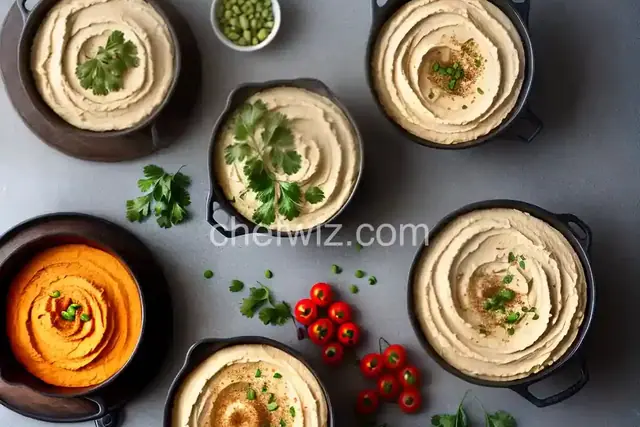 By AprilPublished
 Have you ever craved a creamy, flavorful dip that can be enjoyed with anything from pita bread to fresh veggies?
In a large bowl, place the chickpeas and cover them with cold water that is at least twice their volume. Allow them to soak overnight.
The next day, drain the chickpeas and set aside.
In a medium saucepan over high heat, add the drained chickpeas and baking soda. Cook for approximately 3 minutes, stirring constantly.
Add water to the saucepan and bring it to a boil. Skim off any foam and remove any floating skins from the surface. The cooking time for the chickpeas will vary between 20 and 40 minutes, depending on their type and freshness. They should be tender and easily break apart when pressed between your thumb and finger, but not overly mushy.
Drain the cooked chickpeas, resulting in approximately 3 2/3 cups or 600g.
Place the chickpeas in a food processor and process until a stiff paste is formed.
While the food processor is still running, add the tahini paste, lemon juice, garlic, and 1 1/2 teaspoons of salt.
Gradually pour in the iced water and continue mixing for about 5 minutes, until a smooth and creamy paste is achieved.
Transfer the hummus to a bowl and cover the surface with plastic wrap. Allow it to rest for at least 30 minutes.
If not using immediately
Have you ever craved a creamy, flavorful dip that can be enjoyed with anything from pita bread to fresh veggies? Look no further than hummus! This Middle Eastern delicacy has gained popularity worldwide for its versatility and delicious taste. In this article, we will explore a basic hummus recipe inspired by the renowned chef Yotam Ottolenghi's book 'Jerusalem'. So, grab your apron and let's dive into the world of hummus!
Hummus is like a blank canvas waiting to be painted with flavors. It consists of simple ingredients like chickpeas, tahini, garlic, lemon juice, and olive oil. The combination of these ingredients creates a magical blend that is both creamy and tangy. Just like how a symphony orchestra brings together different instruments to create a masterpiece, hummus brings together various flavors to create a culinary symphony in your mouth.
Imagine a tightrope walker gracefully balancing on a thin thread. That delicate balance is what makes hummus so special. The creamy texture of the chickpeas and tahini is balanced by the zingy freshness of lemon juice and the subtle kick of garlic. It's a delicate dance of flavors that keeps you coming back for more.
Hummus is like a chameleon in the culinary world. It can be enjoyed as a dip with crunchy pita chips or as a spread on sandwiches and wraps. It can even be used as a base for salad dressings or as a filling for stuffed vegetables. The possibilities are endless! Just like a versatile actor who can effortlessly switch between different roles, hummus adapts to any dish it is paired with.
Now that you understand the magic and versatility of hummus, it's time to create your own masterpiece. Here's a simple recipe inspired by Ottolenghi's 'Jerusalem' to get you started:
Remember, this recipe is just a starting point. Feel free to experiment with different flavors and ratios to create your own unique twist on this classic dip!
Hummus is a truly versatile and delicious dip that can elevate any meal or snack. It's a harmonious blend of flavors that delights the taste buds and leaves you craving for more. With a basic recipe like the one we shared, you can unleash your creativity and experiment with different flavors and ingredients to create your own signature hummus. So, go ahead and embark on your hummus journey, and let your taste buds dance to the symphony of flavors!
Yes, you can use canned chickpeas for convenience. Just make sure to drain and rinse them thoroughly before using.
Homemade hummus can be stored in an airtight container in the refrigerator for up to a week.
Yes, you can freeze hummus for up to 3 months. Just remember to thaw it in the refrigerator before using.
If you don't have tahini on hand, you can use unsweetened almond butter or peanut butter as a substitute.
Absolutely! Feel free to experiment with spices like cumin, smoked paprika, or even chili powder to add a flavor twist to your hummus.
If you prefer a smoother hummus, you can add a bit of water or extra olive oil while blending to achieve your desired consistency.
Yes, you can make hummus using a blender or even a hand immersion blender. The texture might be slightly different, but it will still be delicious.
Absolutely! Get creative with your toppings. Try adding roasted red peppers, sun-dried tomatoes, or even caramelized onions for an extra burst of flavor.
AprilCook, recipe developer and the heart of Chefwiz. More about April