Basic Deep-Fried Turkey Recipe
Rate this recipeBe the first to rate
 By AprilPublished
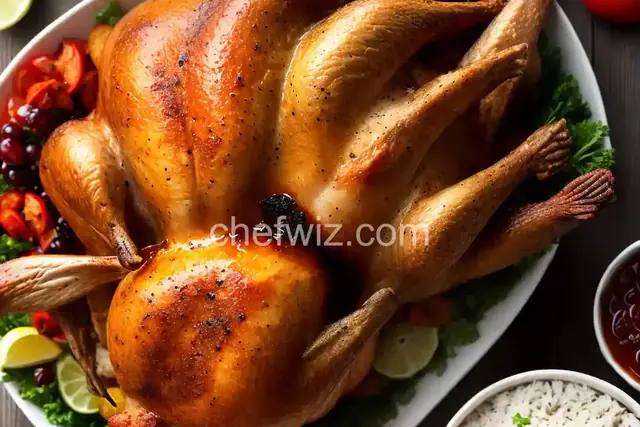
 Are you ready to take your turkey game to the next level? Deep-frying a turkey is a fantastic way to achieve a crispy, golden-brown skin and juicy, tender meat.
 By AprilPublished
 Are you ready to take your turkey game to the next level? Deep-frying a turkey is a fantastic way to achieve a crispy, golden-brown skin and juicy, tender meat.
Prepare the turkey by placing it on the frying rig according to the instructions provided by the manufacturer, ensuring that the legs are pointing down.
Place the turkey in an empty frying vessel and add water gradually until the turkey is just submerged.
Remove the turkey from the water and pat it dry thoroughly using paper towels.
Empty the water from the frying pot and ensure that it is completely dry before filling it with an equivalent amount of oil.
Ignite the turkey fryer and heat the oil to a temperature of 350°F (177°C).
Turn off the gas completely and slowly lower the turkey into the hot oil, taking at least 1 1/2 minutes to do so.
Once the turkey is fully submerged, reignite the turkey fryer and adjust the flame to maintain a steady temperature of 325 to 350°F (163 to 177°C).
Fry the turkey until an instant-read thermometer, inserted into the coolest part of the breast, registers a temperature of 145°F (63°C). This should take approximately 25 minutes.
Allow any excess oil to drip back into the pot, then transfer the turkey to a clean disposable aluminum tray or a rimmed baking sheet.
Season the turkey with salt and pepper, and let it rest for at least 10 minutes before carving and serving.
Add oil to the fryer, making sure not to exceed the maximum fill line.
12.
Are you ready to take your turkey game to the next level? Deep-frying a turkey is a fantastic way to achieve a crispy, golden-brown skin and juicy, tender meat. In this article, we will walk you through the basic steps of deep-frying a turkey, ensuring a delicious and mouthwatering end result.
Before you embark on your deep-frying adventure, it's essential to prepare your turkey properly. Start by ensuring that your turkey is completely thawed and dry. Any moisture on the turkey can cause hot oil to splatter, leading to potential safety hazards. Additionally, make sure to remove any giblets or neck from the turkey's cavity.
Seasoning your turkey is a key step in achieving a flavorful result. You can get creative with your choice of seasonings, such as a traditional blend of salt, pepper, and garlic powder, or experiment with herbs and spices to suit your taste preferences. Remember to season both the inside and outside of the turkey generously, allowing the flavors to penetrate the meat.
Now that your turkey is ready, it's time to set up your deep fryer. Choose an outdoor location that is flat, stable, and away from any flammable materials. Fill the fryer with oil, ensuring that you have enough to fully submerge the turkey. It's recommended to use peanut oil due to its high smoke point and excellent flavor, but you can also use other oils suitable for frying.
Heating the oil to the correct temperature is crucial for a successful deep-frying experience. Use a thermometer to monitor the oil and heat it to approximately 325°F (163°C). Maintaining a consistent temperature throughout the frying process is essential to achieve a perfectly cooked turkey.
Now comes the exciting part – it's time to deep-fry the turkey! Slowly lower the turkey into the hot oil, taking extra caution to prevent any oil splatters. The turkey should be fully submerged in the oil. Cook the turkey for about 3-4 minutes per pound, or until the internal temperature reaches 165°F (74°C) for the breast and 175°F (79°C) for the thigh.
While deep-frying a turkey can be a delicious and enjoyable experience, it's essential to prioritize safety. Never leave the fryer unattended, keep children and pets away from the frying area, and use protective gloves and goggles to prevent any accidents. It's also crucial to have a fire extinguisher nearby, just in case.
Once your turkey has reached the desired internal temperature, carefully remove it from the fryer and let it rest for a few minutes. This resting period allows the juices to redistribute, resulting in a moist and flavorful turkey. Carve the turkey and serve it alongside your favorite sides for a truly memorable meal.
No, it is crucial to fully thaw and dry the turkey before deep-frying. Frozen turkeys can cause the hot oil to splatter and lead to safety hazards.
You will need enough oil to fully submerge the turkey. The amount of oil required depends on the size of the turkey and the fryer's capacity. It's recommended to check the fryer's instructions for specific guidelines.
Yes, you can reuse the frying oil, but it should be properly strained and stored in a cool, dark place. Discard the oil if it becomes rancid or develops a strong odor.
It takes approximately 3-4 minutes per pound to deep-fry a turkey. However, always use a meat thermometer to ensure the turkey reaches the appropriate internal temperature.
If the oil starts to smoke, it means it has exceeded its smoke point and is too hot. Turn off the heat immediately, let the oil cool down, and adjust the temperature before resuming frying.
No, it is not recommended to stuff the turkey before deep-frying. Stuffing can prevent the turkey from cooking evenly and increase the risk of foodborne illnesses.
No, deep-frying a turkey should always be done outdoors to minimize the risk of accidents and ensure proper ventilation.
Aside from never leaving the fryer unattended, keeping children and pets away, and using protective gear, it's crucial to follow the manufacturer's instructions for your specific fryer and ensure proper disposal of used oil.
In conclusion, deep-frying a turkey can result in a succulent and flavorful centerpiece for your holiday or special occasion feast. By following the steps outlined in this article and prioritizing safety, you can master the art of deep-frying a turkey and impress your family and friends with a delicious culinary creation.
AprilCook, recipe developer and the heart of Chefwiz. More about April