Basic Biscuits
Rate this recipeBe the first to rate
 By AprilPublished
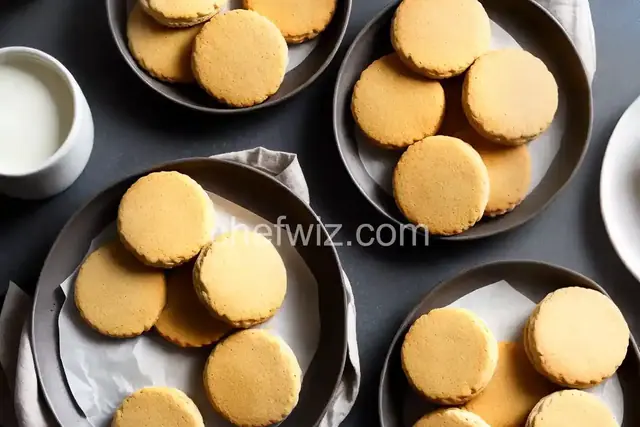
 Who doesn't love the warm, flaky goodness of a freshly baked biscuit?
 By AprilPublished
 Who doesn't love the warm, flaky goodness of a freshly baked biscuit?
Looking for an easy homemade biscuit recipe suitable for both beginners and experienced cooks? Look no further! This highly-rated recipe requires just five ingredients, all of which are likely already in your kitchen. Here's what you'll need:
- All-purpose flour: This ingredient binds the other ingredients together and creates structure through gluten formation when combined with moisture and heat.
- Baking powder: Used as a leavening agent instead of yeast, baking powder causes the dough to expand, giving the biscuits volume and texture.
- Salt: Enhances the flavor and strengthens the protein in the dough.
- Shortening: Made purely of fat, shortening reduces gluten strands, resulting in a soft and crumbly biscuit compared to butter, which contains water and milk solids.
- Cold milk: Adds moisture, flavor, and structure to the biscuit dough.
Now, let's go through the steps:
Sift the dry ingredients (flour, baking powder, and salt) into a large bowl.
Cut in the shortening until the mixture resembles coarse crumbs.
Add the milk to the mixture and mix until the dough is soft and no longer sticks to the sides of the bowl.
Turn the dough out onto a lightly floured surface and knead briefly, around 5 to 7 times.
Roll the dough into a sheet that is approximately ½-inch thick.
Use a biscuit cutter, lightly dusted with flour, to cut out the
Who doesn't love the warm, flaky goodness of a freshly baked biscuit? Whether you slather them with butter and jam or use them as a base for a breakfast sandwich, biscuits are a versatile and delicious treat. In this article, we'll explore the basics of making biscuits from scratch. So grab your apron and let's get started!
Biscuits are like little puffs of clouds, tender and buttery on the inside, with a golden, slightly crispy exterior. They are the perfect accompaniment to soups, stews, and just about any meal you can think of. But what makes biscuits so special?
It all comes down to the technique. Biscuits are made using a method called "cutting in" the fat. This means incorporating cold butter or shortening into the flour mixture until it resembles coarse crumbs. When the biscuits bake, the fat melts and creates steam, which helps the dough rise and gives the biscuits their signature flakiness.
The type of fat you use in your biscuits can greatly affect the end result. Traditional recipes call for butter, which adds a rich, buttery flavor. However, you can also use shortening or a combination of the two. Shortening produces biscuits that are exceptionally tender and flaky, while butter adds a depth of flavor.
Experiment with different fats to find the perfect balance of flavor and texture for your biscuits. You can even try using lard for a truly indulgent treat!
The type of flour you use also plays a role in the texture of your biscuits. All-purpose flour is a great choice for most recipes, as it has a moderate protein content that helps create a tender crumb. If you prefer a lighter, fluffier biscuit, you can use cake flour, which has a lower protein content. On the other hand, if you want a heartier, more substantial biscuit, try using self-rising flour, which already contains baking powder and salt.
One ingredient that sets biscuits apart from other baked goods is buttermilk. Its tangy flavor adds a unique depth to the biscuits and helps create a tender texture. If you don't have buttermilk on hand, you can make a quick substitute by adding a tablespoon of lemon juice or vinegar to a cup of milk and letting it sit for a few minutes.
Now that you know the basics, it's time to put your biscuit-making skills to the test. Remember, practice makes perfect, so don't be discouraged if your first batch doesn't turn out exactly as you hoped. With a little time and patience, you'll soon be making biscuits that would make any Southern grandma proud.
While margarine can be used as a substitute for butter in biscuit recipes, keep in mind that it may affect the flavor and texture of the biscuits. Butter tends to produce a richer, more flavorful biscuit, but if you prefer the taste of margarine, go ahead and give it a try!
Yes, you can freeze biscuit dough for later use. Simply shape the dough into individual biscuits, place them on a baking sheet, and pop them in the freezer until firm. Once frozen, transfer the biscuits to a resealable bag and store them in the freezer. When you're ready to bake, simply thaw the biscuits in the refrigerator overnight and bake as directed.
To achieve maximum rise, make sure your baking powder is fresh and active. Also, be sure not to overmix the dough, as this can lead to tough biscuits. Handle the dough as little as possible and gently pat it out to the desired thickness before cutting.
Absolutely! If you don't have a rolling pin, you can use a lightly floured glass or your hands to gently press the dough to the desired thickness. Just be sure not to overwork the dough, as this can result in tough biscuits.
Leftover biscuits can be stored in an airtight container at room temperature for up to 2 days. To reheat, simply wrap the biscuits in foil and warm them in a 350°F oven for about 10 minutes, or until heated through.
Absolutely! Adding cheese or herbs to your biscuit dough can add an extra layer of flavor. Simply stir in your desired additions after cutting in the fat but before adding the liquid ingredients.
If you don't have buttermilk on hand, you can make a quick substitute by adding a tablespoon of lemon juice or vinegar to a cup of milk and letting it sit for a few minutes. This will create a similar tangy flavor and help tenderize the biscuits.
Yes, you can make gluten-free biscuits by using a gluten-free flour blend in place of regular flour. Keep in mind that the texture and flavor may be slightly different, so it may take some experimentation to find the perfect gluten-free biscuit recipe for your taste.
So there you have it – the basics of making biscuits from scratch. Whether you're a seasoned baker or a beginner in the kitchen, these tips and tricks will help you create biscuits that are light, flaky, and oh-so-delicious. So go ahead, get creative, and enjoy the magic of homemade biscuits!
AprilCook, recipe developer and the heart of Chefwiz. More about April