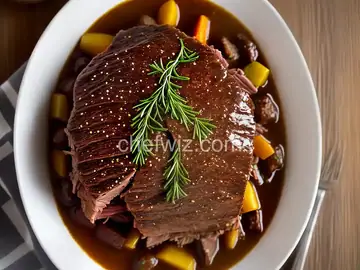
Barbecued Beef
Rate this recipeBe the first to rate
 By AprilPublished
 Who doesn't love the smoky aroma and juicy tenderness of barbecued beef?
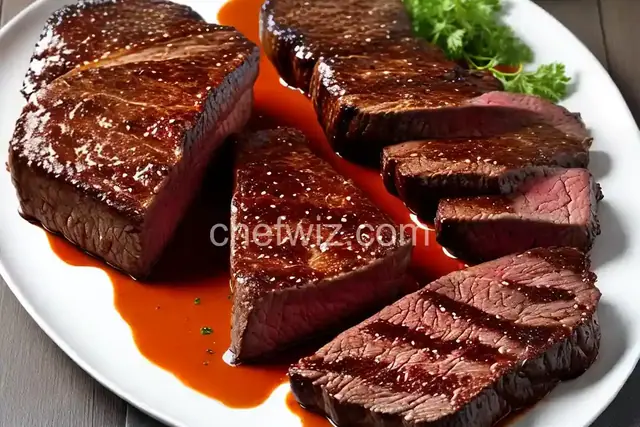 By AprilPublished
 Who doesn't love the smoky aroma and juicy tenderness of barbecued beef?
Mix together ketchup, brown sugar, red wine vinegar, Dijon-style mustard, Worcestershire sauce, and liquid smoke in a bowl.
Add salt, pepper, and garlic powder to the mixture and stir well.
Put the chuck roast into a slow cooker.
Pour the ketchup mixture over the chuck roast.
Cover the slow cooker and set it to cook on Low for 8 to 10 hours.
Take out the chuck roast from the slow cooker and use a fork to shred the meat.
Return the shredded meat back into the slow cooker.
Stir the meat to ensure it is evenly coated with the sauce.
Continue cooking for approximately 1 hour more.
Who doesn't love the smoky aroma and juicy tenderness of barbecued beef? Whether you're a seasoned grill master or a novice backyard cook, this article will walk you through the art of barbecuing beef to perfection. From choosing the right cut of meat to mastering the technique, get ready to impress your family and friends with mouthwatering BBQ.
When it comes to barbecuing beef, choosing the right cut of meat is crucial. Some cuts are better suited for grilling, while others are more suitable for slow cooking. For tender and flavorful barbecued beef, opt for cuts like brisket, short ribs, or flank steak. These cuts have a good amount of fat marbling, which will keep the meat moist and add flavor during the cooking process.
Before you start grilling, it's important to properly prepare the meat. Remove any excess fat or silver skin to prevent flare-ups and ensure even cooking. Season the meat with your favorite rub or marinade, and let it sit for at least an hour to absorb the flavors. This step is crucial for achieving a mouthwatering and well-seasoned barbecued beef.
Barbecuing beef is all about low and slow cooking. Unlike grilling, which uses high heat for quick cooking, barbecuing requires patience. Set up your grill or smoker for indirect heat, and maintain a temperature between 225°F and 275°F. This slow cooking method allows the meat to become tender and develop a rich smoky flavor.
Now that you have the perfect cut of beef and your grill set up, it's time to master the technique. Place the meat on the grill, away from direct heat, and close the lid. Resist the temptation to constantly check or flip the meat. Let it cook undisturbed for the majority of the cooking time to ensure even cooking and maximum tenderness.
Once your barbecued beef reaches the desired internal temperature, remove it from the grill and let it rest for at least 15 minutes. Resting allows the juices to redistribute, resulting in a more tender and flavorful piece of meat. It's a crucial step that should not be overlooked.
Finally, it's time to serve and enjoy your barbecued beef masterpiece. Slice the meat against the grain to ensure maximum tenderness. Serve it with your favorite barbecue sauce, coleslaw, and a side of grilled vegetables. The combination of smoky, tender beef and tangy sauce will have your taste buds dancing with delight.
Barbecued beef is a culinary delight that requires patience, skill, and a love for smoky flavors. By choosing the right cut, mastering the technique, and understanding the importance of resting, you'll be able to create mouthwatering BBQ that will impress even the most discerning taste buds. So fire up your grill, grab your favorite cut of beef, and get ready to embark on a flavorful journey that will leave you craving more.
The cooking time for barbecued beef depends on various factors, including the cut of meat and the cooking temperature. As a general rule, plan for about 1 hour of cooking time per pound of meat.
While you can technically use any cut of beef for barbecuing, some cuts are more suitable than others. Choose cuts with a good amount of fat marbling, as they tend to be more tender and flavorful.
Investing in a good quality meat thermometer is essential for ensuring perfectly cooked barbecued beef. Insert the thermometer into the thickest part of the meat, away from any bones, and make sure it reaches the desired internal temperature.
While barbecuing is traditionally done outdoors, you can still achieve delicious results indoors using a stovetop smoker or an indoor grill. Just make sure to follow the same low and slow cooking method for best results.
To prevent your barbecued beef from drying out, make sure to properly prepare the meat by removing excess fat and silver skin. Additionally, using a water pan in your grill or smoker can help maintain moisture during the cooking process.
Absolutely! Leftover barbecued beef can be used in a variety of dishes, such as tacos, sandwiches, or even added to salads. The smoky flavor of the beef will add an extra dimension to any dish.
Choosing the right wood for smoking beef depends on personal preference. Popular options include hickory, mesquite, and oak, each imparting its own unique flavor. Experiment with different woods to find your favorite.
While purists argue that true barbecue can only be achieved with charcoal or wood, you can still achieve great results using a gas grill. Just make sure to set up your grill for indirect heat and maintain a low and steady temperature.
AprilCook, recipe developer and the heart of Chefwiz. More about April