Barbecue St. Louis Pork Ribs
Rate this recipeBe the first to rate
 By AprilPublished
 There's something about the smoky aroma and tender, juicy meat of barbecue St.
 By AprilPublished
 There's something about the smoky aroma and tender, juicy meat of barbecue St.
Preheat a smoker to 225 degrees F.
In a spice grinder, combine paprika, black peppercorns, coriander seeds, cumin seeds, garlic powder, onion powder, nutmeg, and cayenne. Process until a fine powder forms (about 30 seconds).
Dry the ribs and place them bone-side up. Trim excess fat and adjust the shape for even cooking if necessary. Remove the membrane on the underside of the ribs by gently inserting a rounded utensil, like an upside-down spoon, between the membrane and the meat. Loosen the membrane and carefully pull it down the slab to remove.
Sprinkle salt on both sides of the ribs and brush both sides with mustard. Sprinkle two-thirds of the spice mixture on the meat side of the ribs and the remaining third on the bone side.
Once the smoker reaches 225 degrees F, add the wood chips or chunks and the ribs to the smoker.
Smoke the ribs for 4 to 5 hours, then test for doneness. There are four criteria to check: the internal temperature of the meat should be 185 to 190 degrees F, when picked up from the center with tongs, the ribs should droop into a u-shape and crack slightly, when gently bounced while holding with tongs, the surface of the ribs should crack slightly, and the meat should easily pull off the bone but not fall off. If the ribs pass
There's something about the smoky aroma and tender, juicy meat of barbecue St. Louis pork ribs that can make any carnivore's mouth water. The combination of a flavorful dry rub and slow-cooked perfection creates a dish that is truly irresistible. Whether you're a seasoned pitmaster or a novice griller, this article will guide you through the art of making the perfect St. Louis pork ribs.
When it comes to barbecue ribs, not all cuts are created equal. St. Louis-style ribs are known for their meaty richness and tenderness. These ribs are trimmed from the spare ribs, removing the breastbone and cartilage, resulting in a more uniform and easy-to-cook slab of meat. The trimmed ribs offer a perfect balance of meat and fat, which enhances the flavor and juiciness.
Before you dive into the cooking process, it's essential to prepare the ribs properly. Start by removing the membrane from the bone side of the ribs. This thin, tough layer can hinder the absorption of flavors and make the meat chewy. Gently slide a butter knife under the membrane, then grip it with a paper towel and pull it off in one swift motion.
A dry rub is the secret to infusing the ribs with a burst of mouthwatering flavor. It's a combination of spices and herbs that coat the meat, forming a savory crust. From paprika and brown sugar to garlic powder and cayenne pepper, the options are endless. Experiment with different combinations to find your perfect blend of flavors.
Generously massage the dry rub onto both sides of the ribs, ensuring that every nook and cranny is covered. The rub will create a beautiful crust as the ribs cook, adding depth and complexity to the flavor profile. Allow the ribs to rest in the refrigerator for at least an hour, or overnight if possible. This will allow the flavors to penetrate the meat and create a mouthwatering taste sensation.
Now that your ribs are perfectly seasoned, it's time to fire up the grill or smoker. The key to achieving tender, fall-off-the-bone goodness is cooking the ribs low and slow. This allows the fat to render, the collagen to break down, and the flavors to develop to their fullest potential.
If you're using a grill, set it up for indirect cooking. This means placing the coals on one side and the ribs on the other. Maintain a temperature of around 225°F to 250°F (107°C to 121°C) throughout the cooking process. Remember to add some wood chips or chunks to the coals to infuse the ribs with that smoky flavor we all crave.
Place the ribs bone side down on the grill grates, away from the direct heat. Close the lid and let the magic happen. Resist the temptation to constantly peek and check on the ribs. The slow cooking process requires patience and trust. Let the smoke work its magic, infusing the meat with that irresistible smoky goodness.
After a few hours of tantalizing aroma wafting through the air, it's time to check if the ribs are done. A good indicator is the bend test. When you pick up the ribs with a pair of tongs, they should bend easily and the meat should start to pull away from the bones. Another foolproof method is using a meat thermometer. The ribs are ready when the internal temperature reaches 190°F (88°C).
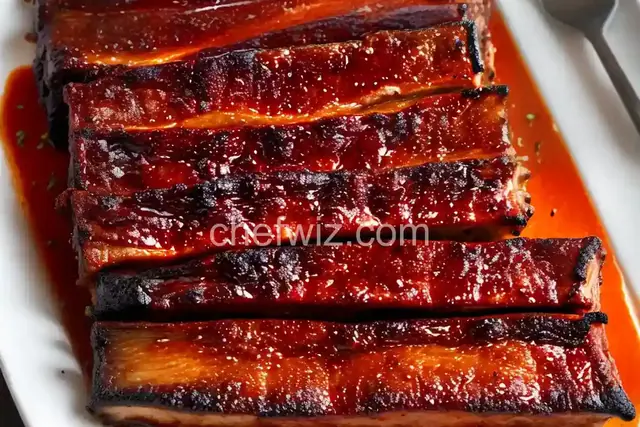
No barbecue St. Louis pork ribs are complete without a mouthwatering glaze. Whether you prefer a tangy tomato-based sauce or a sweet and spicy concoction, brush it on during the final stages of cooking. Allow the glaze to caramelize slightly, creating a sticky, finger-licking coating.
Once the ribs are glazed and cooked to perfection, it's crucial to let them rest for a few minutes before diving in. This allows the juices to redistribute, resulting in a succulent and tender bite. Resting also helps the flavors meld together, ensuring every mouthful is bursting with deliciousness.
Absolutely! While charcoal grills provide that authentic smoky flavor, gas grills can still cook delicious ribs. Just be sure to use wood chips in a smoker box to infuse the ribs with that smoky taste.
The cooking time can vary depending on various factors, such as the temperature and thickness of the ribs. On average, it takes around 5 to 6 hours to achieve that perfect tenderness.
Absolutely! While the grill or smoker provides that authentic barbecue experience, you can still achieve delicious ribs in the oven. Simply set the temperature to 275°F (135°C) and follow the same cooking process.
Removing the membrane allows the flavors to penetrate the meat and ensures a tender bite. While it's not absolutely necessary, it's highly recommended for the best results.
Definitely! The dry rub is a blank canvas for your creativity. Feel free to experiment with different spices and herbs to create a rub that suits your taste buds.
Absolutely! If you find yourself with leftover ribs, wrap them tightly in foil or place them in an airtight container before freezing. They'll make for a delicious meal on a busy day.
While baby back ribs are delicious in their own right, they have a slightly different flavor and texture compared to St. Louis-style ribs. However, the cooking process remains the same, so feel free to use baby back ribs if that's your preference.
Basting is a personal preference. Some pitmasters like to baste their ribs to keep them moist, while others prefer to let the dry rub and smoke work their magic. Experiment to find your preferred method.
AprilCook, recipe developer and the heart of Chefwiz. More about April