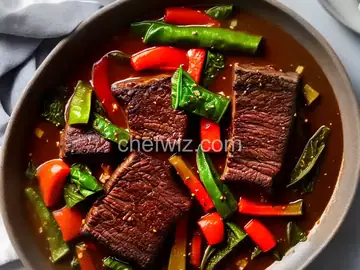
Barbecue Pork Butt
Rate this recipeBe the first to rate
 By AprilPublished
 Are you ready to tantalize your taste buds with the smoky, tender deliciousness of barbecue pork butt?
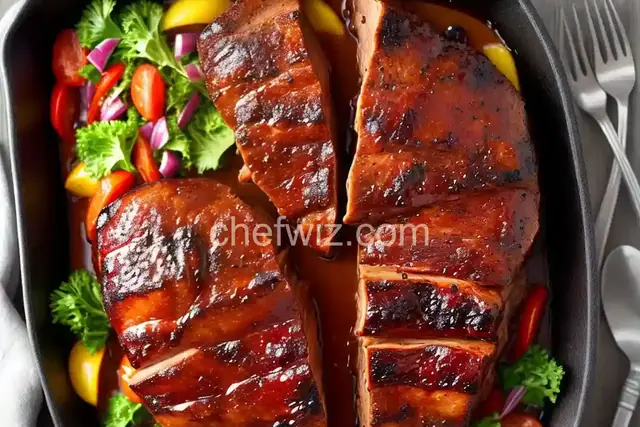 By AprilPublished
 Are you ready to tantalize your taste buds with the smoky, tender deliciousness of barbecue pork butt?
In a large 12-quart container, combine water, salt, and molasses. Stir until the salt dissolves.
Place the pork butt into the brine and make sure it is fully submerged by weighing it down with a zip top bag filled with 2 cups of the brine.
Cover the container and refrigerate overnight.
Remove the pork from the brine and pat it dry.
Preheat the smoker to 225 degrees F. Add the wood chunks.
Place the pork into the smoker and cook until it reaches an internal temperature of 150 degrees F, which should take around 4 to 5 hours.
Once the pork reaches 140 degrees F, preheat the oven to 300 degrees F.
Wrap the pork in aluminum foil and transfer it to a half sheet pan.
Place the pan on the center rack of the oven and cook until the pork reaches an internal temperature of at least 200 degrees F. It should be tender and easily pulling apart, which will take approximately 3 to 5 hours.
Remove the pork from the oven and let it rest, covered, for 30 minutes before serving.
Are you ready to tantalize your taste buds with the smoky, tender deliciousness of barbecue pork butt? Look no further! In this article, we will explore the art of barbecuing pork butt to perfection. Whether you're a seasoned pitmaster or a novice griller, this guide will help you achieve that melt-in-your-mouth goodness that will have your friends and family begging for more.
Before we dive into the nitty-gritty of how to barbecue pork butt, let's first understand what it is. Contrary to its name, pork butt is not actually from the rear of the pig. It is a cut of meat taken from the upper shoulder of the pig. It is also known as pork shoulder or Boston butt. Despite its name, pork butt is incredibly tender and marbled with delicious fat, making it the perfect cut for slow cooking and smoking.
Before you can start barbecuing your pork butt, you need to make sure it is properly prepared. The first step is to trim any excess fat from the surface of the meat. While fat adds flavor, too much can prevent the meat from absorbing the delicious smoke and seasoning. Next, it's time to apply a dry rub to infuse the meat with flavor. A combination of salt, pepper, paprika, garlic powder, and brown sugar works wonders. Allow the rub to sit on the meat for at least an hour, or preferably overnight, to let the flavors penetrate.
When it comes to barbecuing pork butt, the key is to cook it low and slow. This means using indirect heat and maintaining a low temperature for an extended period. The ideal temperature range for smoking pork butt is between 225째F and 250째F. This slow cooking process allows the fat to render, resulting in a juicy, tender, and flavorful end product. Be patient; it will be well worth the wait!
No barbecue is complete without the smoky flavor imparted by wood chips. When it comes to pork butt, hickory and applewood are popular choices. Soak the wood chips in water for at least 30 minutes before placing them on the hot coals or in the smoker box of your grill. As they smolder, they will release fragrant smoke that will infuse the meat with a mouthwatering aroma.
During the cooking process, you may encounter what is known as "the stall." This is when the internal temperature of the pork butt plateaus for a period, usually around 160째F. Don't panic! This is a normal occurrence as the collagen in the meat begins to break down. It can last for several hours, but be patient and resist the temptation to crank up the heat. The stall will eventually pass, and the internal temperature will begin to rise again.
One point of contention among pitmasters is whether to wrap the pork butt in foil during the cooking process. Wrapping, also known as the Texas crutch, can help speed up the cooking time and keep the meat moist. However, it can also soften the bark, the flavorful crust that forms on the outside of the meat. Ultimately, it comes down to personal preference. If you prefer a softer bark, wrap the pork butt in foil. If you want a firmer bark, leave it unwrapped.
Once the internal temperature of the pork butt reaches 195째F, it's time to remove it from the heat. But don't dig in just yet! Allow the meat to rest for at least an hour to allow the juices to redistribute and the flavors to fully develop. After resting, it's time to pull the pork. Using two forks or your hands, shred the meat into tender, succulent pieces. It's now ready to be devoured!
On average, it takes around 1.5 to 2 hours per pound to barbecue a pork butt. So, a 8-pound pork butt will take approximately 12 to 16 hours.
Absolutely! While a smoker imparts a more intense smoky flavor, you can still achieve delicious results using a gas grill. Simply set it up for indirect heat and follow the same temperature and cooking time guidelines.
Yes! Barbecue pork butt freezes exceptionally well. Once cooled, pack it into airtight containers or freezer bags, and it will stay delicious for up to three months. Just be sure to thaw it properly before reheating.
The possibilities are endless! Classic barbecue sauce, tangy Carolina-style vinegar sauce, or zesty mustard-based sauce all complement the rich flavors of barbecue pork butt. Feel free to experiment and find your favorite combination.
Absolutely! In fact, many pitmasters believe that the bone adds additional flavor to the meat. Just make sure to adjust the cooking time accordingly, as bone-in cuts may take slightly longer to cook.
While pork butt is the traditional choice for barbecuing, other cuts such as pork loin or pork tenderloin can also be used. However, keep in mind that these leaner cuts may require shorter cooking times and extra care to prevent them from drying out.
Certainly! While a dry rub is the traditional choice for barbecue pork butt, you can also marinate the meat in your favorite marinade for a few hours or overnight. Just make sure to pat the meat dry before applying any rub or seasoning.
Absolutely! If you're cooking for a smaller crowd, you can adjust
AprilCook, recipe developer and the heart of Chefwiz. More about April