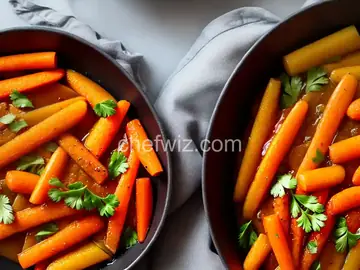
Balsamic Glazed Carrots
Rate this recipeBe the first to rate
 By AprilPublished
 Carrots, the vibrant orange root vegetables, are not only delicious but also packed with essential nutrients.
 By AprilPublished
 Carrots, the vibrant orange root vegetables, are not only delicious but also packed with essential nutrients.
Begin by heating oil in a skillet on medium-high heat.
Saute the carrots in the heated oil for approximately 10 minutes or until they become tender.
Next, add and stir in the balsamic vinegar and brown sugar, ensuring that the carrots are thoroughly coated.
Serve the dish once all the ingredients are mixed together.
Carrots, the vibrant orange root vegetables, are not only delicious but also packed with essential nutrients. They can be prepared in various ways, and one particularly delightful method is to make balsamic glazed carrots. The combination of the sweet and tangy balsamic glaze with the natural sweetness of the carrots creates a mouthwatering dish that is sure to impress. In this article, we will explore the art of making balsamic glazed carrots and discover some tips and tricks to enhance the flavors.
Imagine tender carrots coated in a glossy, flavorful glaze that adds a burst of tanginess to each bite. Balsamic glazed carrots are the perfect side dish to complement a variety of main courses. The rich and complex flavors of balsamic vinegar elevate the humble carrot to a whole new level. Whether you are hosting a dinner party or simply want to elevate your weeknight meals, balsamic glazed carrots are a delightful addition to any menu.
Making balsamic glazed carrots is a simple and straightforward process. Start by washing and peeling the carrots, then cut them into uniform slices or sticks. Heat a skillet over medium heat and add a drizzle of olive oil. Once the oil is hot, add the carrots and sauté them for a few minutes until they start to soften.
Next, it's time to add the star of the show - balsamic vinegar. Pour in a generous amount of balsamic vinegar, enough to coat the carrots. Stir the carrots well to evenly distribute the glaze. Reduce the heat to low and let the carrots simmer in the balsamic glaze for a few more minutes, allowing the flavors to meld together.
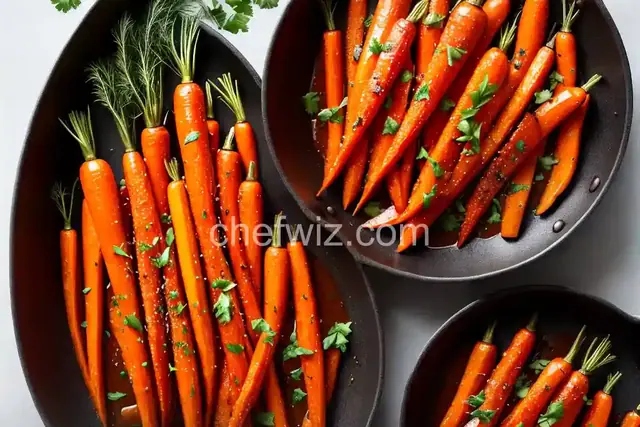
Finally, season the carrots with salt and pepper to taste. The glaze will have reduced and thickened, creating a sticky coating that clings to each carrot. Transfer the glazed carrots to a serving dish and garnish with fresh herbs for an extra pop of flavor and visual appeal.
To make the best balsamic glazed carrots, here are some tips and tricks to keep in mind:
Balsamic glazed carrots are a delightful side dish that adds elegance and flavor to any meal. The combination of sweet and tangy flavors creates a harmonious balance that is sure to please your taste buds. With just a few simple steps, you can transform ordinary carrots into a gourmet treat. So why wait? Give balsamic glazed carrots a try and elevate your culinary repertoire!
Yes, baby carrots can be used to make balsamic glazed carrots. Just make sure to adjust the cooking time accordingly as baby carrots tend to cook faster.
Balsamic glaze pairs well with a variety of vegetables, such as Brussels sprouts, asparagus, and beets. Feel free to experiment and discover your favorite combinations.
Yes, you can make balsamic glazed carrots ahead of time. Simply store them in an airtight container in the refrigerator and reheat before serving.
Yes, balsamic glazed carrots are vegetarian and vegan-friendly. They make a great option for those following a plant-based diet.
While balsamic vinegar provides a unique flavor profile, you can experiment with other vinegars like red wine vinegar or apple cider vinegar for a different taste experience.
Absolutely! Adding toasted nuts or seeds, such as almonds or sesame seeds, can add a delightful crunch and extra texture to the glazed carrots.
Yes, you can make balsamic glazed carrots in the oven. Toss the carrots with balsamic vinegar, olive oil, and seasonings, then spread them on a baking sheet and roast at a high temperature until tender.
While balsamic glazed carrots are typically served warm, you can also enjoy them cold as part of a refreshing salad or snack.
AprilCook, recipe developer and the heart of Chefwiz. More about April