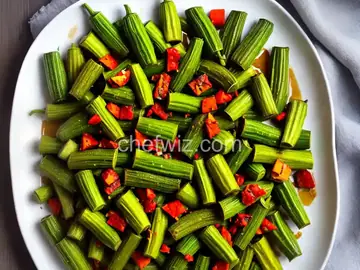
Baked Rutabaga Casserole
Rate this recipeBe the first to rate
 By AprilPublished
 Are you tired of the same old side dishes at your dinner table?
 By AprilPublished
 Are you tired of the same old side dishes at your dinner table?
Preheat the oven to 375 degrees F (190 degrees C).
In a large pot, bring salted water to a boil over high heat. Add rutabagas and cook until tender, around 15 minutes.
In a bowl, whisk or blend the egg whites until thick and frothy.
Drain the water from the rutabagas and mash them using a potato masher. Add the hot butter and mix well until it melts and is evenly distributed. Then, stir in the egg yolks, green onion, dill, paprika, garlic powder, salt, and black pepper. Lastly, fold in the thickened egg whites until fully combined.
Pour the mixture into a 9-inch ceramic or Pyrex® casserole dish that is approximately 1 1/2-inch deep.
In a food processor, combine the croutons and almonds until crumbly. Sprinkle this mixture over the top of the casserole.
Bake in the preheated oven for 25 to 30 minutes, or until the casserole is browned and bubbly.
If you double the recipe and the casserole is thicker, you may need to bake it for 40 minutes.
Are you tired of the same old side dishes at your dinner table? Looking for a healthy and flavorful alternative to potatoes or rice? Look no further than a baked rutabaga casserole! This underrated root vegetable is not only delicious but also packed with nutrients. In this article, we will explore the wonders of rutabaga and how to create a mouthwatering casserole that will impress your family and friends.
Before we dive into the recipe, let's take a moment to appreciate the humble rutabaga. This root vegetable, also known as a swede, is a cross between a turnip and a cabbage. It has a slightly sweet and nutty flavor, making it a versatile ingredient in a variety of dishes.
Rutabaga is not only delicious but also highly nutritious. It is low in calories and packed with fiber, vitamin C, potassium, and antioxidants. Incorporating rutabaga into your diet can boost your immune system, improve digestion, and support heart health. Plus, it's a great option for those following a low-carb or gluten-free diet.
Now that we understand the benefits of rutabaga, let's dive into creating the perfect baked rutabaga casserole. The key to a successful casserole is to combine complementary flavors and textures. Think creamy, cheesy, and crunchy all in one bite!
Start by peeling and slicing the rutabaga into thin rounds. Layer these slices in a baking dish, alternating with a creamy sauce made from milk, cheese, and spices. Top it off with a generous sprinkle of breadcrumbs for that delightful crunch. Pop it in the oven, and in no time, you'll have a golden-brown casserole that will make your taste buds dance with joy.
While a classic rutabaga casserole is already a winner, why not add a twist to make it even more special? Here are some ideas to jazz up your casserole:
The possibilities are endless, so don't be afraid to get creative and make the recipe your own!
A baked rutabaga casserole is a delightful and nutritious dish that deserves a place on your dinner table. It's a great way to introduce a new vegetable to your family and friends while adding variety to your meals. So why not give it a try? With its delicious flavors and health benefits, this casserole is sure to become a new favorite in your household.
Yes, you can definitely make a rutabaga casserole ahead of time and reheat it. Simply cover the casserole dish with foil and refrigerate. When ready to serve, remove the foil and bake in the oven at 350째F (175째C) until heated through.
Yes, you can freeze a baked rutabaga casserole. Once the casserole has cooled, transfer it to an airtight container or freezer-safe bag. It can be stored in the freezer for up to three months. To reheat, thaw the casserole overnight in the refrigerator and bake until heated through.
While rutabaga is the star of this casserole, you can certainly substitute it with other root vegetables, such as turnips or parsnips. Keep in mind that the flavor and texture may vary slightly, but it will still be delicious.
Absolutely! To make a vegan version of the rutabaga casserole, use plant-based milk and vegan cheese in the creamy sauce. You can also substitute the breadcrumbs with crushed nuts or seeds for a crunchy topping.
Yes, you can add cooked bacon, ham, or even diced chicken to the rutabaga casserole for added protein and flavor. Simply mix it in with the creamy sauce before layering it in the baking dish.
While fresh rutabaga is recommended for the best flavor and texture, you can use frozen rutabaga if fresh is not available. Just make sure to thaw and drain the frozen rutabaga before using it in the casserole.
A rutabaga casserole typically takes about 45 minutes to an hour to bake at 350째F (175째C). The exact time may vary depending on the thickness of the rutabaga slices and your oven's temperature.
While the rutabaga casserole is often served as a side dish, you can certainly enjoy it as a main dish. Pair it with a fresh salad or roasted vegetables for a satisfying meal.
AprilCook, recipe developer and the heart of Chefwiz. More about April