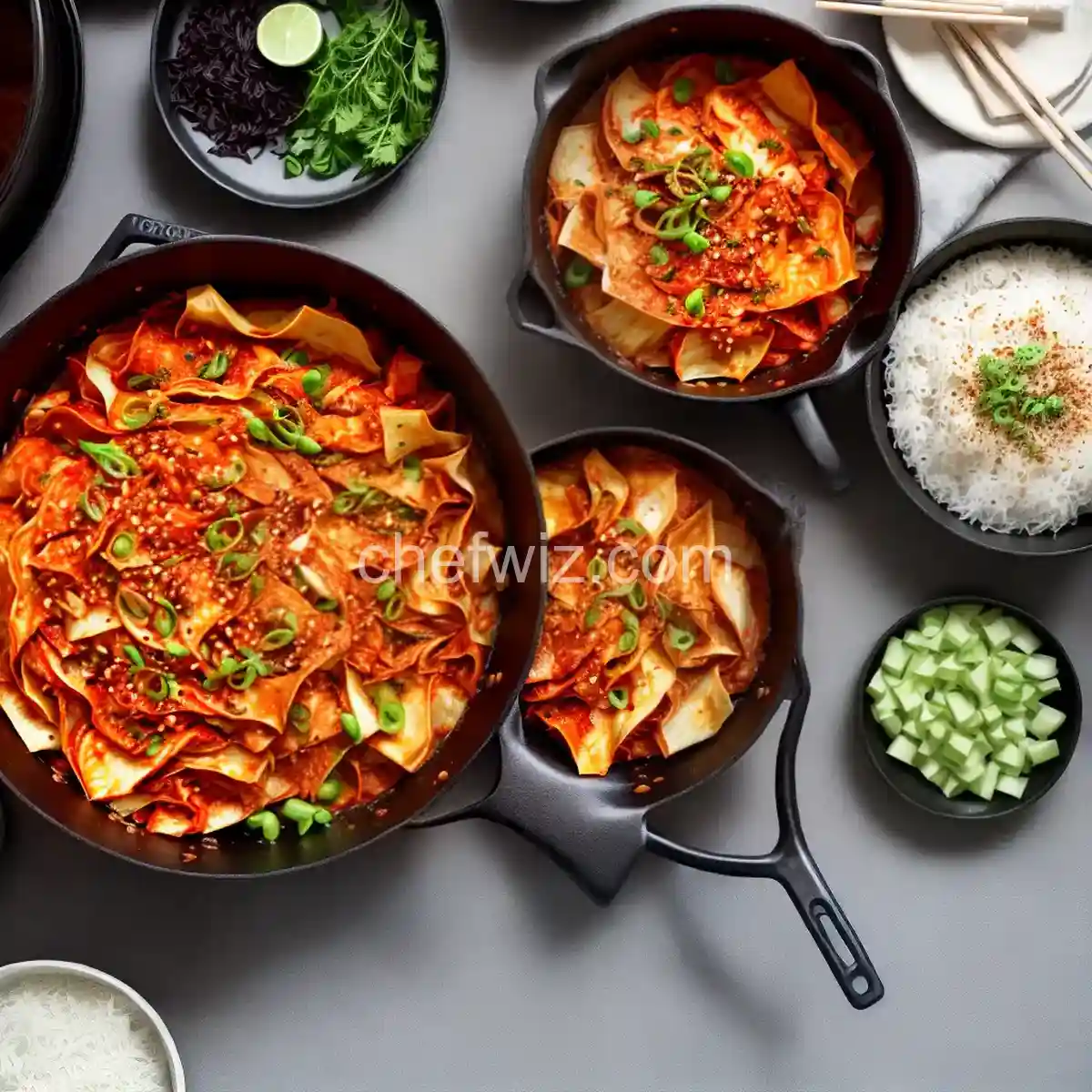
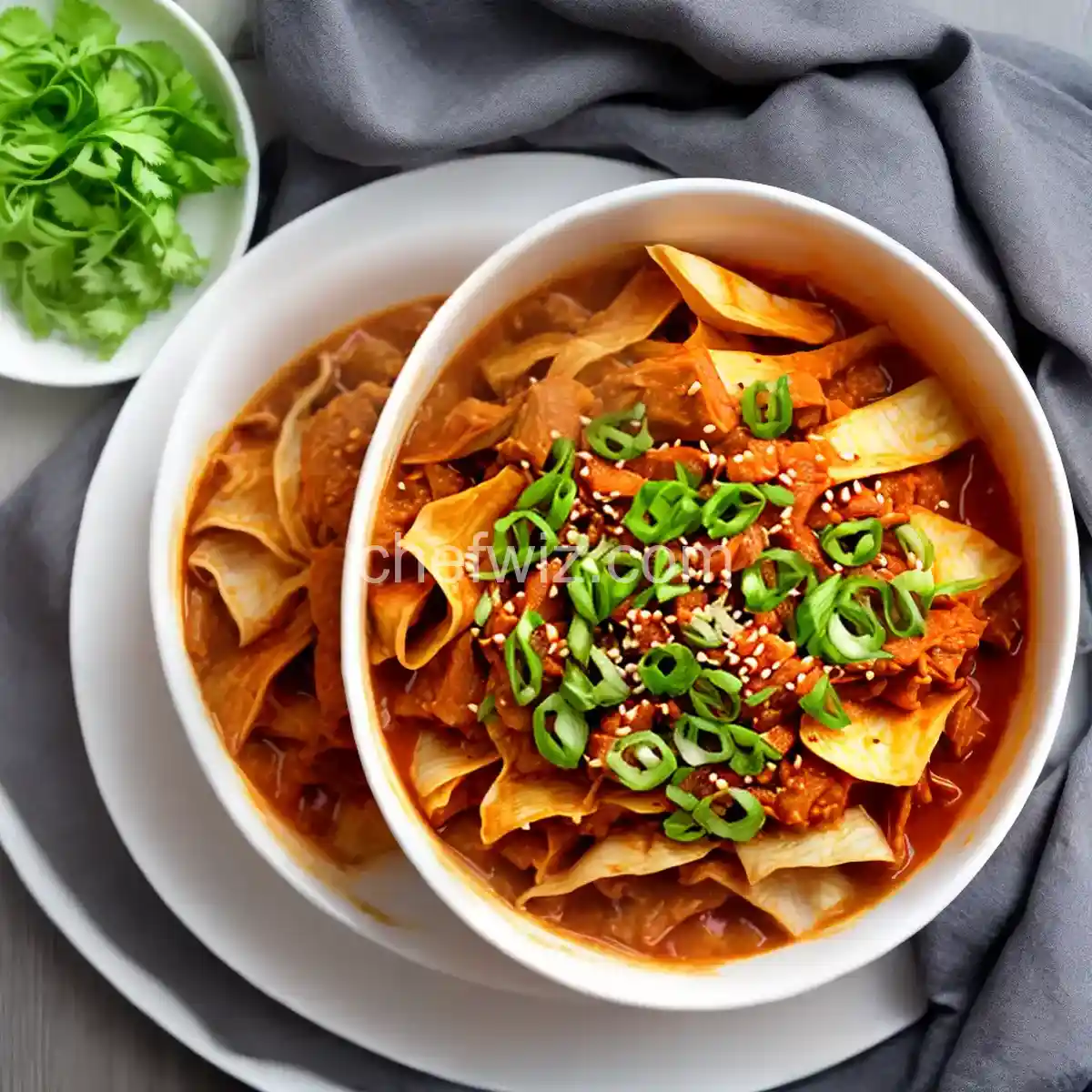

Baek Kimchi (White Kimchi)
Are you tired of the usual red, spicy kimchi? Do you crave a milder, more refreshing version? Look no further than Baek Kimchi, also known as White Kimchi. This delightful variation of the traditional Korean dish offers a unique and tantalizing flavor that will leave you craving for more.
What Makes Baek Kimchi Different?
Baek Kimchi stands out from its red counterpart due to its lack of chili pepper flakes. Instead of the fiery heat usually associated with kimchi, Baek Kimchi offers a cool and gentle taste. It’s like the difference between a blazing hot summer day and a refreshing dip in a cool pool.
But don’t worry, Baek Kimchi still maintains that signature tangy and fermented flavor that makes kimchi so popular. It’s a harmonious combination of crisp vegetables, subtle sweetness, and just the right amount of tanginess.
The Ingredients
Creating Baek Kimchi requires a selection of fresh and vibrant vegetables. Think of it as an orchestra of flavors, with each ingredient playing its part to create a symphony of taste in your mouth. Cabbage, radishes, carrots, and cucumbers are the stars of this culinary masterpiece, complemented by a medley of other ingredients.
Just like a conductor guiding the musicians, the seasonings bring everything together in perfect harmony. Garlic, ginger, salt, and a touch of sweetness are combined to create a flavor profile that dances on your taste buds.
The Art of Making Baek Kimchi
Creating Baek Kimchi is a labor of love. It requires patience, attention to detail, and a deep understanding of the fermentation process. The vegetables are carefully prepared, sliced, and salted to draw out excess moisture.
Next, the seasonings are mixed together to create a flavorful paste. This paste is then generously spread onto the vegetables, ensuring that every bite is bursting with flavor. Finally, the kimchi is left to ferment, allowing the flavors to develop and mature.
Just like a fine wine, Baek Kimchi gets better with age. As it ferments, the flavors intensify, resulting in a complex and satisfying taste. It’s like opening a treasure chest of flavors with every bite.
Serving and Pairing Baek Kimchi
Baek Kimchi is incredibly versatile and can be enjoyed in various ways. It can be served as a side dish, accompanying your favorite Korean meal. Its mild flavor makes it a perfect complement to rich and spicy dishes, providing a refreshing contrast that balances the flavors.
But Baek Kimchi doesn’t stop there. It can also be used as an ingredient in other dishes, adding a unique twist to your culinary creations. From salads to stir-fries, Baek Kimchi elevates any recipe to new heights.
Pairing Baek Kimchi with other ingredients is like finding the perfect dance partner. The subtle sweetness of the kimchi pairs beautifully with savory meats, creating a delightful balance of flavors. It’s a culinary tango that will make your taste buds dance with joy.
In Conclusion
Baek Kimchi is a breath of fresh air in the world of kimchi. Its mild and refreshing taste offers a unique twist on the traditional dish, while still maintaining that signature kimchi flavor. Whether enjoyed as a side dish or used as an ingredient, Baek Kimchi is a culinary adventure that should not be missed.
Frequently Asked Questions (FAQs)
Q: Can Baek Kimchi be made spicy?
A: Baek Kimchi is traditionally a non-spicy kimchi. However, if you prefer a hint of spice, you can add a small amount of chili flakes to the recipe.
Q: How long does Baek Kimchi need to ferment?
A: Baek Kimchi usually ferments for about 2 to 3 days at room temperature. However, the fermentation time can vary depending on factors such as temperature and personal preference.
Q: Can I use different vegetables in Baek Kimchi?
A: Absolutely! While the traditional recipe calls for cabbage, radishes, carrots, and cucumbers, you can experiment with other vegetables to create your own unique version of Baek Kimchi.
Q: Is Baek Kimchi suitable for vegetarians and vegans?
A: Yes, Baek Kimchi is a vegetarian and vegan-friendly dish. It is made using only plant-based ingredients.
Q: Can I store Baek Kimchi in the refrigerator?
A: Yes, once Baek Kimchi has reached your desired level of fermentation, you can store it in the refrigerator to slow down the fermentation process. This will help preserve the flavors and extend its shelf life.
Q: Can Baek Kimchi be frozen?
A: It is not recommended to freeze Baek Kimchi as freezing can alter the texture and affect the overall quality of the dish.
Q: Can Baek Kimchi be made gluten-free?
A: Yes, Baek Kimchi can be made gluten-free by using gluten-free soy sauce or tamari in the recipe.
Q: How long does Baek Kimchi stay fresh?
A: Baek Kimchi can stay fresh for several weeks when stored properly in the refrigerator. However, the flavors will continue to develop and change over time.
Baek Kimchi (White Kimchi)
- 1 napa cabbage (, whole)
- 3 tbsp salt
- Sufficient amount of water for covering
- 1 cup water
- 1 cup thinly grated daikon radish (white radish)
- 2 green onions (, thinly sliced diagonally)
- 4 cloves garlic (, minced)
- 2 slices fresh ginger
- 1 tsp white sugar
- 1 tsp salt
- 1 tsp white vinegar
- 3 pinches dried Korean red pepper threads
- Cut the cabbage lengthwise into quarters, ensuring that the leaves remain attached to the core.
- Rinse the cabbage with cold water and generously sprinkle 3 tablespoons of salt between the leaves.
- Place the cabbage in a large bowl and add enough water to cover it. Let it sit until the leaves become soft, which usually takes around 4 to 5 hours.
- Rinse the salted cabbage 3 or 4 times with cold water, then drain it in a colander for approximately 20 minutes.
- In a separate bowl, combine 1 cup of water, radish, green onions, garlic, ginger, sugar, 1 teaspoon of salt, vinegar, and red pepper threads to create a radish mixture.
- Sprinkle the radish mixture between all the cabbage leaves, excluding the large outer leaf of each quarter. Remember to save the liquid from the radish mixture.
- Peel back the large outer leaf of each cabbage quarter, but keep it attached to the core. Fold the inner leaves in half and wrap the outer leaf around them.
- Pack the cabbage quarters tightly into a clean 1/2-gallon jar and pour in the liquid that was reserved from the radish mixture. Seal the jars and let them sit at room temperature for 1 day.
- After 1 day, slice the wrapped cabbage quarters into pieces that are approximately 1 1/2 inches in size.
- Please note
Related Recipes:
 Does Kimchi Go Bad? Tips for Storage and Shelf Life.
 Does Kimchi Go Bad? Tips for Storage and Shelf Life
 How to Make Kimchi? (Perfect Every Time!)
Baek Kimchi (White Kimchi)
How to Make Kimchi? (Perfect Every Time!)
Baek Kimchi (White Kimchi)
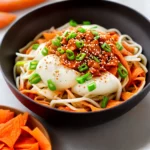 Baek Kimchi (Korean White Non-Spicy Kimchi)
How to Cut Cabbage for Different Recipes
Baek Kimchi (Korean White Non-Spicy Kimchi)
How to Cut Cabbage for Different Recipes
 How to Cut Cabbage for Different Recipes
How to Freeze Cabbage: A Quick and Easy Guide
How to Cut Cabbage for Different Recipes
How to Freeze Cabbage: A Quick and Easy Guide
 How to Freeze Cabbage: A Quick and Easy Guide
 Yeolmu Kimchi (Quick-Fermented Young Radish Greens) Recipe