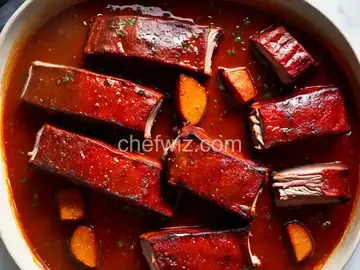
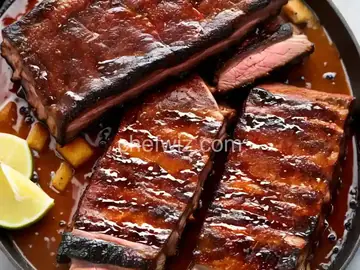
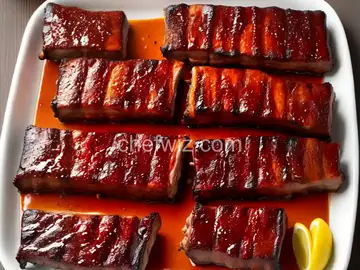
Baby Back Ribs
Rate this recipeBe the first to rate
 By AprilPublished
 Are you ready to embark on a mouthwatering journey that will leave your taste buds begging for more?
 By AprilPublished
 Are you ready to embark on a mouthwatering journey that will leave your taste buds begging for more?
Divide the ribs into 4 equal portions.
Prepare 4 sheets of aluminum foil, making sure they are large enough to wrap each portion of ribs. Apply cooking spray to grease each piece of foil.
Generously brush the ribs with barbecue sauce. Place each portion of ribs on a sheet of foil. Wrap the foil tightly around the ribs and refrigerate for 8 hours or overnight.
Preheat the oven to 300 degrees F (150 degrees C).
Bake the ribs, wrapped tightly in foil, in the preheated oven for 2 1/2 hours.
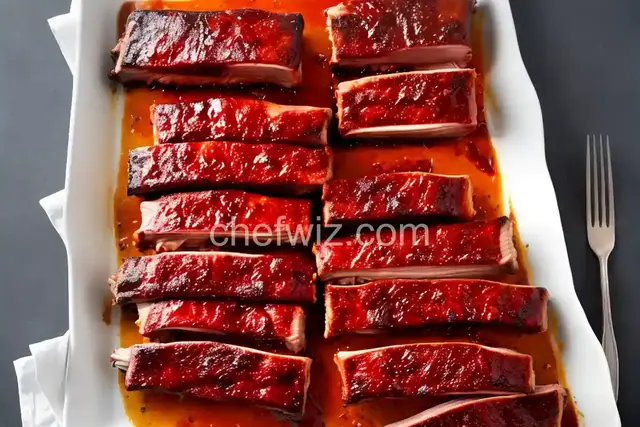
Remove the ribs from the foil and serve with additional sauce, if desired.
Are you ready to embark on a mouthwatering journey that will leave your taste buds begging for more? Look no further than the succulent world of baby back ribs. These tender, fall-off-the-bone delights are the epitome of barbecue heaven. Whether you're a seasoned grill master or a novice in the world of smoking meats, this article will provide you with all the tips, tricks, and tantalizing tidbits you need to create the perfect rack of baby back ribs.
Before we dive into the art of cooking baby back ribs, let's take a moment to appreciate their anatomy. These delectable cuts are taken from the top of the ribcage, near the spine. They are shorter and more curved than spare ribs, making them ideal for grilling or smoking. The meat is tender and marbled with just the right amount of fat, ensuring a juicy and flavorful eating experience.
Now that you understand the beauty of baby back ribs, it's time to prepare them for their transformation into barbecue perfection. Start by removing the membrane from the bone side of the ribs. This will allow the flavors to penetrate the meat and ensure a tender bite. Next, create a dry rub using a blend of your favorite spices and seasonings. Massage the rub into the meat, covering every nook and cranny for maximum flavor.
When it comes to cooking baby back ribs, there are two main methods to choose from: smoking and grilling. Smoking involves slow-cooking the ribs over indirect heat, allowing the smoky flavors to infuse the meat. On the other hand, grilling involves direct heat and shorter cooking times. Both methods have their merits, so it ultimately comes down to personal preference. Are you in the mood for a smoky, melt-in-your-mouth experience or a slightly charred, caramelized delight?
Regardless of whether you choose to smoke or grill your baby back ribs, one thing remains constant: the importance of low and slow cooking. This method ensures that the meat becomes tender and flavorful, allowing the collagen to break down and the flavors to meld together. It's a process that requires patience, but the end result is well worth the wait.
Now that your baby back ribs are cooked to perfection, the final decision is whether to slather them in sauce or let the natural flavors shine through. Some prefer a tangy, sweet barbecue sauce, while others enjoy the pure taste of the meat. Whichever you choose, make sure to brush the sauce on during the last few minutes of cooking to prevent burning and achieve that irresistible glaze.
Now armed with the knowledge of how to create the perfect rack of baby back ribs, it's time to fire up the grill or smoker and get cooking. Whether you choose to smoke them low and slow or give them a quick char on the grill, these succulent ribs are sure to be a hit at your next barbecue gathering. So gather your friends and family, grab a cold beverage, and get ready to savor the finger-licking goodness of baby back ribs.
While spare ribs can be substituted for baby back ribs, they have a higher fat content and require a longer cooking time. This can result in a greasier texture and less tender meat. If you're looking for the ultimate rib experience, stick with baby back ribs.
Marinating baby back ribs is optional but highly recommended for enhancing flavor. Ideally, marinate the ribs for at least 4 hours or overnight to allow the flavors to penetrate the meat.
When it comes to smoking, the choice of wood can greatly impact the flavor of your ribs. For a classic smoky taste, try using hickory or mesquite wood. If you prefer a milder flavor, fruit woods like apple or cherry are excellent options.
The best way to determine if your baby back ribs are done is by using the "bend test." Grab the rack with tongs and gently lift it, letting it bend slightly. If the meat starts to crack and pull away from the bone, it's a sign that they are perfectly cooked and ready to be devoured.
Absolutely! If you have any leftover baby back ribs, let them cool completely before storing them in an airtight container or freezer bag. They can be frozen for up to three months. Simply thaw and reheat when you're ready to indulge in barbecue bliss once again.
When it comes to side dishes, the possibilities are endless. Classic options include coleslaw, cornbread, baked beans, and potato salad. For a fresh and light accompaniment, a crisp summer salad or grilled vegetables are delightful choices.
Absolutely! While purists may argue that charcoal grills impart a smokier flavor, a gas grill can still produce delicious baby back ribs. Simply preheat the grill, set it to indirect heat, and follow the cooking instructions accordingly.
The key to preventing dry ribs is maintaining a consistent temperature and using a cooking method that retains moisture. This can be achieved by wrapping the ribs in foil or using a water pan in your smoker to create a moist cooking environment.
AprilCook, recipe developer and the heart of Chefwiz. More about April