Baba Ganoush
Rate this recipeBe the first to rate
 By AprilPublished
Imagine taking a bite of a rich and creamy dip that instantly transports your taste buds to the vibrant streets of the Middle East.
 By AprilPublished
Imagine taking a bite of a rich and creamy dip that instantly transports your taste buds to the vibrant streets of the Middle East.
Preheat the oven to 400°F.
Wrap the eggplant in foil.
Roast the eggplant in the oven for 50 to 60 minutes or until it becomes soft and collapses when touched.
Remove the roasted eggplant from the oven and set it aside.
Once the eggplant is cool enough to handle, peel off the skin, making sure to remove any large clumps of seeds.
Place the peeled eggplant flesh in a strainer that is set over a bowl.
Let the eggplant flesh stand in the strainer for 20 minutes to drain excess water.
In a food processor, combine the drained eggplant flesh, tahini, lemon juice, olive oil, garlic, and salt.
Pulse the ingredients in the food processor until they become smooth.
Transfer the mixture from the food processor to a serving dish.
Sprinkle chopped parsley, smoked paprika, and red pepper flakes (if desired) over the eggplant mixture in the serving dish.
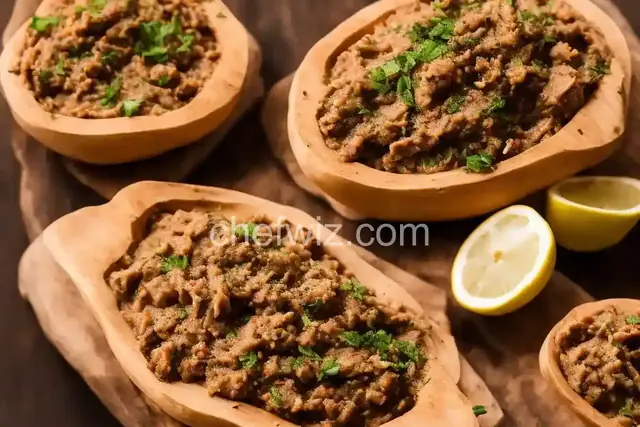
Serve the eggplant dip with pita bread and vegetables.
Imagine taking a bite of a rich and creamy dip that instantly transports your taste buds to the vibrant streets of the Middle East. That's the magic of Baba Ganoush, a traditional dish that has gained popularity worldwide. In this article, we will delve into the fascinating history behind this mouthwatering delight, its ingredients, and the secrets for preparing the perfect Baba Ganoush.
Like a captivating story, every dish has its own origins. Baba Ganoush, also known as Moutabal, traces its roots back to the Middle East, specifically Lebanon. The name "Baba Ganoush" translates to "pampered father" in Arabic, and it reflects the care and attention put into preparing this delectable dish.
At the heart of every dish lies its ingredients, and Baba Ganoush is no exception. The star of this dip is the humble eggplant, which is roasted, mashed, and combined with other essential components. The smoky flavor of the roasted eggplant blends harmoniously with tahini, a sesame seed paste, giving Baba Ganoush its creamy texture and nutty undertones. The dip is then enhanced with a squeeze of lemon juice, garlic, and a drizzle of olive oil, creating a delightful symphony of flavors.
Roasting the eggplant is a crucial step in making Baba Ganoush. It not only softens the flesh but also infuses it with a smoky flavor that adds depth to the dip. Just like a phoenix rising from the ashes, the charred skin is peeled away, revealing the tender, smoky eggplant within. This roasting process transforms the eggplant, elevating it from a simple vegetable to the star ingredient of Baba Ganoush.
Preparing Baba Ganoush is an art that requires patience and attention to detail. The eggplant must be roasted to perfection, ensuring a balance between tenderness and smokiness. The tahini should be diligently stirred until smooth, blending seamlessly with the other ingredients. The garlic should be minced finely, releasing its aromatic essence without overpowering the dip. And finally, the lemon juice and olive oil should be added gradually, allowing the flavors to meld together harmoniously.
Baba Ganoush is not just a dip; it is a versatile delicacy that can be enjoyed in various ways. Spread it on a warm pita bread or serve it alongside a platter of fresh vegetables. Use it as a sandwich spread or as a flavorful accompaniment to grilled meats. The possibilities are endless, and Baba Ganoush never fails to add a touch of Middle Eastern charm to any dish it graces.
As you dip your first pita bread into the velvety sea of Baba Ganoush, you embark on a culinary journey that transcends borders. The flavors of the Middle East dance on your palate, each bite unveiling a new layer of complexity. The creamy texture, the smoky undertones, and the nutty essence of tahini create a symphony of flavors that will leave you craving for more.
In conclusion, Baba Ganoush is a culinary gem that takes you on a sensory adventure. Its rich history, simple yet exquisite ingredients, and versatile nature make it a favorite among food enthusiasts worldwide. So, why not indulge in this creamy delight and experience the magic of Baba Ganoush for yourself?
Yes, Baba Ganoush is a healthy choice as it is low in calories and rich in vitamins and minerals.
While tahini is the traditional ingredient, you can experiment with alternatives like Greek yogurt or almond butter for a unique twist.
Baba Ganoush can be refrigerated for up to five days, ensuring you can enjoy its creamy goodness for multiple meals.
Yes, Baba Ganoush can be frozen for future use. However, the texture may slightly change after thawing.
Absolutely! Baba Ganoush is a vegan-friendly dish that is free from any animal products.
Some popular variations include adding roasted peppers, grilled zucchini, or even pomegranate seeds for a burst of freshness.
While roasting the eggplant adds a distinct flavor, you can boil or steam it as an alternative method.
Yes, Baba Ganoush is gluten-free, making it suitable for those with gluten sensitivities or celiac disease.
Absolutely! Feel free to adjust the amount of garlic and lemon juice according to your personal taste preferences.
AprilCook, recipe developer and the heart of Chefwiz. More about April