Authentic Indian Vegetarian Samosas
Rate this recipeBe the first to rate
 By AprilPublished
 Have you ever tasted the crispy, golden goodness of an authentic Indian vegetarian samosa?
 By AprilPublished
 Have you ever tasted the crispy, golden goodness of an authentic Indian vegetarian samosa?
In a large pot, place the potatoes and cover them with salted water. Bring the water to a boil.
Reduce the heat to medium-low and let the potatoes simmer for about 20 minutes, or until they are tender.
Drain the potatoes and return them to the pot. Mash the potatoes.
In a large bowl, combine the mashed potatoes, peas, raisins, green chile, garam masala, ginger, chile powder, and salt. Mix well to create the filling. Set the filling aside.
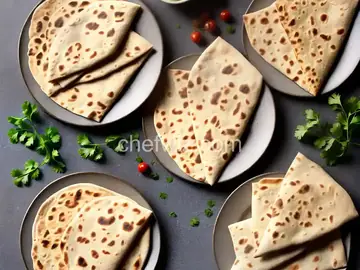
On a flat surface, combine the flour, oil, cinnamon, and salt. Knead the mixture together until well combined.
Slowly add a small amount of water at a time to the dough, kneading it in. Add just enough water to create a soft and pliable dough that is even in color.
Divide the dough into four equal balls. Roll each ball into a thin circle and cut it in half.
Place the half-circles of dough into an airtight container.
Take one half-circle of dough and place it on a flat surface with the straight edge facing you and the rounded side facing away.
In a bowl, pour a small amount of water. Dip your finger in the water and lightly moisten the right side of the rounded edge of the dough.
Fold the wet edge over the left rounded side to create a cone shape. Press
Have you ever tasted the crispy, golden goodness of an authentic Indian vegetarian samosa? If not, you're missing out on a delectable treat that will transport your taste buds to the streets of India. These savory pastries, filled with a flavorful mixture of vegetables and spices, are a popular snack and appetizer in Indian cuisine. In this article, we will explore the history of samosas, the ingredients used to make them, and why they are loved by people all over the world.
The origins of samosas can be traced back to the Middle East, where they were introduced by traders from Central Asia. Over time, they made their way to the Indian subcontinent and became a beloved part of Indian cuisine. Today, samosas are a staple in Indian households and are also enjoyed in various other countries, thanks to their irresistible taste and versatility.
What makes samosas so special is the perfect blend of ingredients used in their filling. The traditional vegetarian filling typically consists of potatoes, peas, onions, and a medley of spices. These spices, such as cumin, coriander, turmeric, and garam masala, give the filling its aromatic and flavorful profile. The combination of textures and flavors in the filling is what makes samosas truly irresistible.
Another aspect that sets samosas apart is their unique triangular shape. The dough used to encase the filling is made from a mixture of all-purpose flour, oil, and water. The dough is rolled out into thin circles, and then cut into halves. Each half is then folded and sealed to create a cone shape. The filling is spooned into the cone, and the remaining edge is sealed to form the iconic triangular samosa shape.
To achieve that crispy, golden crust, samosas are deep-fried until they turn a beautiful shade of golden brown. The high heat of the oil ensures that the dough becomes wonderfully crisp, while the filling inside remains moist and flavorful. The result is a samosa that is both crunchy on the outside and bursting with flavor on the inside.
Samosas have gained popularity all over the world due to their incredible taste and versatility. Whether you enjoy them as a snack, an appetizer, or even a main course, samosas never fail to satisfy. Their combination of flavors and textures, coupled with the familiar comfort of Indian spices, make them a favorite among people of all ages and backgrounds.
In conclusion, authentic Indian vegetarian samosas are a culinary delight that should not be missed. From their origins in the Middle East to their popularity worldwide, samosas have captured the hearts and taste buds of people everywhere. So, the next time you have a craving for something deliciously savory, why not indulge in the crispy, golden goodness of an authentic Indian vegetarian samosa?
Yes, traditional samosas are typically vegetarian, made with a filling of potatoes, peas, and spices. However, there are variations that include meat fillings as well.
While deep-frying gives samosas their signature crispy texture, you can also bake them for a healthier alternative. Simply brush the samosas with oil and bake them in a preheated oven until golden brown.
Yes, you can freeze samosas before frying them. Place the assembled samosas on a baking sheet and freeze until firm. Once frozen, transfer them to a freezer bag or container. When you're ready to enjoy them, simply thaw and fry as usual.
Samosas are often served with mint chutney or tamarind chutney for a burst of tangy flavor. They can also be enjoyed with a cup of chai tea or as part of a larger Indian meal.
Absolutely! You can prepare the samosas in advance and refrigerate them until you're ready to fry them. This makes them a convenient and impressive appetizer for any gathering.
Traditional samosas are not gluten-free, as the dough is made from all-purpose flour. However, you can experiment with gluten-free flours to make a gluten-free version of samosas.
If you have any leftover samosas, store them in an airtight container in the refrigerator. To reheat, place them in a preheated oven for a few minutes until heated through.
Absolutely! While the traditional filling consists of potatoes and peas, you can add other vegetables such as carrots, corn, or bell peppers to customize the filling to your liking.
AprilCook, recipe developer and the heart of Chefwiz. More about April