Authentic Filipino Pancit
Rate this recipeBe the first to rate
 By AprilPublished
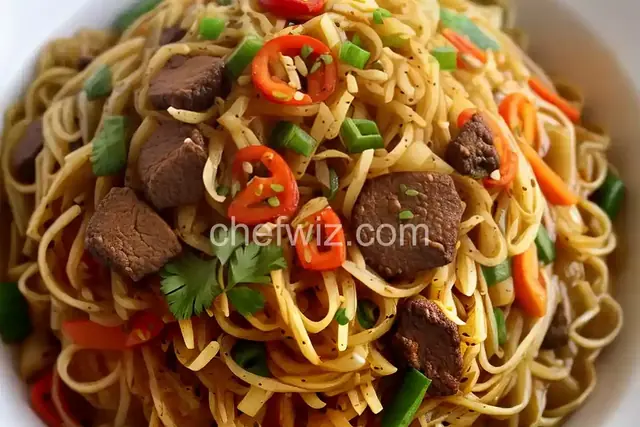
 Are you a fan of Filipino cuisine? Have you ever tried Pancit, a popular noodle dish from the Philippines?
 By AprilPublished
 Are you a fan of Filipino cuisine? Have you ever tried Pancit, a popular noodle dish from the Philippines?
Bring a pot of water to a boil on high heat.
Add chicken thighs to the boiling water and cook for about 30 minutes or until they are no longer pink in the centers and the juices run clear.
Strain the broth into a separate bowl and set it aside.
Use two forks to shred the cooked chicken thighs.
In a large bowl, place the noodles and pour in the hot chicken broth. Add hot water if needed to cover the noodles. Let them sit for 5 to 7 minutes until they are softened.
Rinse the noodles with cold water and drain them well.
Transfer the noodles to a separate bowl and add soy seasoning, 1 tablespoon of olive oil, and sesame oil. Mix everything together thoroughly and set it aside.
In a skillet or large wok, heat the remaining olive oil over medium-high heat.
Sauté the garlic in the hot oil until it starts to brown, which takes about 1 minute.
Add the onion and cook for 2 more minutes.
Add the shredded chicken, cabbage, and carrots to the skillet or wok. Stir-fry everything for about 3 to 4 minutes.
Season the chicken mixture with garlic salt.
Mix the cooked chicken mixture with the noodles.
Add soy seasoning to taste.
Serve the dish.
Are you a fan of Filipino cuisine? Have you ever tried Pancit, a popular noodle dish from the Philippines? If not, you're in for a treat! In this article, we will explore the world of authentic Filipino Pancit, its history, flavors, and why it has become a favorite among locals and foreigners alike.
Pancit is a dish with Chinese origins that has been adapted and transformed into a beloved Filipino staple. The word "Pancit" is derived from the Hokkien term "pian e sit," which means "something conveniently cooked." This popular noodle dish has become an integral part of Filipino culture, often served during celebrations, family gatherings, and even everyday meals.
What sets Pancit apart from other noodle dishes is its unique combination of flavors. The dish is typically made with rice noodles, which are stir-fried with various ingredients such as meat, vegetables, and aromatic spices. The flavors are further enhanced with the addition of soy sauce, citrus juices, and other condiments, creating a harmonious blend of sweet, savory, and tangy notes.
One popular variation of Pancit is Pancit Canton. This version uses thicker egg noodles and is often cooked with pork, chicken, or shrimp. The dish is packed with umami flavors and is a favorite among those who enjoy a heartier meal.
Another well-loved rendition is Pancit Bihon, which features thin rice noodles stir-fried with a medley of vegetables, meat, and shrimp. This light and refreshing version of Pancit is perfect for those looking for a healthier option.
So, why should you give Pancit a try? First and foremost, it is a dish that represents the rich culinary heritage of the Philippines. By indulging in Pancit, you are immersing yourself in a cultural experience that dates back centuries.
Furthermore, Pancit is a versatile dish that can be customized to suit various dietary preferences and restrictions. Whether you're a meat lover, a vegetarian, or even a seafood enthusiast, there is a Pancit variation for everyone.
Lastly, Pancit is a dish that brings people together. It is often served during festive occasions, symbolizing unity, abundance, and prosperity. So, the next time you gather with friends and family, consider whipping up a delicious batch of Pancit to celebrate good food and great company.
Pancit is more than just a noodle dish; it's a culinary journey that encapsulates the rich history and flavors of the Philippines. By immersing yourself in the world of Pancit, you are not only treating your taste buds but also gaining a deeper understanding and appreciation for Filipino culture. So, go ahead and indulge in a plate of authentic Filipino Pancit. Your taste buds will thank you!
There are numerous types of Pancit, each with its own unique combination of ingredients and flavors. Some popular variations include Pancit Canton, Pancit Bihon, Pancit Malabon, and Pancit Palabok.
Absolutely! Pancit can be made with or without meat. Vegetarian versions are just as delicious and flavorful. You can use tofu, mushrooms, or a variety of vegetables as substitutes for the meat.
While traditional Pancit recipes call for rice noodles, you can experiment with different types of noodles to create unique flavors and textures. Try using egg noodles, wheat noodles, or even soba noodles for a twist.
Pancit can be a healthy dish, especially if you load it up with plenty of vegetables and lean protein. However, it's essential to be mindful of portion sizes and the amount of oil or sauce used during cooking.
Yes, you can freeze Pancit for later consumption. However, keep in mind that the texture of the noodles may change slightly after thawing. It's best to consume the dish within a month of freezing for optimal taste and quality.
Pancit can be enjoyed on its own as a complete meal, but if you're looking for side dishes, consider serving it with lumpia (Filipino spring rolls), fried tofu, or a fresh salad for a well-rounded feast.
Yes, Pancit is a popular dish in Filipino restaurants worldwide. Whether you're in the United States, Europe, or Asia, you're likely to find a restaurant that serves authentic Pancit.
To enhance the flavor of your Pancit, consider adding a squeeze of calamansi juice, a traditional Filipino citrus fruit. You can also experiment with different sauces, spices, and seasonings to create your own signature Pancit recipe.
AprilCook, recipe developer and the heart of Chefwiz. More about April