Auntie Mae's Irish Bread
Rate this recipeBe the first to rate
 By AprilPublished
 Do you have fond memories of visiting your grandmother's house and being greeted with the warm aroma of freshly baked bread?
 By AprilPublished
 Do you have fond memories of visiting your grandmother's house and being greeted with the warm aroma of freshly baked bread?
Preheat the oven to 350 degrees F (175 degrees C).
Grease an 8-inch round glass baking dish.
In a bowl, combine flour, milk, raisins, sugar, caraway seeds, vegetable oil, baking powder, baking soda, and salt.
Mix the ingredients together until the dough is not too wet to pour and not too dry to handle.
If the dough is too dry, add more milk.
Transfer the dough to the greased baking dish.
Bake in the preheated oven for approximately 50 minutes.
To check if it's done, insert a toothpick into the center of the bread. If it comes out clean, the bread is ready.
Do you have fond memories of visiting your grandmother's house and being greeted with the warm aroma of freshly baked bread? There's something comforting about the simplicity of homemade bread, especially when it's made with love. Auntie Mae's Irish Bread is a recipe that has been passed down through generations, and it's the perfect way to bring a taste of Ireland to your own kitchen.
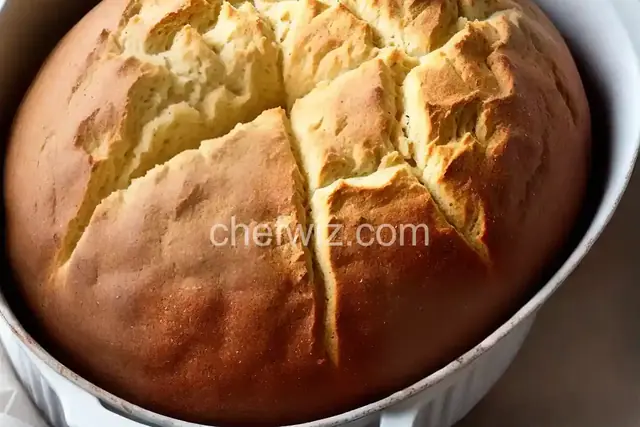
Imagine biting into a slice of bread that is crusty on the outside, yet soft and slightly chewy on the inside. The flavors of butter and buttermilk dance on your tongue, while the subtle sweetness of honey adds a delightful twist. This is the magic of Auntie Mae's Irish Bread.
But what makes this bread truly special is the story behind it. Auntie Mae, a feisty Irish woman with a heart of gold, spent years perfecting her recipe. She believed that bread was more than just sustenance—it was a way to connect with loved ones, to share stories and laughter around the kitchen table. And that's exactly what Auntie Mae's Irish Bread does—it brings people together.
Now, let me share with you Auntie Mae's little secret. The key to her delicious bread is the buttermilk. It adds a tangy flavor and makes the bread incredibly moist. Buttermilk also gives the bread a beautiful golden color and helps it rise to perfection. It's the secret ingredient that takes this bread from ordinary to extraordinary.
If you're new to bread baking, don't worry! Auntie Mae's Irish Bread is a beginner-friendly recipe. Here are a few tips and tricks to ensure your bread turns out perfectly:
Auntie Mae's Irish Bread is more than just a recipe—it's a taste of tradition and a connection to the past. With its rustic crust and tender crumb, this bread brings warmth and comfort to any occasion. So gather your loved ones, slice a loaf, and savor the magic of Auntie Mae's Irish Bread.
No, buttermilk is crucial for the texture and flavor of this bread. If you don't have buttermilk on hand, you can make your own by adding a tablespoon of lemon juice or vinegar to a cup of milk and letting it sit for 5 minutes.
Absolutely! Wrap the bread tightly in plastic wrap and store it in the freezer for up to three months. When you're ready to enjoy it, simply thaw it at room temperature or pop it in the toaster for a warm slice.
Yes, you can substitute whole wheat flour for all-purpose flour, but keep in mind that the texture and flavor of the bread will be slightly different. Whole wheat flour tends to make the bread denser and nuttier in flavor.
This bread is best enjoyed within a few days of baking. To keep it fresh, store it in an airtight container at room temperature. If the bread starts to become stale, you can toast it or use it for French toast or bread pudding.
Yes, you can use a gluten-free flour blend instead of all-purpose flour to make this bread gluten-free. However, keep in mind that the texture and taste may differ slightly from the original recipe.
While this recipe is traditionally made by hand, you can adapt it for a bread machine. Simply follow the manufacturer's instructions for the order of ingredients and the baking time.
Absolutely! Auntie Mae's Irish Bread is a versatile recipe that can be customized to your liking. Feel free to add grated cheese, chopped herbs, or even garlic for a savory twist.
Definitely! The dough can be shaped into rolls or buns and baked accordingly. Just keep in mind that the baking time may be shorter for smaller bread portions.
AprilCook, recipe developer and the heart of Chefwiz. More about April