Asian-Inspired Mustard Greens
Rate this recipeBe the first to rate
 By AprilPublished
 Are you a fan of Asian cuisine? Do you enjoy exploring new flavors and ingredients?
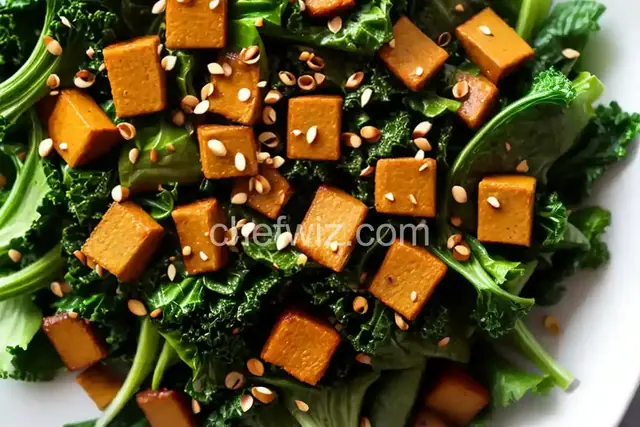 By AprilPublished
 Are you a fan of Asian cuisine? Do you enjoy exploring new flavors and ingredients?
Place the sesame seeds in a large skillet over medium heat and stir constantly until they turn golden brown and make a continuous crackling noise for about 1 to 2 minutes.
Immediately transfer the toasted sesame seeds to a bowl to stop the cooking process and set them aside.
In the same hot skillet, add sesame oil and heat it until it starts to smoke.
Add the mustard greens to the hot oil and pour in water.
Gently toss the greens with a spatula until they wilt and reduce in quantity, which should take about 2 minutes.
Mix in the garlic, soy sauce, rice wine vinegar, sake, and sugar.
Bring the mixture to a boil, stirring until the sugar has dissolved, and then cover the skillet.
Reduce the heat to a simmer and cook until the greens become tender, which should take about 10 to 15 minutes.
If you prefer a thicker sauce, remove the greens from the skillet using a slotted spoon and cook the liquid down to the desired thickness.
Return the greens to the skillet, toss them in the pan juices, and sprinkle with the toasted sesame seeds.
Cook's Note: Mirin vinegar can be substituted with a mild vinegar like apple cider vinegar. Sake can be replaced with sherry or any not-too-grapey white to blush wine. If desired, minced ginger and/or red pepper flakes can be added along with the garlic
Are you a fan of Asian cuisine? Do you enjoy exploring new flavors and ingredients? If so, you're in for a treat! In this article, we will delve into the world of Asian-inspired mustard greens. These vibrant and flavorful greens are not only delicious but also packed with nutrients. Whether you're a seasoned chef or a beginner in the kitchen, this article will provide you with everything you need to know about these versatile greens.
Let's start by talking about the marvel of mustard greens. These leafy vegetables belong to the Brassica family, which also includes cabbage, kale, and broccoli. Mustard greens are known for their distinct peppery flavor, which adds a delightful kick to any dish. Additionally, they are rich in vitamins A, C, and K, as well as folate and fiber. Incorporating mustard greens into your diet can boost your immune system, promote healthy digestion, and contribute to overall well-being.
Asian cuisine is renowned for its bold flavors and vibrant ingredients. Mustard greens play a significant role in various Asian dishes, adding a unique taste and texture. From stir-fries to soups, these greens can be used in a multitude of ways. Their versatility allows them to pair well with other Asian ingredients such as soy sauce, ginger, garlic, and chili peppers. Whether you're preparing a traditional Chinese stir-fry or a spicy Thai curry, mustard greens can elevate your dish to new heights.
Now that we've piqued your interest in Asian-inspired mustard greens, let's discuss how to prepare and cook them. Start by selecting fresh and vibrant greens from your local market. Look for leaves that are crisp, with no signs of wilting or yellowing. Once you have your greens, it's time to give them a good rinse to remove any dirt or debris. Afterward, remove the tough stems and chop the leaves into bite-sized pieces.
One popular way to cook mustard greens is by stir-frying them. Heat a tablespoon of oil in a wok or a large frying pan over medium-high heat. Add your favorite Asian seasonings such as garlic, ginger, and chili peppers for an extra kick. Toss in the mustard greens and stir-fry for a few minutes until they are wilted but still retain their vibrant color. Finish off with a drizzle of soy sauce and a sprinkle of sesame oil for added flavor.
Mustard greens also shine in soups and stews, providing a burst of flavor and nutrients. Add them to your favorite Asian soup recipe, such as hot and sour soup or miso soup. The greens will simmer and infuse the broth with their unique taste. Not only will you enjoy the flavors, but you'll also benefit from the nutritional value they bring to the table.
Asian-inspired mustard greens are a culinary delight. With their peppery flavor and nutritional benefits, they are a must-try for any food enthusiast. Whether you're looking to add a new dimension to your stir-fries or enhance the depth of your soups, mustard greens are a versatile and exciting ingredient to experiment with. So, don't hesitate to explore the world of Asian-inspired mustard greens and take your taste buds on a delicious adventure.
Yes, mustard greens have a peppery and slightly spicy flavor that adds a unique kick to dishes.
While mustard greens can be eaten raw, they are often cooked to soften their texture and mellow out their flavor.
Store mustard greens in a plastic bag in the refrigerator. They should stay fresh for up to a week.
Absolutely! Mustard greens are packed with vitamins A, C, and K, as well as folate and fiber.
Yes, if you can't find mustard greens, you can substitute them with other leafy greens like kale or collard greens.
No, while mustard greens are commonly used in Asian dishes, they can be incorporated into various cuisines worldwide.
Yes, you can freeze mustard greens. Blanch them first, then place them in a freezer-safe bag or container.
Absolutely! Mustard greens are relatively easy to grow and can thrive in both garden beds and containers.
AprilCook, recipe developer and the heart of Chefwiz. More about April