Arrabiata Sauce
Rate this recipeBe the first to rate
 By AprilPublished
 Imagine a plate of perfectly cooked pasta, coated in a rich and vibrant sauce that packs a punch of flavors.
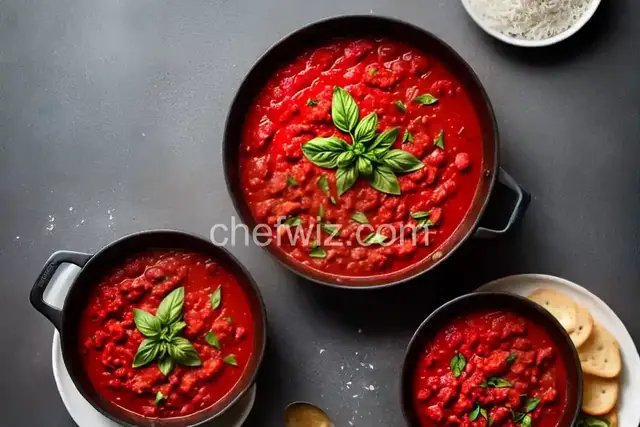 By AprilPublished
 Imagine a plate of perfectly cooked pasta, coated in a rich and vibrant sauce that packs a punch of flavors.
Heat a pan over medium-high heat and add a tablespoon of olive oil.
Toss in the red pepper flakes, garlic, and onions and stir them together.
Pour in the wine (or chicken broth) and whisk to scrape off any bits stuck to the bottom of the pan.
Cook until the liquid has reduced by half.
Add the crushed tomatoes and Italian seasoning, stirring to mix everything together.
Sprinkle in a pinch of sugar, as well as salt and pepper to your taste.
Reduce the heat to low and let the mixture simmer for 30 minutes.
Allow the mixture to cool down.
Divide the mixture into 4 freezer bags and freeze them for future use.
Imagine a plate of perfectly cooked pasta, coated in a rich and vibrant sauce that packs a punch of flavors. If you are a fan of spicy food, then arrabiata sauce is the answer to your cravings. This fiery Italian sauce is a true delight for pasta lovers who enjoy a little kick in their meals. In this article, we will explore the origins, ingredients, and the perfect pairing for arrabiata sauce. So, brace yourself for a flavorful journey!
Arrabiata, which means "angry" in Italian, perfectly describes the essence of this sauce. Originating from the Lazio region of Italy, arrabiata sauce is known for its bold and fiery flavors. It is believed to have been created as a way to spice up traditional pasta dishes, adding an element of excitement to the Italian cuisine. With its vibrant red color and intense flavors, arrabiata sauce has become a popular choice for those who crave a little heat in their meals.
Arrabiata sauce is made using a handful of simple yet flavorful ingredients. The star of the show is the humble tomato, which forms the base of the sauce. Fresh tomatoes are preferred, as they add a natural sweetness to balance out the spiciness. Other key ingredients include garlic, chili flakes, olive oil, and a touch of salt and pepper. The combination of these ingredients creates a harmonious blend of flavors that will leave your taste buds tingling with delight.
Arrabiata sauce is incredibly versatile and pairs well with a variety of pasta types. The spicy kick of the sauce complements hearty pasta shapes like penne, rigatoni, or fusilli. The nooks and crannies of these pasta shapes allow the sauce to cling to every bite, ensuring a burst of flavor in each mouthful. For those who prefer a milder experience, pairing arrabiata sauce with a smooth pasta like linguine or spaghetti can help balance out the heat.
To make the perfect arrabiata sauce, start by sautéing minced garlic and chili flakes in olive oil. This will release their flavors and infuse the oil with a delightful aroma. Next, add the fresh tomatoes and let them simmer until they break down into a thick and chunky sauce. Season with salt and pepper to taste. Remember, the longer you simmer the sauce, the more intense the flavors will become. Finally, toss your cooked pasta in the sauce and garnish with fresh basil or parsley for an added burst of freshness.
Arrabiata sauce is a spicy delight that adds a fiery kick to your pasta dishes. With its origins in Italy, this vibrant sauce has become a favorite among those who crave a little heat in their meals. By following a simple recipe and adjusting the level of spiciness to your liking, you can create a flavorful arrabiata sauce that will leave you wanting more. So, next time you're in the mood for a fiery pasta dish, give arrabiata sauce a try and let your taste buds dance with joy.
Arrabiata sauce can be as spicy as you want it to be. The level of heat can be adjusted by adding more or fewer chili flakes. Feel free to experiment and find your perfect balance of spiciness.
Absolutely! In fact, making arrabiata sauce in advance allows the flavors to meld together, resulting in a more intense taste. Store it in the refrigerator for up to a week or freeze it for longer storage.
Yes, arrabiata sauce is vegetarian-friendly. It does not contain any meat or animal products. However, always check the ingredient labels of store-bought sauces to ensure they align with your dietary preferences.
Absolutely! While the classic arrabiata sauce recipe calls for simple ingredients, you can always add your own twist. Some popular additions include sautéed onions, bell peppers, mushrooms, or even cooked chicken or shrimp for a heartier meal.
If you prefer a milder version of arrabiata sauce, you can reduce the amount of chili flakes or even omit them altogether. You can also balance out the heat by adding a touch of cream or grated cheese to the sauce.
While arrabiata sauce is traditionally used with pasta, it can also be a delicious addition to other dishes. Use it as a dipping sauce for breadsticks or as a topping for grilled vegetables or even as a base for homemade pizza.
Yes, you can use canned tomatoes to make arrabiata sauce if fresh tomatoes are not available. Opt for high-quality canned tomatoes without any added seasonings for the best results.
While both arrabiata and marinara sauces are tomato-based, the key difference lies in the heat. Arrabiata sauce is spicier, thanks to the addition of chili flakes, whereas marinara sauce is milder and focuses on the natural sweetness of tomatoes.
AprilCook, recipe developer and the heart of Chefwiz. More about April