Argentinean Chimichurri Sauce
Rate this recipeBe the first to rate
 By AprilPublished
 Do you love the mouthwatering flavors of grilled meats and veggies?
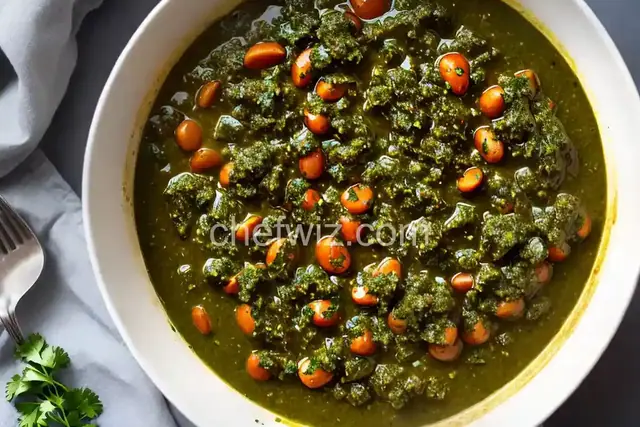 By AprilPublished
 Do you love the mouthwatering flavors of grilled meats and veggies?
Combine the onion, tomato, garlic, parsley, oregano, paprika, salt, and pepper in a bowl.
Mix them together until they are evenly combined.
Add the olive oil, red wine vinegar, and water to the mixture.
Stir well to ensure everything is well combined.
Place the mixture in the refrigerator until the flavors have blended.
Allow it to refrigerate for at least 8 hours, but for even better results, refrigerate it for 2 to 3 days before using.
Do you love the mouthwatering flavors of grilled meats and veggies? Are you looking to add a burst of tanginess and freshness to your next barbecue? Look no further than Argentinean chimichurri sauce! This zesty condiment is a delightful combination of fresh herbs, garlic, and vinegar that elevates the flavors of any dish. In this article, we will explore the origins of chimichurri, its versatile uses, and why it has become a staple in Argentinean cuisine. So, let's dive into the world of chimichurri and discover why it is the perfect accompaniment to your grilled delights!
The origins of chimichurri sauce can be traced back to Argentina, where it has been a beloved part of the local cuisine for centuries. The exact origins of the name "chimichurri" are a subject of debate, with several theories floating around. Some say it is derived from the Basque word "tximitxurri," which means "a mixture of several things in no particular order." Others claim it is a corruption of the English words "Jimmy Curry," referring to an Englishman who loved the sauce during his visit to Argentina. Regardless of its etymology, one thing is clear - chimichurri sauce is deeply ingrained in Argentinean culture.
What makes chimichurri sauce so special? It's all about the fresh and vibrant ingredients! The base of the sauce consists of parsley, oregano, garlic, and olive oil. These ingredients are finely chopped or blended together to create a harmonious blend of flavors. Additionally, some variations of chimichurri sauce include red wine vinegar, lemon juice, or even a touch of chili flakes for an extra kick. The combination of these ingredients creates a tangy, herbaceous, and slightly spicy sauce that complements grilled dishes perfectly.
Chimichurri sauce is incredibly versatile and can be used in various ways to enhance the flavors of your favorite dishes. Traditionally, it is served alongside grilled meats such as steak, chicken, or sausages. The tanginess of the sauce cuts through the richness of the meat, creating a balanced and flavorful bite. However, chimichurri is not limited to meats alone. It can also be drizzled over roasted vegetables, used as a marinade for tofu or fish, or even as a dipping sauce for crusty bread. The possibilities are endless!
Imagine sitting in your backyard, surrounded by the tantalizing aroma of sizzling meats on the grill. As you take a bite of that perfectly cooked steak, the flavors explode in your mouth - the smoky char, the tender meat, and the tangy chimichurri sauce dancing on your taste buds. It's a symphony of flavors that takes your barbecue experience to new heights. The freshness of the herbs, the pungency of the garlic, and the acidity of the vinegar all work together to create a truly delightful flavor profile. Chimichurri sauce is the secret ingredient that elevates your grilled delights from good to extraordinary.
In conclusion, Argentinean chimichurri sauce is a versatile and flavorful condiment that adds a burst of freshness and tanginess to grilled dishes. Its origins in Argentina and its vibrant ingredients make it a must-try for any barbecue enthusiast. Whether you're grilling up a juicy steak or roasting vegetables, chimichurri sauce is the perfect accompaniment that will take your culinary creations to the next level. So, next time you fire up the grill, don't forget to whip up a batch of chimichurri sauce and let your taste buds embark on a flavor-filled adventure!
Yes, chimichurri sauce can be stored in an airtight container in the refrigerator for up to a week.
Chimichurri sauce can have a slight kick if chili flakes are added, but it is generally not considered spicy.
While fresh herbs are preferred, you can use dried herbs in a pinch. Just remember to adjust the quantities as dried herbs are more potent.
Yes, chimichurri sauce can be used as a flavorful dressing for salads. It adds a tangy and herbaceous kick to your greens.
Aside from grilled meats and vegetables, chimichurri sauce pairs well with roasted potatoes, sandwiches, and even as a topping for pizza.
Yes, chimichurri sauce can be frozen for up to three months. Just make sure to thaw it in the refrigerator before using.
Yes, different regions in Argentina have their own variations of chimichurri sauce, with slight variations in ingredients and proportions.
Absolutely! Feel free to experiment with the ingredients and adjust the quantities to create a chimichurri sauce that suits your taste buds.
AprilCook, recipe developer and the heart of Chefwiz. More about April