American Pale Ale (For Beginners) Recipe
Rate this recipeBe the first to rate
 By AprilPublished
 Are you a beer lover looking to explore the world of homebrewing?
 By AprilPublished
 Are you a beer lover looking to explore the world of homebrewing?
Place the American 6-row malt and Crystal 20L malt in a mesh hop-bag and tie it securely. In a large pot, heat 1 gallon of water until it reaches 160째F, then remove from heat. Add the malt-filled mesh bag to the pot and allow it to steep for 20 minutes.
Slowly increase the temperature of the water to 170째F. Make sure the mesh bag is not resting directly on the bottom of the pot. Once at the desired temperature, remove the grain bag and add enough water to make a total of 3 gallons.
Bring the mixture to a vigorous boil. While the water is heating, gradually add the malt extract, stirring continuously until fully dissolved. Once the boil begins, add 1/2 ounce of Centennial hops in a mesh bag.
After boiling for 45 minutes, add 1 ounce of Cascade hops and 1 ounce of Centennial hops in a mesh bag.
After a total of 60 minutes of boiling, remove the pot from heat and add 1 ounce of Cascade hops and 1/2 ounce of Centennial hops in a mesh bag. Cover the pot.
Once the wort has cooled below 180째F, ensure that anything that comes into contact with it is sanitary and minimize exposure to open air.
Cool the wort by placing the pot in an ice bath until the temperature is below 85째F. Transfer the cooled wort to a sanitized fermentor, either a carboy or a
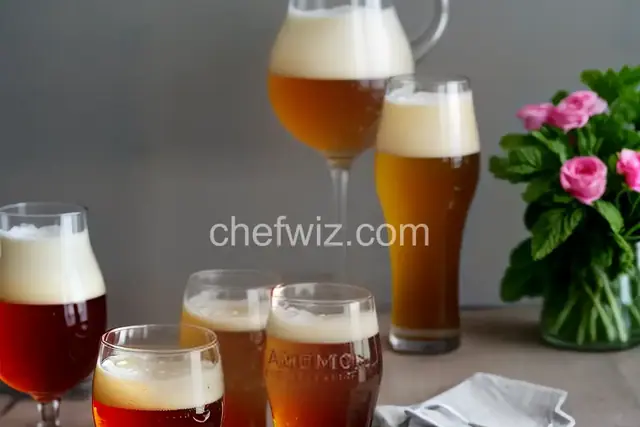
Are you a beer lover looking to explore the world of homebrewing? If so, you're in for a treat! In this article, we'll dive into the wonderful world of American Pale Ale (APA). This beer style is perfect for beginners who want to dip their toes into the art of brewing without getting overwhelmed. So, grab a pint, sit back, and let's explore the fascinating journey of brewing American Pale Ale!
Before we delve into the brewing process, let's understand what makes American Pale Ale unique. APA is a beer style that originated in the United States and quickly gained popularity worldwide. It's known for its refreshing hop-forward flavor, balanced maltiness, and moderate alcohol content.
Imagine taking a refreshing stroll through a pine forest on a sunny day. The crisp aroma of pine needles fills the air, invigorating your senses. That's exactly what you can expect from a well-crafted American Pale Ale. It's a harmonious blend of hoppy goodness and a clean, smooth finish.
Brewing American Pale Ale at home is a rewarding experience that allows you to unleash your creativity. Here's a simplified version of the brewing process:
Brewing your first American Pale Ale can be a bit intimidating, but fear not! Here are a few tips and tricks to ensure a successful brew:
Brewing American Pale Ale is a fantastic journey that allows you to explore the art and science of beer. Whether you're a novice brewer or a seasoned enthusiast, APA is a style that will never disappoint. So, gather your ingredients, fire up your kettle, and embark on a brewing adventure that will leave you with a delicious pint of American Pale Ale.
Absolutely! Brewing is all about experimentation and finding what works best for your taste buds. Feel free to substitute hops, malt, or yeast to create your unique version of American Pale Ale.
The brewing process typically takes around four to six weeks, including fermentation and aging. However, it's important to note that the flavors will continue to develop over time, so the longer you wait, the better it gets!
While a brewing kit provides convenience and all the necessary equipment, it's possible to brew American Pale Ale without one. All you need are basic brewing supplies like a kettle, fermenter, airlock, and some creativity!
American Pale Ale pairs well with a variety of foods. Its hoppy, citrusy flavors complement spicy dishes, grilled meats, and even tangy cheeses. So, let your taste buds guide you and explore the endless pairing possibilities!
Absolutely! Brewing in a hot climate requires some extra attention to temperature control during fermentation. You can use a temperature-controlled fermentation chamber or choose yeast strains that thrive in warmer conditions.
Brewing can sometimes be unpredictable, but don't worry! If you encounter issues like off-flavors, low carbonation, or fermentation problems, there are plenty of resources available online, brewing forums, and local homebrew clubs to help troubleshoot and guide you through the process.
Absolutely! Adding fruit flavors can be a fun and creative way to personalize your American Pale Ale. You can experiment with adding fruits like citrus, berries, or even tropical fruits during fermentation or as a post-fermentation addition.
Yes, you can! There are various gluten-free ingredients available, such as sorghum, millet, rice, or quinoa, that can be used as substitutes for barley or wheat. With a little research and experimentation, you can enjoy a delicious gluten-free American Pale Ale.
Brewing your own American Pale Ale can be a cost-effective option in the long run, especially if you brew in larger batches. However, it's important to consider the initial investment in equipment and ingredients. The joy of brewing and the satisfaction of enjoying your own creation make it priceless!
AprilCook, recipe developer and the heart of Chefwiz. More about April