Amatriciana Sauce
Rate this recipeBe the first to rate
 By AprilPublished
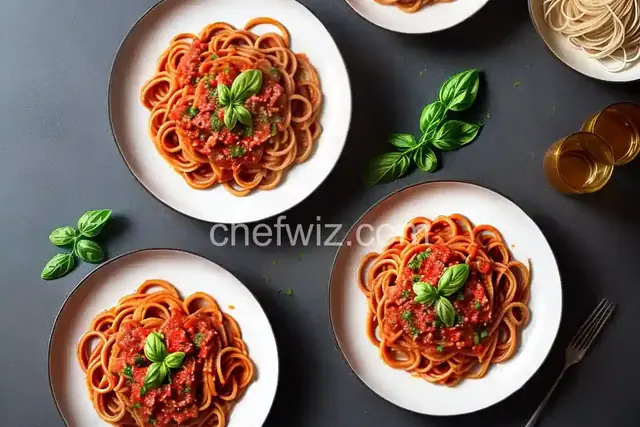
 When it comes to Italian cuisine, few dishes can rival the bold and savory flavors of Amatriciana sauce.
 By AprilPublished
 When it comes to Italian cuisine, few dishes can rival the bold and savory flavors of Amatriciana sauce.
Blend the tomatoes until they reach a smooth and creamy texture using a food processor or immersion blender. Set the puree aside.
In a large skillet, heat the olive oil over medium-high heat. Once hot, add the guanciale and sauté it until it turns golden brown, which should take about 5 to 7 minutes.
Next, add the garlic and red pepper flakes to the skillet, and sauté them for 1 minute.
Now, add the previously prepared tomato puree, along with the basil, salt, and pepper to taste. Stir everything well and reduce the heat to medium-low.
Allow the sauce to cook uncovered for approximately 15 minutes, or until it darkens and thickens to your desired consistency.
Finally, toss the cooked pasta with the sauce, and serve it with a sprinkle of parsley and cheese, as well as a drizzle of olive oil.
When it comes to Italian cuisine, few dishes can rival the bold and savory flavors of Amatriciana sauce. This beloved sauce hails from the small town of Amatrice in central Italy and has become a staple in kitchens around the world. But what makes Amatriciana sauce so special? Join me on a culinary adventure as we explore the origins, ingredients, and cooking techniques that make this sauce a true Italian classic.
Like many traditional Italian dishes, the origins of Amatriciana sauce can be traced back to humble beginnings. Legend has it that shepherds in the Amatrice region created this sauce using simple ingredients they had on hand: guanciale (cured pork jowl), pecorino cheese, tomatoes, and chili peppers. Over time, this rustic sauce gained popularity and made its way into the hearts and palates of Italians and food enthusiasts worldwide.
At the heart of Amatriciana sauce lies the heavenly combination of guanciale and tomatoes. Guanciale, with its rich and intense flavor, adds a depth of umami to the sauce that is hard to replicate. The tomatoes, preferably San Marzano, bring a vibrant sweetness that balances the saltiness of the guanciale. Combined with aromatic garlic and a touch of spicy chili peppers, these ingredients create a symphony of flavors that dance on your taste buds.
Creating a perfect Amatriciana sauce requires a delicate balance of technique and timing. The guanciale is first rendered in a pan until crispy, releasing its flavorful fat. Then, the garlic and chili peppers are added to infuse the oil with their aromatic essence. Finally, the tomatoes are gently simmered with the other ingredients, allowing the flavors to meld together harmoniously. The result is a velvety sauce with a rich and complex taste that elevates any pasta dish.
The beauty of Amatriciana sauce lies in its versatility. Traditionally, it is paired with bucatini or spaghetti, but feel free to experiment with other pasta shapes. The sauce also pairs well with hearty meats like grilled pork chops or chicken. For vegetarians, roasted vegetables or even tofu can be tossed in this sauce for a satisfying meal. Don't forget to sprinkle some freshly grated pecorino cheese on top to enhance the flavors even further!
Amatriciana sauce is more than just a pasta topping; it's a taste of Italy itself. With every bite, you can savor the rich history and passion that went into creating this iconic sauce. Whether you're a seasoned cook or a beginner in the kitchen, mastering the art of Amatriciana sauce will transport you to the cobblestone streets of Amatrice and immerse you in the warmth and soul of Italian cuisine.
Amatriciana sauce is not just a sauce; it's a story. It's a story of shepherds and their resourcefulness, of a small town in Italy that captured the hearts of food lovers worldwide. It's a story of flavors that dance on your palate and transport you to the rustic charm of Italian cuisine. So, next time you're in the mood for a taste of Italy, whip up a batch of Amatriciana sauce and let it take you on a flavorful journey you won't soon forget.
While guanciale is the traditional choice, bacon can be used as a substitute in a pinch. However, keep in mind that the flavor profile will be slightly different.
Yes, Amatriciana sauce has a mild level of spiciness due to the addition of chili peppers. However, you can adjust the heat according to your preference.
Absolutely! Amatriciana sauce freezes well and can be stored for up to three months. Just make sure to cool it completely before transferring it to a freezer-safe container.
Yes, canned tomatoes are a convenient option for making Amatriciana sauce. Look for San Marzano tomatoes for the best flavor.
Bucatini and spaghetti are the traditional choices, but you can also use penne, rigatoni, or any other pasta shape you prefer.
Yes, you can omit the guanciale and use olive oil instead. The sauce will still have a wonderful depth of flavor from the tomatoes and other seasonings.
Absolutely! You can add sautéed mushrooms, roasted peppers, or any other vegetables you enjoy to enhance the sauce's flavor and texture.
A medium-bodied red wine, such as Chianti or Barbera, pairs well with the robust flavors of Amatriciana sauce.
AprilCook, recipe developer and the heart of Chefwiz. More about April