Alton Brown's Classic Brined and Roasted Turkey
Rate this recipeBe the first to rate
 By AprilPublished
 Are you looking to impress your guests this Thanksgiving with a perfectly cooked turkey?
 By AprilPublished
 Are you looking to impress your guests this Thanksgiving with a perfectly cooked turkey?
Place the wrapped turkey in a 5-gallon cooler with a drain spout.
Put the cooler in a bathtub and cover the turkey with cold water.
Drain and replace the water every 2-3 hours, making sure the water temperature stays below 40°, until the turkey is fully thawed (8-10 hours).
Clean the cooler using soap and water, then fill it with hot tap water, salt, and sugar. Stir well to dissolve the salt and sugar, then add ice and vegetable broth.
Unwrap the thawed turkey and remove any parts that may be inside the cavity (such as neck, organs, etc.). These parts can be saved for gravy.
Place the turkey in the brine, with the breast side up. If the turkey floats, fill a 1-gallon resealable plastic bag with water and place it on top of the turkey. Close the lid of the cooler and place it in a cool spot. Ideally, turn the turkey over once during the brining process (8-12 hours).
Periodically check the brining liquid with a probe thermometer. If the temperature is above 40°, add a few freezer packs that have been put in resealable plastic bags.
Remove the turkey from the brine, rinse it under cold water, and pat it dry with paper towels. Do not stuff the turkey.
Remove all oven racks except
Are you looking to impress your guests this Thanksgiving with a perfectly cooked turkey? Look no further than Alton Brown's classic brined and roasted turkey recipe. This tried and true method ensures a juicy and flavorful bird that will have everyone coming back for seconds. Let's dive into the details of this foolproof technique.
Brining is the secret to achieving a moist and tender turkey. It involves soaking the bird in a saltwater solution, allowing the flavors to penetrate deep into the meat. Think of it as marinating on steroids. The salt in the brine also helps to break down the muscle fibers, resulting in a more tender texture.
Alton Brown's brine recipe consists of water, kosher salt, brown sugar, and various aromatics such as peppercorns, bay leaves, and fresh herbs. The turkey is submerged in the brine for 12 to 24 hours, depending on its size. This process not only enhances the flavor but also helps to ensure even cooking throughout the bird.
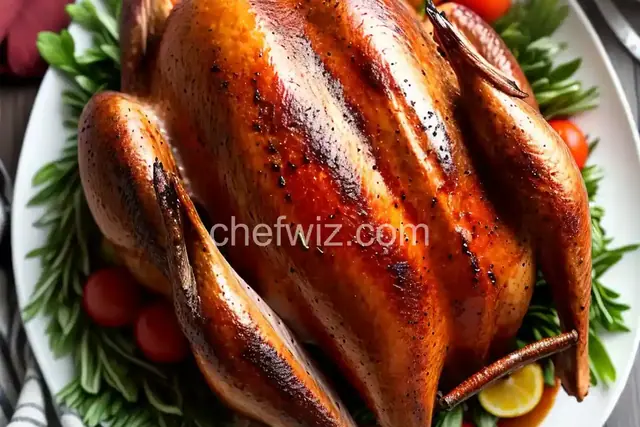
After the brining process, it's time to roast the turkey to perfection. Alton Brown's method involves cooking the bird at a high temperature initially and then lowering the temperature for the remainder of the cooking time. This technique helps to crisp up the skin while keeping the meat moist and juicy.
It's recommended to use a V-rack or a roasting pan with a rack to elevate the turkey off the bottom of the pan. This allows for better air circulation and more even cooking. Basting the turkey with melted butter throughout the cooking process adds an extra layer of flavor and helps to achieve that beautiful golden brown skin.
So why go through the extra steps of brining and roasting when you can simply roast a turkey without any prior preparation? The answer lies in the taste and texture. Brining infuses the meat with flavors, making every bite incredibly delicious. The salt in the brine also helps to season the bird from the inside out, ensuring a well-seasoned turkey.
Roasting at a high temperature initially helps to create a crispy skin that is a delight to bite into. The lower temperature for the remainder of the cooking time allows for the meat to cook evenly, resulting in a juicy and tender turkey. The combination of brining and roasting truly takes your turkey to the next level.
Alton Brown's classic brined and roasted turkey recipe is a game-changer when it comes to Thanksgiving dinner. The brining process ensures a moist and flavorful turkey, while the roasting technique creates a crispy skin and perfectly cooked meat. Your guests will be impressed by the deliciousness of this turkey, and you'll be proud to have mastered the art of turkey cooking.
The brining time depends on the size of the turkey. Generally, it's recommended to brine for 1 hour per pound of turkey.
No, it's best to brine a thawed turkey. Make sure to thaw the turkey completely before brining.
It's best to use kosher salt as table salt may contain additives that can affect the flavor of the brine.
No, you do not need to rinse the turkey. The salt in the brine has already done its job.
It's not recommended to stuff the turkey before roasting as it can affect the cooking time and result in unevenly cooked meat.
The cooking time depends on the size of the turkey. It's best to use a meat thermometer to ensure the turkey reaches an internal temperature of 165°F.
Absolutely! This brining and roasting method can be used for other poultry such as chicken and duck.
Feel free to experiment with different seasonings and aromatics to customize the flavor of your brine.
AprilCook, recipe developer and the heart of Chefwiz. More about April