Ahi Poke
Rate this recipeBe the first to rate
 By AprilPublished
 Have you ever craved a dish that combines the freshness of seafood with the bold flavors of the tropics?
 By AprilPublished
 Have you ever craved a dish that combines the freshness of seafood with the bold flavors of the tropics?
In a medium bowl, mix together the soy sauce, sambal, sesame oil, scallion whites, garlic, ginger, and onions.
Add the tuna to the mixture and let it marinate in the refrigerator for 30 minutes.
Stir in the macadamia nuts.
Arrange the dish on plates as desired.
Garnish with the scallion greens.
Have you ever craved a dish that combines the freshness of seafood with the bold flavors of the tropics? Look no further than Ahi Poke! This Hawaiian delicacy has gained immense popularity worldwide, captivating taste buds with its exquisite taste and unique combination of ingredients. In this article, we will dive deep into the world of Ahi Poke, exploring its origins, ingredients, and the art of creating this delectable dish.
Originating from Hawaii, Ahi Poke has a rich history that dates back centuries. The word "poke" means "to cut" or "to slice" in Hawaiian, which perfectly describes the preparation method of this dish. Traditionally, Ahi Poke was made using freshly caught ahi tuna, a staple fish in Hawaiian cuisine. It was a simple yet flavorful dish enjoyed by fishermen after a long day at sea.
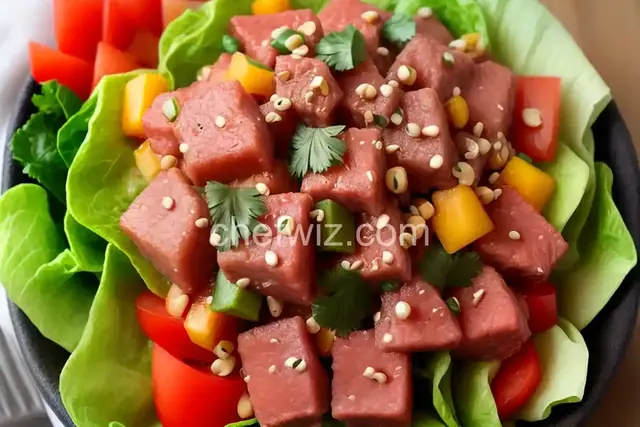
One of the key elements that make Ahi Poke so enticing is its diverse range of ingredients. The star of the dish, ahi tuna, is the main component. Its deep red color and buttery texture make it perfect for raw consumption. Other ingredients commonly added include soy sauce, sesame oil, green onions, sesame seeds, and seaweed. These ingredients work in harmony to create a symphony of flavors that dance on your palate.
Creating the perfect Ahi Poke requires precision and attention to detail. It's like composing a culinary masterpiece. The first step is to source the freshest ahi tuna available. Once you have your tuna, it's time to slice it into bite-sized cubes. The size of the cubes can vary depending on personal preference.
Next, it's time to add the seasonings. A combination of soy sauce, sesame oil, and sesame seeds adds an umami-packed punch to the dish. Mixing these ingredients gently with the cubed tuna ensures that every morsel is coated in the heavenly flavors. To add a touch of freshness and crunch, chopped green onions and seaweed are added as a finishing touch.
One of the most exciting aspects of Ahi Poke is its versatility. While the traditional recipe is undoubtedly delicious, there are countless variations that cater to different tastes and preferences. Some people prefer to add a hint of spice with chili flakes or Sriracha sauce. Others experiment with adding fruits like mango or pineapple for a tropical twist. The possibilities are endless, allowing you to customize Ahi Poke to suit your palate.
Once your Ahi Poke is prepared, it's time to indulge in its irresistible flavors. Many people enjoy it as a standalone dish, savoring each bite and allowing the flavors to unfold on their tongues. Others choose to serve it over a bed of freshly steamed rice or crisp lettuce leaves for a more substantial meal. Whichever way you choose to enjoy it, one thing is certain – Ahi Poke is a culinary adventure that will transport your taste buds to the beautiful shores of Hawaii.
Yes, Ahi Poke is safe to eat raw, as long as you use fresh, high-quality ingredients and follow proper food safety guidelines.
While ahi tuna is the traditional choice, you can experiment with other fish such as salmon or yellowtail to create your own unique Poke variations.
Ahi Poke is best enjoyed fresh, but you can make it in advance and refrigerate it for a few hours to allow the flavors to meld together.
Most of the basic ingredients used in Ahi Poke, such as ahi tuna, soy sauce, and sesame oil, are gluten-free. However, it's important to check the labels of any additional ingredients you use.
You can find fresh ahi tuna at reputable fish markets, seafood counters, or online suppliers that specialize in high-quality seafood.
Absolutely! You can create a vegetarian version of Poke by substituting the fish with tofu or tempeh and using vegetarian-friendly seasonings.
Ahi Poke can be as spicy as you like. By adding chili flakes or hot sauce, you can give it a fiery kick or keep it mild by omitting the spice.
While it's not recommended to freeze Ahi Poke due to its delicate texture, you can freeze the ahi tuna separately and prepare the dish once thawed.
In conclusion, Ahi Poke is a delightful journey for the senses. Its origins, diverse ingredients, and versatility make it a remarkable dish that can be enjoyed in many ways. So why not embark on your own culinary adventure and create your own version of Ahi Poke? Let your taste buds be the guide as you explore the flavors of Hawaii right in your own kitchen!
AprilCook, recipe developer and the heart of Chefwiz. More about April