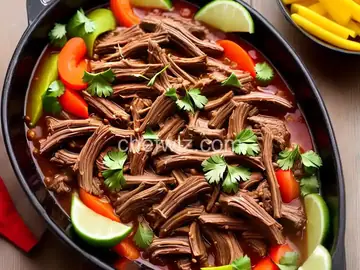
African Curry
Rate this recipeBe the first to rate
 By AprilPublished
 Curry lovers around the world can attest to the fact that there is something truly magical about the combination of spices and flavors that make up this beloved dish.
 By AprilPublished
 Curry lovers around the world can attest to the fact that there is something truly magical about the combination of spices and flavors that make up this beloved dish.
Heat olive oil in a large, heavy skillet over medium heat.
Add the onion, garlic, and bay leaf to the skillet and sauté until the onion is lightly browned.
In the same skillet, add the tomatoes, curry powder, and salt. Cook for approximately 5 minutes.
Add the chicken to the skillet and cook for 15 to 20 minutes, or until the chicken is no longer pink and the juices run clear.
Reduce the heat of the skillet to low.
Gradually blend in the coconut milk, stirring constantly, over a period of about 10 minutes.
Just before serving, mix in the lemon juice.
Curry lovers around the world can attest to the fact that there is something truly magical about the combination of spices and flavors that make up this beloved dish. And when it comes to curry, African cuisine has its own unique and vibrant take on it. African curry is not just about the taste, but also about the story behind each recipe, the traditions passed down from generation to generation, and the sense of community that comes with sharing a meal.
What sets African curry apart from other variations is the use of local ingredients and the rich history that comes with it. Just like a story with many chapters, African curry is a blend of cultures and influences. It takes you on a journey through time and space, from the bustling spice markets of Zanzibar to the aromatic kitchens of Ethiopia.
Each country in Africa has its own twist on curry, using a variety of spices such as cumin, coriander, turmeric, and cardamom. The result is a symphony of flavors that dances on your taste buds and leaves you craving for more.
Imagine a dish that combines the warmth of Indian spices, the tanginess of Middle Eastern flavors, and the earthiness of African herbs. African curry brings together the best of all worlds, creating a symphony of flavors that is both familiar and exotic.
Just like the diverse landscapes of Africa, African curry is a melting pot of flavors. It combines the boldness of North African cuisine with the subtle flavors of West Africa, resulting in a dish that is as complex as the continent itself.
When you take your first bite of African curry, you are transported to a world of vibrant colors, enticing aromas, and tantalizing textures. It's like a sensory explosion that captivates your taste buds and leaves you wanting more.
The spices used in African curry not only add depth and complexity but also create a feast for the eyes. From the bright yellow of turmeric to the fiery red of paprika, every spice used in African curry tells a story and adds a burst of color to the dish.
In Africa, food is not just about sustenance, it's about coming together as a community. African curry is often prepared and enjoyed in large gatherings, where friends and family come together to share a meal and create memories.
Just like the ingredients in African curry, the people who gather around the table come from different backgrounds and bring their own unique stories. It's a celebration of diversity and a reminder that food has the power to bring people together, no matter where they come from.
African curry is a celebration of flavors, traditions, and community. It's a dish that not only satisfies your taste buds but also tells a story of a continent rich in culture and diversity. So, the next time you're craving a burst of flavor, why not embark on a culinary journey and explore the vibrant world of African curry?
African curry is known for its use of local ingredients and a blend of spices that is unique to the region. It combines flavors from different parts of the continent, creating a dish that is both familiar and exotic.
The level of spiciness in African curry can vary depending on the recipe and the region. Some variations are mild, while others are fiery hot. It all comes down to personal preference and the amount of chili used.
Absolutely! African curry is a versatile dish that can be made in the comfort of your own kitchen. There are countless recipes available online, so you can choose the one that suits your taste and ingredients you have on hand.
Some popular African curry dishes include Cape Malay curry from South Africa, Doro Wat from Ethiopia, and Jollof rice from West Africa. Each dish has its own unique flavors and ingredients.
Yes, African curry can be easily customized to fit different dietary needs. Whether you're vegetarian, vegan, or have specific allergies, there are plenty of options available. Simply substitute or omit ingredients as needed.
African curry is packed with spices that have been used for centuries for their medicinal properties. Turmeric, for example, is known for its anti-inflammatory benefits, while cumin aids digestion. Plus, the use of fresh ingredients adds nutritional value to the dish.
Yes, African curry can be frozen for later consumption. Simply let it cool completely, portion it into airtight containers, and freeze. It can be stored for up to three months.
African curry is typically served with rice, couscous, or flatbread. You can also pair it with a variety of side dishes such as chutneys, pickles, or yogurt to balance out the flavors.
AprilCook, recipe developer and the heart of Chefwiz. More about April