Afghan Pasta
Rate this recipeBe the first to rate
 By AprilPublished
 Have you ever wondered what makes Afghan cuisine so unique and flavorful?
 By AprilPublished
 Have you ever wondered what makes Afghan cuisine so unique and flavorful?
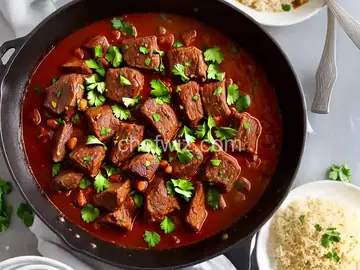
In a medium bowl, combine 2 grated garlic cloves, 1 cup plain whole-milk yogurt, 3 tablespoons finely chopped mint, 1 teaspoon Diamond Crystal or ½ teaspoon Morton kosher salt, and 1 tablespoon water. Stir well and refrigerate the yogurt sauce.
Heat 1 tablespoon extra-virgin olive oil in a large Dutch oven or heavy pot over medium heat.
Break 1 pound ground beef into large clumps (about 3 inches) and add to the pot. Season with 1 teaspoon Diamond Crystal or ½ teaspoon Morton kosher salt.
Cook the meat undisturbed until it is browned underneath and some fat has cooked out, approximately 6-8 minutes.
Break up the meat with a wooden spoon, then add 2 finely chopped large onions and the remaining 6 finely chopped garlic cloves.
Stir in 1½ teaspoons ground coriander, 1½ teaspoons ground cumin, ¾ teaspoon cayenne pepper, and the remaining 1 teaspoon Diamond Crystal or ½ teaspoon Morton kosher salt.
Cook, stirring occasionally, until the onions are softened, approximately 6-8 minutes.
Add 3 tablespoons double-concentrated tomato paste and cook, stirring, until the tomato paste is darkened in color, about 2 minutes.
Pour in one 28-ounce can crushed tomatoes and 2 cups water. Stir to combine.
Bring
Have you ever wondered what makes Afghan cuisine so unique and flavorful? Well, look no further than Afghan pasta - a staple dish that showcases the rich culinary traditions of Afghanistan. In this article, we will take you on a gastronomic journey through the fascinating world of Afghan pasta, exploring its origins, flavors, and cultural significance.
Afghan pasta, also known as mantu, is believed to have its roots in Central Asia. Similar to dumplings found in other cuisines, Afghan pasta is made by stuffing dough with a variety of fillings, such as ground meat, onions, and spices. The dumplings are then steamed or boiled until cooked to perfection.
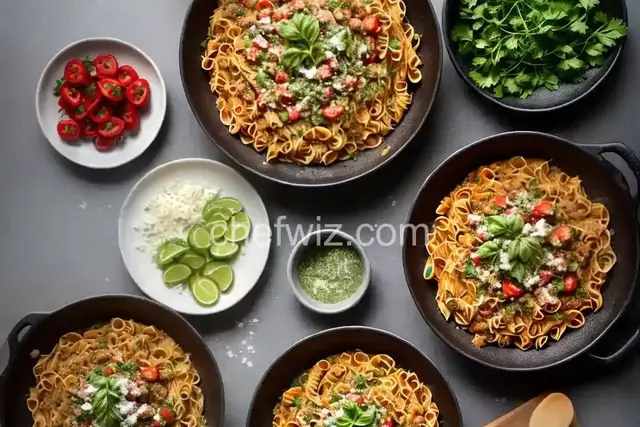
Traditionally, Afghan pasta is served with a rich tomato-based sauce and topped with a dollop of yogurt and a sprinkle of dried mint. The combination of flavors creates a tantalizing taste that is both comforting and satisfying.
One of the defining features of Afghan pasta is its bold and aromatic flavors. The use of spices such as cumin, coriander, and turmeric adds depth and complexity to the dish. The filling, usually made with ground meat, is seasoned with a blend of spices that infuse the dumplings with a burst of flavor.
But it's not just the flavors that make Afghan pasta so special; it's also the texture. The soft, pillowy dumplings combined with the velvety sauce create a delightful contrast that is both satisfying and indulgent.
Afghan pasta holds a special place in Afghan culture and is often prepared for special occasions and gatherings. It is a dish that brings people together, symbolizing unity and hospitality. In Afghan households, making pasta is a labor of love, with family members coming together to prepare the dumplings and share in the joy of cooking.
Furthermore, Afghan pasta is a reflection of Afghanistan's rich history and diverse influences. The dish combines elements of Central Asian, Middle Eastern, and Indian cuisines, showcasing the country's unique blend of flavors and culinary traditions.
Afghan pasta is more than just a dish; it's a culinary experience that encapsulates the rich history, flavors, and hospitality of Afghanistan. Whether you choose to savor it at a restaurant or make it at home, Afghan pasta is sure to transport you to a world of tantalizing tastes and warm memories. So, why not embark on a flavorful journey and discover the wonders of Afghan cuisine through its beloved pasta?
No, Afghan pasta is quite different from Italian pasta. While Italian pasta is typically made from wheat flour and eggs, Afghan pasta is made with a simple dough of flour, water, and salt. Additionally, the flavors and fillings used in Afghan pasta are distinctively different from Italian pasta dishes.
Absolutely! Making Afghan pasta at home is a wonderful way to explore Afghan cuisine. With a few basic ingredients and some patience, you can create delicious dumplings that will transport you to the vibrant streets of Afghanistan.
Some popular fillings for Afghan pasta include ground beef or lamb mixed with onions, garlic, and spices. Vegetarian fillings made with lentils and vegetables are also common.
Yes, Afghan pasta can be frozen for later consumption. After cooking the dumplings, let them cool completely, then place them in airtight containers or freezer bags. When you're ready to enjoy them, simply reheat them in a steamer or microwave.
Afghan pasta comes in various shapes and sizes, each with its own unique name. Some popular variations include aushak, which are larger dumplings filled with leeks, and manti, which are smaller dumplings served with a yogurt-based sauce.
While the sauce is an integral part of the dish, you can still enjoy Afghan pasta without it. The dumplings themselves are flavorful and delicious, and can be enjoyed on their own or with a simple drizzle of olive oil.
Afghan pasta is not typically spicy. The flavors are more focused on aromatic spices rather than heat. However, you can always adjust the spices to your taste preferences and add a bit of chili powder or chili flakes if you prefer a spicier kick.
Afghan restaurants and eateries around the world often feature Afghan pasta on their menus. If you're curious to try this delightful dish, seek out Afghan restaurants in your area or explore Afghan cuisine during your travels.
AprilCook, recipe developer and the heart of Chefwiz. More about April