4-3-2-1 Spice Rub
Rate this recipeBe the first to rate
 By AprilPublished
 Imagine sinking your teeth into a perfectly grilled steak, bursting with flavor and seasoned to perfection.
 By AprilPublished
 Imagine sinking your teeth into a perfectly grilled steak, bursting with flavor and seasoned to perfection.
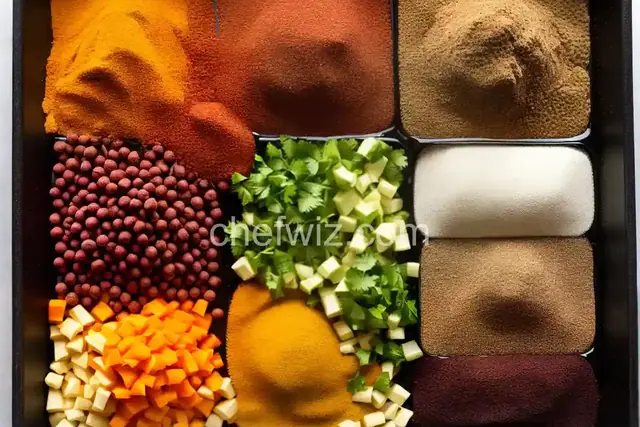
In a small bowl or resealable container, mix together salt, brown sugar, paprika, and cayenne.
If desired, you can prepare this rub in advance. It can be made up to 2 months ahead. Ensure it is stored in an airtight container at room temperature.
Imagine sinking your teeth into a perfectly grilled steak, bursting with flavor and seasoned to perfection. The secret behind such a culinary masterpiece lies in the humble spice rub. A well-crafted spice rub can elevate any dish, turning it from ordinary to extraordinary. But what exactly makes a great spice rub?
Like a tightrope walker, a spice rub must strike the perfect balance. It should neither overpower the dish nor fade into the background. The right combination of spices will dance on your taste buds, creating a symphony of flavors that enhances the natural essence of the food.
Just like a well-orchestrated melody, a spice rub should bring together a harmonious blend of flavors. Each spice should complement the others, enhancing the overall taste profile. It's all about finding the perfect synergy that brings out the best in every ingredient.
Introducing the 4-3-2-1 spice rub method, a foolproof way to create a flavorful masterpiece every time. This simple formula involves using four parts of one spice, three parts of another, two parts of a third, and one part of a fourth. By following this method, you can achieve a well-balanced and deeply flavorful spice rub.
Don't be afraid to get creative with your spice rubs. The 4-3-2-1 method serves as a foundation, but you can add your own unique twist by incorporating additional spices or herbs. Experimentation is the key to discovering your own signature blend that will leave your guests begging for the recipe.
A well-crafted spice rub can transform an ordinary dish into a culinary masterpiece. The 4-3-2-1 spice rub method provides a simple and effective way to create a flavorful blend that will elevate your cooking to new heights. So go ahead, unleash your creativity, and embark on a flavor-filled journey that will leave your taste buds craving more!
Yes, the 4-3-2-1 spice rub method is versatile and can be used on various types of meat, such as chicken, pork, beef, or even fish. The key is to adjust the spices according to the flavor profile of the meat you're working with.
It's recommended to let the spice rub sit on the meat for at least 30 minutes to allow the flavors to penetrate. However, for a more intense flavor, you can refrigerate the meat with the spice rub overnight.
Absolutely! The beauty of the 4-3-2-1 spice rub method is its versatility. You can use it to add depth and flavor to roasted vegetables, tofu, or even grilled halloumi. Adjust the amount of spice rub according to your personal taste preferences.
Toasting the spices before making the spice rub is optional but highly recommended. Toasting releases the essential oils in the spices, intensifying their flavors and aromas. Simply heat a dry skillet over medium heat and toast the spices for a couple of minutes until fragrant.
Absolutely! The spice rub can be stored in an airtight container in a cool, dark place for up to six months. Make a larger batch and keep it on hand to elevate your dishes whenever the craving strikes.
While the 4-3-2-1 spice rub method is primarily designed for dry rubs, you can certainly incorporate it into marinades as well. Simply combine the spice rub with your preferred liquid ingredients, such as oil, vinegar, or citrus juice, to create a flavorful marinade.
While there are no strict rules when it comes to spice combinations, some flavors may clash when used in excess. It's best to start with small amounts and adjust accordingly. Trust your taste buds and experiment to find the perfect balance.
Definitely! The 4-3-2-1 spice rub method can be applied to various dishes, such as roasted potatoes, grilled corn, or even popcorn. The key is to adjust the quantities according to the amount of food you're seasoning.
AprilCook, recipe developer and the heart of Chefwiz. More about April