3 Milk Cake or Tres Leches
Rate this recipeBe the first to rate
 By AprilPublished
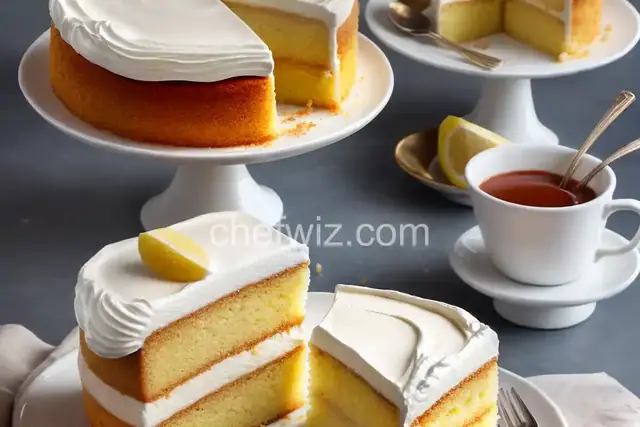
 Have you ever tried a slice of 3 Milk Cake, also known as Tres Leches?
 By AprilPublished
 Have you ever tried a slice of 3 Milk Cake, also known as Tres Leches?
Preheat the oven to 350 degrees F (175 degrees C).
Grease and flour a 9x13-inch baking pan.
In a large bowl, beat the egg whites with an electric mixer until fluffy. Set aside the yolks.
Gradually beat in the sugar until the mixture holds soft peaks.
Beat in the flour gradually, then beat in the milk, reserved egg yolks, melted butter, 4 teaspoons of vanilla extract, and baking powder. Make sure to beat in each ingredient thoroughly before adding the next.
Pour the batter into the prepared baking pan.
Bake in the preheated oven for no more than 30 minutes, or until the cake is browned and crusty on top.
Let the cake cool in the pan for about 10 minutes before gently removing it to finish cooling.
In a bowl, whisk together the sweetened condensed milk, evaporated milk, and half-and-half.
Pour half of the 3-milk mixture into a deeper and longer pan than the cake.
Lay the cake into the milk mixture.
Use a fork to score deep lines into the top of the cake.
Pour the remaining 3-milk mixture over the cake, allowing it to soak in.
In another bowl, beat the cream cheese with 1 teaspoon of vanilla extract using an electric mixer until soft and fluffy.
Gradually beat
Have you ever tried a slice of 3 Milk Cake, also known as Tres Leches? This delightful dessert is a creamy, moist, and indulgent treat that will satisfy your sweet tooth. Imagine sinking your fork into a fluffy cake that has been soaked in a luscious mixture of three different types of milk. It's like a party in your mouth! In this article, we will delve into the world of 3 Milk Cake, exploring its origins, preparation, and why it has become a favorite dessert for many. So, let's dive right in!
Every delicious dish has a fascinating story behind it, and 3 Milk Cake is no exception. Originating from Latin America, particularly in Mexico and Central America, this dessert has a rich history that dates back centuries. It is believed that the concept of soaking cakes in liquids can be traced back to medieval Europe, where they used to soak stale bread in wine or milk to soften it.
However, the modern-day version of 3 Milk Cake as we know it today was popularized in the 19th century in Mexico. The tres leches, meaning "three milks" in Spanish, refers to the three types of milk used in the recipe. These milks typically include condensed milk, evaporated milk, and whole milk or heavy cream.
Now that we know a bit about the history, let's dive into the preparation of this delectable dessert. The key to a perfect 3 Milk Cake lies in the balance of flavors and textures. The cake itself is usually a light sponge cake, which acts as a sponge to soak up the milk mixture.
After baking the cake, it is then poked all over with a fork or skewer to create tiny holes. This allows the milk mixture to seep into the cake, infusing it with incredible moisture. The cake is then generously drenched with the milk mixture, ensuring that every bite is soft, creamy, and absolutely delightful.
Once soaked, the cake needs to be refrigerated for several hours, or even overnight, to allow the flavors to meld together and the cake to soak up all the goodness. Finally, the cake is topped with a layer of whipped cream or meringue, adding a light and airy finish to this already heavenly dessert.
With so many desserts out there, what makes 3 Milk Cake stand out from the crowd? Well, it's all about the incredible combination of flavors and textures. The cake itself is light and airy, while the milk mixture adds a luscious creaminess that is hard to resist. It's like a symphony of flavors in every bite, with the sweetness of the milk mixture perfectly complementing the delicate cake.
Another reason for its popularity is its versatility. 3 Milk Cake can be customized to suit various tastes and preferences. From adding a hint of vanilla or cinnamon to infusing the milk mixture with a splash of rum or coffee, the possibilities are endless. This versatility allows for a unique twist on the classic recipe, making it a dessert that can be enjoyed by everyone.
Whether you're celebrating a special occasion or simply craving a decadent treat, 3 Milk Cake is sure to satisfy your dessert cravings. So, why not give this delightful dessert a try and experience the magic of three milks?
3 Milk Cake, or Tres Leches, is a heavenly dessert that has captured the hearts and taste buds of many. Its rich history, moist texture, and combination of flavors make it a favorite choice for any occasion. So why not indulge in a slice of this delectable treat and experience the magic of three milks?
Yes, you can experiment with different types of milk to create your own twist on this classic dessert. However, keep in mind that the traditional recipe uses condensed milk, evaporated milk, and whole milk or heavy cream for the perfect balance of flavors and textures.
It is recommended to refrigerate the cake for at least 4 hours, or overnight if possible. This allows the cake to fully soak up the milk mixture and enhances the overall flavor and texture.
Absolutely! In fact, making 3 Milk Cake in advance is a great idea as it allows the flavors to meld together even more. Just make sure to store it in an airtight container in the refrigerator until you're ready to serve.
While it is possible to freeze 3 Milk Cake, it is not recommended as the texture may change once thawed. The cake may become soggy, compromising the overall taste and texture.
Absolutely! Feel free to get creative with your toppings. Fresh fruits like strawberries or peaches can add a refreshing touch, while a drizzle of caramel or chocolate sauce can take it to the next level of indulgence.
The traditional recipe for 3 Milk Cake is not gluten-free as it typically uses all-purpose flour. However, you can experiment with gluten-free flour alternatives to make it suitable for those with gluten sensitivities or dietary restrictions.
Yes, you can! Instead of making a large cake, you can bake the sponge cake in individual ramekins or cupcake liners. This allows for easy portion control and makes for an elegant presentation.
Yes, if you have dietary restrictions or prefer non-dairy alternatives, you can substitute the milk mixture with non-dairy options like coconut milk or almond milk. Just keep in mind that the flavor and texture may be slightly different from the traditional recipe.
AprilCook, recipe developer and the heart of Chefwiz. More about April