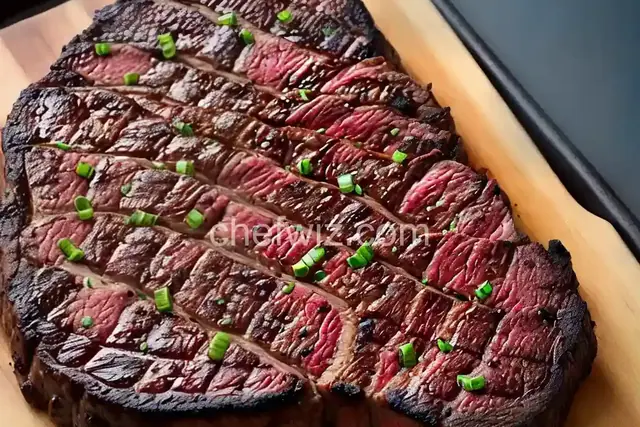
3 inch thick ribeye steak on BBQ
Rate this recipeBe the first to rate
 By AprilPublished
 Are you ready to take your grilling skills to the next level?
 By AprilPublished
 Are you ready to take your grilling skills to the next level?
Sprinkle salt and pepper on both sides of the meat.
Heat a pan to 450 degrees and cook the meat for 6 minutes on each side until seared.
Transfer the seared meat to an oven preheated to 300 degrees and roast for 12 minutes on each side, or until the internal temperature reaches 130 degrees.
Allow the meat to rest for 10 minutes.
Serve and enjoy your meal.
Are you ready to take your grilling skills to the next level? If so, then it's time to tackle the challenge of cooking a 3-inch thick ribeye steak on the BBQ. This mouthwatering cut of meat is known for its tenderness and rich flavor, but it requires some special techniques to ensure it's cooked to perfection. In this article, we'll explore the best methods for grilling a thick ribeye steak, from prepping the meat to achieving that perfect sear.
Before you fire up the grill, it's important to properly prepare your ribeye steak. Start by seasoning the meat generously with salt and pepper, allowing the flavors to penetrate the steak. For an extra kick, you can add your favorite herbs and spices to the mix. Let the steak sit at room temperature for about 30 minutes to ensure even cooking.
When it comes to grilling a thick ribeye steak, indirect heat is your best friend. Set up your BBQ for two-zone cooking by preheating one side to high heat and leaving the other side unlit. This allows you to sear the steak over direct heat and then finish it off with indirect heat to achieve that beautiful medium-rare doneness.
Place the seasoned ribeye steak directly over the hot side of the grill. Let it sear for about 2-3 minutes per side to develop a delicious crust. This high-heat sear will lock in the juices and create those coveted grill marks. Once both sides are seared, move the steak to the cooler side of the grill to continue cooking.
Cooking a thick ribeye steak to perfection requires patience and precision. Continue grilling the steak over indirect heat until it reaches your desired level of doneness. Use a meat thermometer to ensure accuracy – for medium-rare, aim for an internal temperature of 130°F (54°C). Remember to let the steak rest for a few minutes before slicing to allow the juices to redistribute throughout the meat.
Now that your 3-inch thick ribeye steak is perfectly cooked, it's time to enjoy the fruits of your labor. Serve the steak as the star of the show, or pair it with your favorite sides and sauces. Whether it's a loaded baked potato, grilled asparagus, or a tangy chimichurri sauce, the possibilities are endless. Get creative and let your taste buds be your guide.
Grilling a 3-inch thick ribeye steak on the BBQ is a culinary adventure that rewards those who are willing to put in the effort. With the right preparation and cooking techniques, you can achieve a juicy, flavorful steak that will impress your family and friends. So, fire up the grill, grab your tongs, and get ready to savor the incredible flavors of a perfectly cooked ribeye steak.
While the thickness of a ribeye steak is a matter of personal preference, a 3-inch thick cut is recommended for grilling to ensure a juicy and tender result.
Absolutely! Gas grills are perfect for cooking thick ribeye steaks. Just make sure to follow the same two-zone cooking method and adjust the heat accordingly.
It's best to let the steak rest for about 5-10 minutes before slicing. This allows the juices to redistribute, resulting in a more flavorful and tender steak.
While marinating is not necessary for a thick ribeye steak, you can certainly do so if you prefer. Just keep in mind that the meat is already packed with flavor, so a simple seasoning will suffice.
For searing the steak, preheat the grill to high heat (around 450°F / 230°C). For finishing it off, maintain a temperature of around 350°F (175°C) using indirect heat.
It is not recommended to grill a frozen ribeye steak, as it may result in uneven cooking. Thaw the steak completely before grilling for the best results.
To prevent flare-ups, trim excess fat from the steak and keep a close eye on the grill. If flare-ups occur, temporarily move the steak away from the flames until they subside.
The techniques described in this article can be applied to other thick cuts of steak, such as porterhouse, T-bone, or New York strip. Adjust the cooking times according to the thickness of the steak.
AprilCook, recipe developer and the heart of Chefwiz. More about April