Paella
Rate this recipeBe the first to rate
 By AprilPublished
 Have you ever tasted a dish that takes you on a journey to a far-off land?
 By AprilPublished
 Have you ever tasted a dish that takes you on a journey to a far-off land?
Preheat a wok over medium-high heat.
Cook hot and mild Italian sausage pieces in the wok until they are browned on all sides.
Remove the sausage pieces from the wok.
In the same wok, cook chicken strips in the drippings from the sausage until they are browned.
Remove the chicken from the wok.
In the same wok, sauté onions, green pepper, celery, and garlic for about 5 minutes or until they are tender.
Add uncooked rice, tomatoes, bay leaves, salt, oregano, and turmeric to the wok.
Cook and stir the mixture for 1 minute.
Mix in the reserved tomato juice and chicken broth.
Add the chicken pieces back to the wok, cover, and simmer for about 20 minutes.
Add the sausage back to the mixture and continue to simmer for 15 minutes.
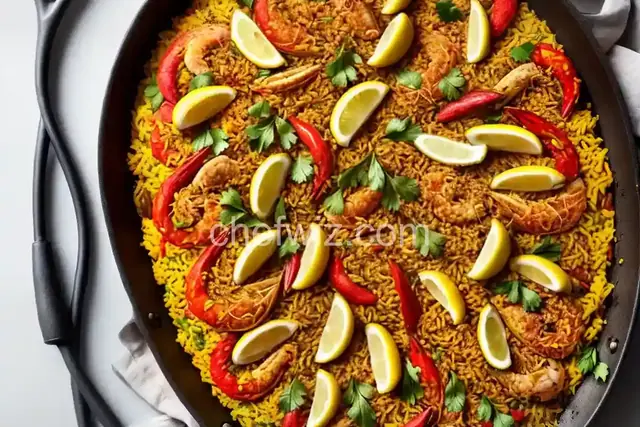
Stir in the shrimp, cover, and cook for an additional 5 to 10 minutes or until the shrimp is cooked through.
Have you ever tasted a dish that takes you on a journey to a far-off land? A dish that tantalizes your taste buds and transports you to the vibrant streets of Spain? Look no further than paella, a culinary masterpiece that captures the essence of Spanish cuisine. In this article, we will explore the origins of paella, its diverse variations, and the secrets to creating a perfect paella at home.
Paella, derived from the Latin word "patella" meaning pan, is a traditional Spanish dish that originated in the Valencia region. It was originally prepared by the farmers and peasants as a communal meal, cooked over an open fire. The ingredients for paella were simple and readily available - rice, saffron, vegetables, and whatever meat or seafood was on hand.
Just like the cultural melting pot that is Spain, paella has evolved over the years to incorporate various regional flavors. The Valencian paella, considered the original version, features rabbit, chicken, and snails. The seafood paella, popular along the coastal regions, highlights the freshness of the ocean with a medley of shrimp, mussels, and squid. And for the adventurous souls, vegetarian and vegan versions of paella showcase the bounty of the land.
Creating an authentic paella requires attention to detail and a few secret techniques. The most crucial element is the rice - a short-grain variety like Bomba or Calasparra, which absorbs flavors while retaining its texture. Saffron, the golden spice, infuses the dish with its distinct aroma and vibrant color. But it's not just the ingredients that make the magic happen; it's the slow and deliberate cooking process that allows the flavors to meld together, creating a symphony of tastes.
Now that we understand the essence of paella, let's dive into the steps to create this culinary delight in the comfort of your own kitchen.
Before embarking on your paella adventure, gather all the necessary ingredients. From rice and saffron to your choice of protein and vegetables, ensure you have everything on hand to avoid any last-minute trips to the grocery store.
A wide, shallow pan called a "paellera" is the ideal vessel for cooking paella. Its large surface area allows the rice to cook evenly and develop a delicious crust known as "socarrat." If you don't have a paellera, a large skillet or a Dutch oven can serve as an alternative.
The process of making paella begins with sautéing the meat or seafood in olive oil until browned. This step imparts a depth of flavor to the dish. Next, add the vegetables and rice, stirring to coat them with the oil and juices. Then, the star of the show - saffron-infused broth - is poured over the mixture, creating a rich and aromatic base.
Once everything is combined, resist the temptation to stir the paella. Instead, let it simmer gently over a low flame, allowing the flavors to meld together. As the rice absorbs the broth, it transforms into a delectable symphony of flavors.
Finishing Touches
As the paella nears completion, the rice forms a caramelized crust on the bottom of the pan, adding a delightful crunch to each bite. This coveted layer, known as "socarrat," is a testament to a well-cooked paella. Serve it with a squeeze of lemon and a sprinkle of fresh herbs to elevate the dish to new heights.
Paella is more than just a dish; it is a sensory experience that brings people together. From the vibrant colors to the harmonious blend of flavors, each bite of paella tells a story of tradition and culture. So, why not embark on a culinary adventure and create your own paella masterpiece? Invite your loved ones to the table, and let the magic of paella transport you to the sun-kissed shores of Spain.
While saffron is an essential ingredient in paella, you can substitute it with turmeric for a similar golden hue. However, keep in mind that saffron adds a unique flavor that cannot be replicated.
For the best results, use a short-grain rice like Bomba or Calasparra. These types of rice absorb flavors while retaining their texture, resulting in a perfectly cooked paella.
Absolutely! Paella is incredibly versatile, and you can create a delicious vegetarian or vegan version by using vegetable broth and a medley of fresh vegetables. Get creative and explore the flavors of the land.
The key to achieving the coveted socarrat is to let the paella simmer undisturbed over a low flame. This allows the rice to develop a caramelized crust on the bottom, adding a delightful crunch to each bite.
While paella is best enjoyed fresh, you can certainly reheat leftovers. To retain the flavors and textures, gently warm the paella in a pan, adding a splash of broth if needed.
Yes, you can freeze paella for future enjoyment. Allow it to cool completely, portion it into airtight containers, and freeze. When ready to enjoy, thaw it in the refrigerator overnight and reheat gently on the stovetop.
Absolutely! Paella is a versatile dish that welcomes creativity. Feel free to experiment with different ingredients, spices, and flavors to make it your own culinary masterpiece.
Paella pairs wonderfully with a variety of wines. For seafood-based paella, a crisp white wine like Albariño or Verdejo complements the flavors. For meat-based paella, a medium-bodied red like Tempranillo or Garnacha is an excellent choice.
AprilCook, recipe developer and the heart of Chefwiz. More about April