Ginger Ale
Rate this recipeBe the first to rate
 By AprilPublished
 When it comes to fizzy drinks, few can rival the crisp and invigorating taste of ginger ale.
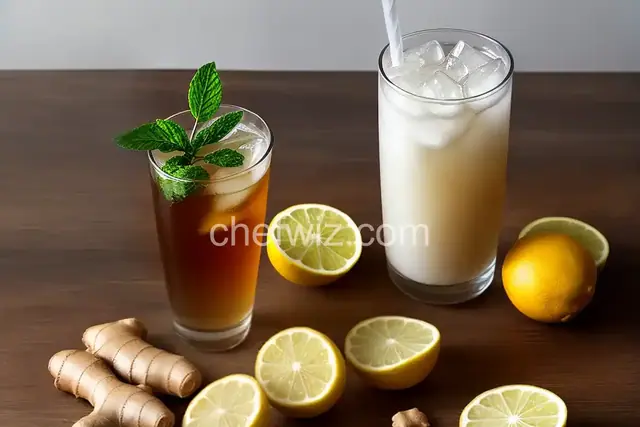 By AprilPublished
 When it comes to fizzy drinks, few can rival the crisp and invigorating taste of ginger ale.
In a 2-quart saucepan, combine ginger, sugar, and 1/2 cup of water. Place the saucepan on medium-high heat and stir until the sugar is completely dissolved.
Remove the saucepan from heat and cover it. Let the mixture steep for 1 hour.
Using a fine mesh strainer set over a bowl, strain the syrup, pressing down to extract all the juice from the mixture.
To quickly chill the syrup, either place the bowl over an ice bath and stir, or leave it uncovered in the refrigerator until it reaches a temperature between 68 to 72 degrees F.
Using a funnel, transfer the syrup into a clean 2-liter plastic bottle. Add the yeast, lemon juice, and the remaining 7 cups of water.
Securely cap the bottle and gently shake it to combine the ingredients. Leave the bottle at room temperature for 48 hours.
After 48 hours, open the bottle and check the level of carbonation. Once you achieve your desired amount of carbonation, refrigerate the ginger ale.
Store the ginger ale in the refrigerator for up to 2 weeks. Remember to open the bottle at least once a day to release excess carbonation.
When it comes to fizzy drinks, few can rival the crisp and invigorating taste of ginger ale. Whether you're sipping it on its own or using it as a mixer for your favorite cocktail, ginger ale is a versatile beverage that never fails to please. But what exactly sets ginger ale apart from other carbonated drinks? And how does it achieve that distinctive ginger flavor? Let's dive in and explore the fascinating world of ginger ale.
Believe it or not, ginger ale has a long and storied history that dates back to the 19th century. It was originally created as a medicinal tonic to soothe upset stomachs and aid digestion. The natural properties of ginger, such as its anti-inflammatory and anti-nausea effects, made it a popular choice for those seeking relief from various ailments.
Over time, ginger ale evolved from being a purely medicinal drink to a beloved beverage in its own right. Its effervescent nature and zingy ginger kick made it a hit among people of all ages. Today, ginger ale is enjoyed not only for its taste but also for its ability to quench thirst and provide a refreshing pick-me-up.
One of the key features of ginger ale is its carbonation, which gives it that delightful fizz and effervescence. But how exactly are those bubbles created? The secret lies in a process known as carbonation.
Carbonation occurs when carbon dioxide gas is dissolved in a liquid, such as water. In the case of ginger ale, carbonation is achieved through the addition of carbon dioxide under pressure. This process not only adds the desired bubbles but also enhances the overall taste and mouthfeel of the drink.
Of course, the star ingredient in ginger ale is none other than ginger itself. Ginger is a root known for its distinctive flavor and aroma, as well as its numerous health benefits. When ginger is added to the mix, it infuses the drink with its signature spicy and slightly sweet taste.
But what gives ginger ale its unique flavor profile? The answer lies in the compounds found in ginger, such as gingerol and shogaol. These compounds not only contribute to the drink's distinct taste but also possess antioxidant and anti-inflammatory properties, making ginger ale a potentially healthy choice.
Whether you're looking for a refreshing beverage to enjoy on a hot summer day or a zesty mixer for your favorite cocktail, ginger ale is a versatile drink that fits the bill. Its crisp and tangy flavor profile makes it a crowd-pleaser, while its carbonation adds a delightful effervescence that tickles the taste buds.
From sipping it straight from the can to using it as a base for a homemade mocktail, the possibilities with ginger ale are endless. So the next time you're in need of a thirst-quenching and flavor-packed drink, reach for a bottle of ginger ale and prepare to be pleasantly surprised.
Ginger ale is more than just a fizzy drink; it's a flavorful and refreshing experience that tantalizes the taste buds. From its origins as a medicinal tonic to its place as a beloved beverage, ginger ale has come a long way. With its carbonation, zingy ginger flavor, and endless versatility, ginger ale is a drink that never fails to delight. So, the next time you're in need of a thirst-quencher, reach for a bottle of ginger ale and let its magic wash over you.
Yes, ginger ale has long been used as a natural remedy for soothing an upset stomach and aiding digestion.
No, ginger ale is typically caffeine-free, making it a great choice for those looking to avoid or reduce their caffeine intake.
Absolutely! Making homemade ginger ale is a fun and rewarding activity. You can find numerous recipes online to guide you through the process.
While ginger ale is generally considered safe for children, it's always advisable to consult with a healthcare professional, especially for infants and young children.
Yes, ginger ale is a popular mixer for a wide range of cocktails, adding a zesty kick and effervescence to the drink.
Yes, ginger ale and ginger beer are two distinct beverages. Ginger beer is typically spicier and has a more pronounced ginger flavor compared to ginger ale.
While ginger ale contains ginger, which has potential health benefits, it's important to note that the amounts of ginger in commercial ginger ale may vary. For maximum health benefits, consider opting for ginger ale made with real ginger or making your own at home.
Absolutely! Ginger ale is a fantastic non-alcoholic beverage option, perfect for those who prefer to abstain from alcohol or are looking for a refreshing and flavorful alternative.
AprilCook, recipe developer and the heart of Chefwiz. More about April