Guide
Thicken Your Gravy Without Flour: Here's How.
Explore my easy guide on "how to thicken gravy without flour". Uncover kitchen secrets & amp up your meals with silky, rich gravies every time!
 By April14 min read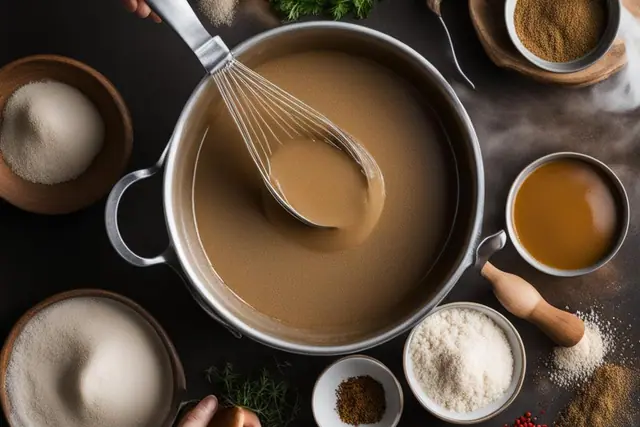
In this guide
- Reducing the Liquid: A Simple Method to Thicken Gravy
- Using Cornstarch: A Gluten-Free Gravy Thickener
- Thickening Gravy with Flour: A Traditional Method
- Exploring Alternative Gravy Thickeners
- Tips for Fixing Lumpy Gravy
- How to Fix Salty Gravy
- Sauce-Thickening Techniques: Enhancing Flavor and Consistency
- Tips for Healthier Sauce-Thickening Alternatives
- Conclusion
- Source Links
- FAQ
Are you looking to thicken your gravy without using flour? In the culinary world, there are plenty of techniques and alternatives you can try to achieve a silky, rich gravy that will enhance your meals and impress your guests. Whether you're a seasoned cook or a kitchen enthusiast, these methods will help you achieve the desired thickness and flavor without flour.
Reducing the Liquid: A Simple Method to Thicken Gravy
One easy way to thicken gravy is to simply reduce the liquid. Start by adding any pan drippings to a saucepan and then pour in 1 cup of liquid. Simmer the mixture on medium-high heat, stirring occasionally, until the liquid reduces by at least a third and the flavors become more concentrated. This method is a quick and effective way to achieve a thicker consistency for your gravy.
Reducing the liquid is a technique that allows the natural flavors of the gravy to intensify while removing excess moisture. As the liquid simmers and evaporates, the gravy becomes thicker and more robust in taste. This method is particularly useful when you want to enhance the flavor profile of your gravy without adding additional thickeners.
By reducing the liquid, you can create a rich and velvety gravy that pairs perfectly with your main course. The concentrated flavors will add depth and complexity to your dishes, impressing your guests and elevating your culinary skills. So next time you're making gravy, try reducing the liquid for a simple yet effective thickening method.
Table: Comparison of Different Gravy Thickening Methods
| Thickening Method | Pros | Cons |
|---|---|---|
| Reducing the Liquid | - Enhances the flavors - Quick and easy - No additional thickeners needed |
- Requires time for reduction - May not produce a very thick consistency |
| Using Cornstarch | - Gluten-free option - Creates a smooth texture - Can achieve a thicker consistency |
- May require additional steps (creating a slurry) - Can result in a slightly translucent appearance |
| Using Flour | - Traditional method - Easy to find and use - Can achieve a thick and creamy texture |
- Not suitable for gluten-free diets - May result in a cloudy appearance |
| Exploring Alternative Thickeners | - Provides a range of options - Can cater to dietary restrictions - Adds unique flavors |
- May require experimentation to find the right alternative - Different thickeners may have different ratios |
As seen in the comparison table above, reducing the liquid offers a simple and convenient method for thickening gravy. However, if you prefer to explore alternative thickeners or require gluten-free options, there are various techniques available. The key is to choose a method that suits your preferences and dietary needs, ensuring that you achieve a deliciously thickened gravy every time.
Using Cornstarch: A Gluten-Free Gravy Thickener
When it comes to thickening gravy without flour, cornstarch is a versatile and gluten-free alternative. With the right technique, you can achieve a smooth and silky texture that enhances the flavor of your gravy. Let me show you how to thicken gravy with cornstarch using a simple slurry method.
https://www.youtube.com/watch?v=wndGXOoqRLs
To begin, the general ratio for thickening gravy with cornstarch is 1 tablespoon per 1 cup of liquid. If you prefer a thicker consistency, you can use 2 tablespoons of cornstarch instead. It's important to create a slurry by mixing the cornstarch with 1 to 2 tablespoons of water before adding it to your hot liquid. This helps to prevent clumps and ensures a smooth texture.
Another option is to strain the dry cornstarch through a fine-mesh sieve before adding it to the gravy. This step helps to remove any lumps that may form during the process. Once you've prepared your slurry or strained cornstarch, add it to the hot liquid gradually while whisking or stirring continuously. This prevents lumps from forming and ensures even distribution.
Continue to whisk or stir the gravy until it thickens to your desired consistency. Keep in mind that cornstarch may take a little longer to thicken compared to flour, but it will eventually reach the desired thickness. Once your gravy is thickened, remove it from the heat and serve it alongside your favorite dishes. Enjoy a delicious and gluten-free gravy that adds a touch of richness to your meals!
Thickening Gravy with Flour: A Traditional Method
When it comes to thickening gravy, using flour is a tried-and-true traditional method that has been used for generations. By creating a roux or a slurry, you can achieve a smooth and luscious texture that adds body to your gravy. Here's how to thicken gravy with flour.
To create a roux, combine equal parts fat and all-purpose flour. This can be butter, oil, or even the drippings from your meat. Heat the fat in a saucepan over medium heat and gradually whisk in the flour until it forms a smooth paste. Cook the roux for a few minutes, stirring constantly, until it turns a light golden color. Then, gradually add the hot liquid (such as broth or stock) to the roux, whisking continuously until the gravy reaches the desired thickness.
If you prefer to use a slurry, simply mix raw flour with a little water to create a smooth paste. Gradually add the slurry to the hot liquid, whisking or stirring constantly to prevent lumps from forming. Continue to cook and stir until the gravy thickens to your liking.
Flour Ratio for Thickening Gravy
The ratio for thickening gravy with flour is typically 2 tablespoons of flour per 1 cup of liquid. However, you can adjust the amount of flour based on your desired consistency. If you prefer a thicker gravy, you can add more flour, or if you prefer a thinner gravy, you can use less flour. It's all a matter of personal preference.
Keep in mind that using flour to thicken gravy may result in a slightly cloudy appearance. However, the flavor and texture will still be delicious, making it a popular choice for many home cooks and chefs alike.
Exploring Alternative Gravy Thickeners
If you don't have cornstarch or flour on hand, there are plenty of alternatives you can use to thicken your gravy. These alternatives are not only suitable for those following a gluten-free diet but also add unique flavors and textures to your dish. Here are some options:
Arrowroot Powder
Arrowroot powder is a gluten-free alternative to cornstarch and flour. It has a neutral taste and produces a glossy finish when used as a thickener. To use arrowroot powder, create a slurry by mixing 2 to 3 tablespoons with water. Add the slurry to the hot liquid and stir until the gravy thickens to your desired consistency.
Tapioca Starch
Tapioca starch is another gluten-free option that can be used to thicken gravy. It is derived from the cassava plant and has a slightly sweet taste. To use tapioca starch, mix 1 ½ teaspoons of it with a small amount of water to create a slurry. Add the slurry to the hot liquid and stir until the gravy thickens.
Vegetable Puree
For a unique twist, you can use vegetable purees to thicken your gravy. Roasted or boiled vegetables such as cauliflower or potatoes can be pureed and added to the gravy. This not only adds thickness but also imparts additional flavor and nutrients to your dish. Simply blend the cooked vegetables until smooth and stir them into the gravy until well incorporated.
Table: Alternative Gravy Thickeners
| Alternative Thickener | Usage |
|---|---|
| Arrowroot Powder | Mix 2 to 3 tablespoons of arrowroot powder with water to create a slurry. Add the slurry to the hot liquid and stir until the gravy thickens. |
| Tapioca Starch | Mix 1 ½ teaspoons of tapioca starch with water to create a slurry. Add the slurry to the hot liquid and stir until the gravy thickens. |
| Vegetable Puree | Puree roasted or boiled vegetables such as cauliflower or potatoes and stir them into the gravy until well incorporated. |
These alternative thickeners offer a variety of options for those looking to explore new flavors and dietary preferences. Experiment with these alternatives to find the perfect thickening agent for your gravy, and enjoy a unique and delicious twist on this classic sauce.
Tips for Fixing Lumpy Gravy
Fixing lumpy gravy can be a frustrating experience, but with a few simple tips, you can achieve a smooth and creamy texture that will elevate your dish. Here are some techniques to help you fix lumpy gravy:
- Strain the Dry Cornstarch or Flour: If you're using cornstarch or flour as a thickening agent and notice lumps in your gravy, strain the dry ingredient through a fine-mesh sieve before adding it to the mixture. This will remove any clumps and ensure a smoother consistency.
- Thorough Incorporation: To prevent lumps from forming, it's crucial to thoroughly incorporate the thickening agent into the hot liquid. Whisk or stir constantly while adding the cornstarch or flour, making sure to break down any clumps that may form.
- Whisking or Stirring: Continuously whisk or stir the gravy as it cooks to help break down any lumps that may have formed. This will promote even heat distribution and ensure a smooth texture throughout.
By following these tips, you can salvage lumpy gravy and transform it into a silky and delicious addition to your meal.
Quote:
"With a little patience and the right techniques, you can transform lumpy gravy into a velvety-smooth delight." - Chef Emily
Remember, fixing lumpy gravy is all about attention to detail and taking the time to incorporate the thickening agent properly. With a little practice, you'll be able to effortlessly create luscious and lump-free gravy every time.
How to Fix Salty Gravy
If you find that your gravy has turned out too salty, don't worry! There are simple and effective ways to fix it. One method is to dilute the saltiness by adding more unsalted liquid or broth to the gravy. This will help to balance out the flavors and reduce the intensity of the salt. Just add a little at a time, tasting as you go, until you achieve the desired taste.
Another way to fix salty gravy is by adding a small amount of acid. Acidic ingredients such as lemon juice or vinegar can help counteract the saltiness and restore a more balanced flavor. Start with a teaspoon of acid, taste the gravy, and add more if needed. Be careful not to overdo it, as too much acid can overwhelm the other flavors in the gravy.
Remember, fixing salty gravy is all about finding the right balance. By diluting the gravy with unsalted liquid and adding a touch of acid, you can rescue your gravy and enjoy a delicious, well-seasoned sauce. Experiment with these techniques and adjustments to find the perfect flavor that suits your taste buds.
- Dilute the saltiness by adding more unsalted liquid or broth gradually until the desired taste is achieved.
- Add a small amount of acid, such as lemon juice or vinegar, to balance the flavors. Start with a teaspoon and adjust to taste.
- Remember to taste and adjust as you go to find the right balance for your gravy.
With these simple remedies, you can salvage your salty gravy and serve a delicious and well-seasoned sauce that will impress your guests. Don't let a little too much salt ruin your meal - a few easy adjustments can make all the difference!
Sauce-Thickening Techniques: Enhancing Flavor and Consistency
When it comes to thickening sauces, there are various techniques you can employ to achieve the desired flavor and consistency. Whether you're looking to create a rich reduction or add extra thickness, these sauce-thickening methods can elevate your culinary creations. Let's dive into some popular techniques:
Reduction and Simmering
One of the simplest ways to thicken your sauce is by reducing the liquid through simmering. This process involves cooking the sauce uncovered over low heat for an extended period, allowing the flavors to intensify and the liquid to evaporate. As the sauce simmers, it naturally thickens, resulting in a more concentrated and luscious texture. This technique works particularly well for sauces that contain ingredients with high water content, such as tomatoes or broth-based sauces.
Tomato Paste: Adding Flavor and Body
Tomato paste not only adds a burst of savory flavor to your sauce but also acts as a natural thickening agent. It contains concentrated tomato solids that contribute to the thickness and richness of the sauce. Simply stir in a spoonful of tomato paste while simmering your sauce to achieve the desired consistency. The tomato paste blends seamlessly, enhancing both the taste and texture of your sauce.
Butter and Egg Yolk: Creamy and Velvety Texture
If you're aiming for a creamy and velvety texture in your sauce, consider incorporating butter or egg yolk. These ingredients add richness and smoothness, elevating the overall mouthfeel of the sauce. Swirling in a pat of butter towards the end of the cooking process can provide a slight thickening boost, while whisking in an egg yolk adds silkiness and a luxurious finish. These additions lend a touch of indulgence to your sauce, transforming it into a delectable culinary delight.
As you experiment with these sauce-thickening techniques, remember that a well-thickened sauce enhances the overall dining experience, transforming ordinary dishes into extraordinary ones. Whether you choose to reduce and simmer, add tomato paste for depth, or incorporate butter and egg yolk for creaminess, each technique brings its own unique qualities to the table. Unlock the potential of your sauces by exploring these methods, and elevate every spoonful with the perfect balance of flavor and consistency.
Tips for Healthier Sauce-Thickening Alternatives
When it comes to thickening your sauce in a healthier way, there are several alternatives that you can consider. These options not only provide the desired thickness but also offer added nutritional benefits. Let's explore some of these healthier sauce-thickening alternatives:
Vegetable Purees
Vegetable purees, such as cauliflower or potatoes, can be used as a nutritious and flavorful way to thicken your sauce. Roast or boil the vegetables until they are soft, then puree them until smooth. Stir the vegetable puree into your sauce for added thickness and a boost of vitamins and minerals.
Cashew Cream
If you're looking for a dairy-free alternative, cashew cream is an excellent option. Soak raw cashews in water for a few hours, then blend them until smooth. The creamy texture of cashew cream adds a velvety richness to your sauce while keeping it dairy-free.
Oat Flour
For those looking for a healthier substitute for traditional wheat flour, oat flour is a great choice. Simply grind oats in a blender or food processor until they reach a flour-like consistency. Oat flour can be used as a thickening agent in sauces, providing a nutty flavor and added fiber.
Collagen Peptides
Collagen peptides not only help to thicken your sauce but also offer numerous health benefits. They are rich in amino acids, which can support joint health, improve gut health, and promote radiant skin. Simply dissolve collagen peptides in warm liquid before adding them to your sauce.
By incorporating these healthier sauce-thickening alternatives into your cooking, you can enjoy delicious, flavorful sauces without compromising on nutrition.
Conclusion
As I conclude this article, I hope you have discovered the versatility of thickening gravy without the use of flour. By exploring the various techniques and healthier options, you can elevate the flavor and texture of your gravy while catering to different dietary needs.
From reducing the liquid to using cornstarch, flour, or alternative thickeners, there are numerous ways to achieve the desired consistency for your gravy. Each method brings its own unique qualities and benefits, allowing you to experiment and find the approach that suits your taste preferences and cooking style.
Remember, whether you choose to thicken your gravy by reducing the liquid, using cornstarch, flour, or exploring alternative options, the key is to have fun in the kitchen and get creative with your culinary creations. So go ahead, give these techniques a try, and enjoy a delicious, thickened gravy that will impress your family and friends at every meal.
Source Links
- https://www.realsimple.com/food-recipes/cooking-tips-techniques/how-to-thicken-gravy
- https://www.tasteofhome.com/article/how-to-thicken-sauce/
- https://www.craftybaking.com/blog/post/7-healthier-ways-to-thicken-sauce-without-flour
Frequently asked questions
- How can I thicken gravy without using flour?
There are several techniques and alternatives you can try to thicken gravy without flour. You can reduce the liquid, use cornstarch, explore alternative thickeners, or try other sauce-thickening techniques.
- How do I reduce the liquid to thicken gravy?
Start by adding pan drippings to a saucepan and pour in 1 cup of liquid. Simmer the mixture on medium-high heat until the liquid reduces by at least a third and the flavors become more concentrated.
- What is the ratio for thickening gravy with cornstarch?
The general ratio is 1 tablespoon of cornstarch per 1 cup of liquid. For extra-thick gravy, you can use 2 tablespoons per 1 cup of liquid. Create a slurry by mixing the cornstarch with water or strain the dry cornstarch through a fine-mesh sieve before adding it to the hot liquid.
- How do I thicken gravy with flour?
The ratio for thickening gravy with flour is 2 tablespoons per 1 cup of liquid. Create a roux by combining equal parts fat and all-purpose flour. Whisk the roux into the hot liquid or make a slurry by mixing raw flour with a little water before adding it to the sauce.
- What are some alternative thickeners for gravy?
Some alternatives include arrowroot powder, tapioca starch, and vegetable purees such as cauliflower or potatoes. Arrowroot powder requires 2 to 3 tablespoons mixed with water, while tapioca starch requires 1 ½ teaspoons mixed into the hot liquid.
- How can I fix lumpy gravy?
Strain the dry cornstarch or flour through a fine-mesh sieve before adding it to the gravy mixture to remove any clumps. Ensure thorough incorporation by whisking or stirring constantly while adding the thickening agent.
- What can I do if my gravy turns out too salty?
You can dilute the saltiness by adding more unsalted liquid or broth to the gravy. Balancing the flavor can also be achieved by adding a small amount of acid, such as lemon juice or vinegar.
- Are there other sauce-thickening techniques I can try?
Yes, you can reduce the liquid by simmering it for an extended period, add tomato paste for both thickness and flavor, swirl in a pat of butter for a slight thickening boost, or whisk in an egg yolk for silkiness and richness.
- What are some healthier sauce-thickening alternatives?
You can use vegetable purees like cauliflower or potatoes for added nutrition and thickness. Cashew cream serves as a dairy-free option, while oat flour can be used as a substitute for traditional wheat flour. Adding collagen peptides can also provide health benefits along with thickening the sauce.
AprilCook, recipe developer and the heart of Chefwiz. More about April