Guide
How to Tell if Kale is Bad: Freshness Indicators
Learn the key indicators with my guide on how to tell if kale is bad. Poke, sniff, and look your way to always enjoying fresh, nutritious greens!
 By April18 min read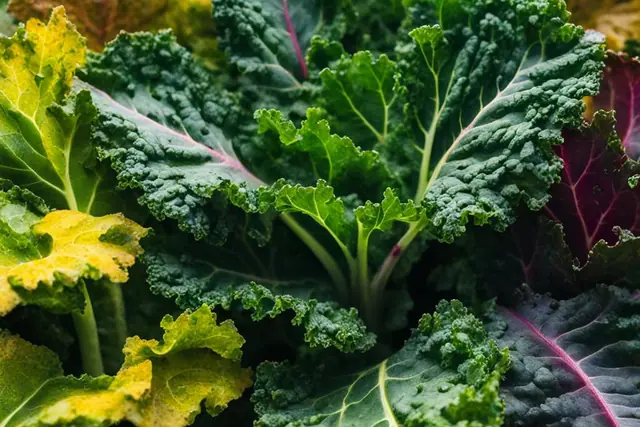
In this guide
- How Long Does Kale Last in the Fridge?
- How to Tell if Kale is Bad: Signs of Bad Kale
- Can You Eat Bad Kale?
- How to Keep Kale Fresh in the Fridge
- Tips for Refreshing Old Kale
- Common Concerns and Questions About Kale
- Why Kale Turns Yellow and Is It Safe to Eat?
- How to Store Kale Properly
- How to Freeze Kale
- How to Wash Kale and Why It's Important
- How to Use Kale in Cooking and Recipes
- Conclusion
- Source Links
- FAQ
As a health-conscious individual, I'm always careful about the freshness of the vegetables I consume. Kale, in particular, is a highly perishable vegetable that can spoil if not stored properly. That's why it's important to know how to tell if kale is bad by looking out for certain freshness indicators. By paying attention to these indicators, you can ensure that you are consuming safe and nutritious kale.
When it comes to kale, there are several key freshness indicators to keep in mind. Changes in color, texture, odor, and taste can all be signs that your kale has gone bad. By being aware of these indicators, you can easily determine if it's time to discard your kale and avoid any potential health risks.
How Long Does Kale Last in the Fridge?
Kale is a nutritious and versatile vegetable that can be enjoyed in a variety of dishes. To make the most of its freshness, it's important to know how long kale lasts in the fridge. Proper storage techniques can help extend its shelf life and maintain its flavor and nutritional value.
On average, kale can last in the fridge for about 5 to 7 days when stored correctly. Factors such as temperature, humidity, and storage conditions can impact the lifespan of kale. It's important to note that bagged kale tends to have a shorter shelf life compared to fresh kale.
To maximize the freshness of kale, it's recommended to store it in a sealed plastic bag or container. You can also wrap it in a damp paper towel to maintain its moisture. Another option is to store kale in a plastic bag with small air holes to allow for proper airflow.
| Storage Tips for Extending Kale's Shelf Life | Duration |
|---|---|
| Store kale in a sealed plastic bag or container | 5 to 7 days |
| Wrap kale in a damp paper towel | 5 to 7 days |
| Store kale in a plastic bag with small air holes | 5 to 7 days |
By following these storage guidelines, you can enjoy fresh and crisp kale for up to a week. It's important to regularly check for any signs of spoilage, such as sliminess, yellow or brown spots, wilting, or an unpleasant odor. If you notice any of these signs, it's best to discard the kale to avoid consuming bad produce.
How to Tell if Kale is Bad: Signs of Bad Kale
When it comes to determining if kale has gone bad, there are several signs you should look out for. These indicators can help you identify if the kale is still fresh and safe to consume or if it has spoiled and should be discarded. Paying attention to these signs of bad kale is crucial for ensuring your health and avoiding any potential foodborne illnesses.
One of the key signs of bad kale is a slimy texture. If you notice that the leaves feel slippery or slimy to the touch, it is a clear indication that the kale has started to spoil. Additionally, the presence of yellow or brown spots on the leaves is another sign of bad kale. These spots indicate that the kale is no longer fresh and may have started to decay.
Another indicator of bad kale is wilting. If the leaves appear limp or droopy, it is likely that the kale is no longer fresh and has lost its crispness. Lastly, an unpleasant odor is a strong sign that the kale has gone bad. If the kale emits a foul or rotten smell, it is best to discard it immediately to avoid any potential health risks.
| Signs of Bad Kale |
|---|
| Slippery or slimy texture |
| Yellow or brown spots on leaves |
| Wilting |
| Unpleasant odor |
Can You Eat Bad Kale?
When it comes to kale, freshness is key. Eating bad kale can have negative consequences for your health. If you're wondering whether you can still eat kale that has gone bad, the answer is no. Consuming kale that is past its prime can lead to symptoms such as nausea, vomiting, and stomach cramps. Bad kale also loses its nutritional value and can have an unpleasant taste and odor. It's best to err on the side of caution and discard any kale that shows signs of spoilage.
To determine if kale is bad, look for indicators such as a slimy texture, yellow or brown spots on the leaves, wilting, or an unpleasant odor. If you notice any of these signs, it's a clear indication that the kale is no longer safe to eat. By promptly disposing of bad kale, you can avoid potential foodborne illnesses and ensure that you're consuming fresh and healthy vegetables.
"Eating kale that has gone bad can pose health risks and can cause symptoms such as nausea, vomiting, and stomach cramps."
Remember, the quality of the food we consume directly impacts our well-being. Taking proper care to store kale correctly and paying attention to freshness indicators are essential for maintaining food safety. By doing so, you can enjoy the numerous health benefits that kale offers without any risks.
Table: Signs of Bad Kale
| Indicator | Description |
|---|---|
| Slimy texture | If the leaves feel slimy or sticky, it's a sign of spoilage. |
| Yellow or brown spots | Discolored spots on the leaves indicate that the kale is no longer fresh. |
| Wilting | Kale leaves should be crisp and firm. If they appear wilted or limp, it's a sign of deterioration. |
| Unpleasant odor | A strong, unpleasant smell is a clear indication that the kale has gone bad. |
How to Keep Kale Fresh in the Fridge
Proper storage is crucial for maintaining the freshness of kale and maximizing its shelf life. By following these tips, you can ensure that your kale stays crisp and flavorful:
- Thoroughly wash and dry the kale before storing it. Remove any dirt, debris, or damaged leaves.
- Wrap the kale in a damp paper towel or store it in an airtight container to maintain moisture.
- Place the kale in the crisper drawer of your refrigerator, which provides a slightly higher humidity level.
- Avoid washing the kale until you are ready to use it, as excess moisture can accelerate spoilage.
By following these storage guidelines, you can extend the freshness of your kale and enjoy it in salads, smoothies, stir-fries, and other delicious dishes.
Proper storage is key to keeping kale fresh for as long as possible. "Wrap the kale in a damp paper towel or store it in an airtight container to maintain moisture."
Table: Kale Storage Guidelines
| Storage Method | Instructions |
|---|---|
| Washing and Drying | Thoroughly wash and dry the kale before storing it to remove dirt and excess moisture. |
| Wrapping | Wrap the kale in a damp paper towel or store it in an airtight container to maintain moisture. |
| Refrigerator Storage | Place the kale in the crisper drawer of the refrigerator to maintain a slightly higher humidity level. |
| Avoid Washing | Avoid washing the kale until you are ready to use it to prevent excess moisture and spoilage. |
https://www.youtube.com/watch?v=3pu47Xjd3Xs
Tips for Refreshing Old Kale
When you have slightly wilted or slightly old kale, there are techniques that can help refresh it and make it enjoyable to eat. Here are a few tips:
- Submerging kale in ice water: Fill a bowl with ice water and soak the kale leaves for about 15 minutes. This can help crisp up the leaves and make them more tender.
- Massaging with olive oil: Rubbing kale leaves with a small amount of olive oil can help soften them and make them less tough.
- Use in cooked dishes: If the kale is past its prime but still safe to eat, you can use it in cooked dishes like sautés, soups, and stews. Cooking can help revive the flavor and texture.
These techniques work best for kale that is only slightly past its prime and still safe to consume. If the kale has a slimy texture, yellow or brown spots, or a foul odor, it is best to discard it to avoid any potential health risks.
With these simple tricks, you can make the most out of your slightly old kale and continue to enjoy its nutritional benefits.
Table: Techniques for Refreshing Old Kale
| Technique | Description |
|---|---|
| Submerging in ice water | Soak kale leaves in ice water for 15 minutes to crisp them up. |
| Massaging with olive oil | Rub kale leaves with a small amount of olive oil to soften them. |
| Use in cooked dishes | Use slightly old kale in cooked dishes like sautés, soups, and stews to revive the flavor and texture. |
Common Concerns and Questions About Kale
Kale has become increasingly popular in recent years due to its health benefits and versatility in cooking. However, with its rise in popularity, many people have questions and concerns about kale. In this section, I will address some of the most common concerns and questions about kale, providing you with the information you need to make informed decisions about incorporating kale into your diet.
Does kale have a strong smell?
Yes, kale does have a distinct smell. Some people describe it as earthy or grassy. The smell is more noticeable when kale is raw, but it tends to mellow out when cooked. If you find the smell of kale unpleasant, you can try cooking it with aromatic ingredients like garlic or lemon to help mask the odor.
Can kale be eaten raw?
Yes, kale can be eaten raw. In fact, eating kale raw is a great way to maximize its nutrient content. However, kale can have a tough and fibrous texture when raw, which some people find unappealing. To make raw kale more palatable, you can try massaging it with olive oil to help soften the leaves, or incorporate it into salads with other flavorful ingredients.
Does kale upset the stomach?
While kale is generally safe to eat, some individuals may experience digestive discomfort after consuming large amounts of raw kale. This is because kale contains high levels of fiber, which can be difficult to digest for some people. If you experience stomach discomfort after eating kale, try cooking it or incorporating it into cooked dishes, as cooking can help break down the fiber and make it easier to digest.
Now that we've addressed some of the common concerns and questions about kale, you can feel more confident in your knowledge of this nutritious vegetable. Incorporating kale into your diet can provide you with a range of health benefits, so don't be afraid to experiment with different cooking methods and recipes to find the ones that suit your taste buds.
Why Kale Turns Yellow and Is It Safe to Eat?
Kale can turn yellow due to natural aging or improper storage. This color change is a result of chlorophyll degradation, which occurs as the kale ages. While yellowed kale is safe to eat as long as there are no signs of rotting or a funky smell, it may have a less desirable taste and be slightly bitter compared to fresh kale. It is important, however, to differentiate between yellowing caused by aging and yellowing caused by infection or disease. Infected kale should be discarded to avoid any potential illness.
Proper storage is crucial in preventing premature yellowing of kale. By following the right storage techniques, you can help maintain the freshness and vibrant green color of your kale for longer. Store unwashed kale in a sealable plastic bag or container in the refrigerator. It's best to avoid washing the kale until you're ready to use it, as excess moisture can lead to spoilage and discoloration. Additionally, keeping kale in a place with steady airflow, such as the crisper drawer, and avoiding the coldest parts of the refrigerator will help preserve its color and quality.
While yellowed kale may not look as visually appealing as fresh kale, it can still be used in cooking. Cooking can help soften the kale and mitigate its bitterness. Sautéing or adding yellowed kale to soups, stews, or stir-fries are great ways to incorporate it into your meals. The cooking process can help enhance the flavors and textures of the kale, making it a delicious addition to your dishes.
Remember, when it comes to kale, freshness is key. By understanding why kale turns yellow and how to properly store and use it, you can ensure that you're getting the most out of this nutrient-packed vegetable.
Table: Common Causes of Kale Yellowing
| Cause | Description |
|---|---|
| Aging | As kale ages, chlorophyll degradation leads to yellowing of the leaves. This is a natural process. |
| Improper storage | Storing kale in overly cold temperatures or with inadequate airflow can cause premature yellowing. |
| Infection or disease | If kale is infected with pathogens or affected by diseases, it can exhibit yellowing as a sign of illness. |
How to Store Kale Properly
If you want to keep your kale fresh and extend its shelf life, proper storage is key. Follow these tips to ensure your kale stays fresh and crisp:
- Unwashed kale: Store unwashed kale in a sealable plastic bag or container in the refrigerator. This helps to maintain its freshness and prevent wilting.
- Avoid excess moisture: It's important to avoid washing kale until you're ready to use it. Excess moisture can cause the leaves to become soggy and increase the risk of spoilage.
- Proper airflow: Kale needs steady airflow to stay fresh. Store it in the crisper drawer of your refrigerator, which provides a slightly higher humidity level and helps prevent wilting.
- Avoid cold spots: Don't store kale in the coldest parts of your refrigerator, as extreme cold can damage the leaves.
By following these storage tips, you can keep your kale fresh and flavorful for longer periods of time, ensuring that you have access to this nutritious vegetable whenever you need it.
Table: Proper Storage Guidelines for Kale
| Storage Tips | Benefits |
|---|---|
| Store unwashed kale in a sealed plastic bag or container | Maintains freshness and prevents wilting |
| Avoid washing kale until ready to use | Prevents excess moisture and spoilage |
| Store kale in the crisper drawer | Provides steady airflow and slightly higher humidity |
| Avoid storing kale in the coldest parts of the refrigerator | Prevents damage from extreme cold |
How to Freeze Kale
If you have an abundance of kale and want to preserve it for later use, freezing is an excellent option. Freezing kale allows you to extend its shelf life and maintain its nutritional value. Follow these simple steps to freeze kale:
- Thoroughly wash and dry the kale leaves to remove any dirt or debris.
- Remove the stems from the kale leaves, as they can become tough when frozen.
- Chop or tear the kale into bite-sized pieces.
- Blanch the kale by quickly immersing it in boiling water for about 2 minutes, then immediately transferring it to a bowl of ice water.
- Drain the blanched kale and pat it dry to remove excess moisture.
- Place the kale in a zip-top storage bag, removing as much air as possible before sealing.
- Label the bag with the date of freezing to keep track of its freshness.
- Store the kale in the freezer, where it can last for up to eight months.
When you're ready to use the frozen kale, simply remove the desired amount from the bag and thaw it in the refrigerator or in a bowl of cold water. Frozen kale is best used in cooked dishes such as soups, stews, and stir-fries, as the texture may change after freezing. Enjoy the convenience of having kale readily available in your freezer for healthy and delicious meals!
Tips for Frozen Kale
Here are a few tips to keep in mind when freezing kale:
- Choose fresh, high-quality kale for freezing to ensure the best results.
- Blanching the kale before freezing helps preserve its color, texture, and nutritional value.
- Properly package the kale in airtight bags or containers to prevent freezer burn and maintain optimal freshness.
- Consider freezing kale in portion-sized bags so that you can easily thaw and use only what you need.
- Label the frozen kale with the date of freezing to keep track of its shelf life.
By following these guidelines, you can successfully freeze kale and enjoy its benefits long after its peak freshness.
How to Wash Kale and Why It's Important
Properly washing kale is an essential step to ensure its freshness and safety for consumption. This process helps remove dirt, debris, and any potential contaminants that may be present on the leaves. Here is a step-by-step guide on how to wash kale effectively:
- Start by rinsing the kale leaves under cold running water. Gently rub each leaf with your fingers to dislodge any dirt or particles.
- If you want to give your kale a deeper clean, you can create a brine solution by combining water and vinegar. Soak the kale leaves in this solution for a few minutes to help remove any remaining impurities.
- After soaking, thoroughly rinse the kale leaves again under cold water to remove the vinegar solution.
- To ensure that the kale leaves are dry before storage or use, pat them dry with a clean kitchen towel or use a salad spinner to remove excess moisture.
Properly washing kale is important for several reasons. Firstly, it helps eliminate any potential dirt, pesticides, or bacteria that may be present on the leaves, ensuring that you are consuming clean and safe kale. Secondly, washing kale can also improve its taste by removing any bitter residues that may affect its flavor. Lastly, washing kale is vital for food safety, as it minimizes the risk of foodborne illnesses that can result from consuming contaminated produce.
Why You Should Wash Kale
"Washing kale thoroughly is a crucial step in maintaining its freshness and safety for consumption. By removing any dirt, debris, or potential contaminants, you can ensure that you are eating clean and safe kale."
By incorporating proper washing techniques into your kale preparation routine, you can enjoy the many health benefits that this nutritious leafy green offers while also minimizing any potential risks associated with consuming unwashed kale. Take the time to wash your kale properly, and you'll have a fresh and safe ingredient to incorporate into your meals.
| Benefits of Properly Washing Kale | Importance |
|---|---|
| Removes dirt, debris, and potential contaminants | Ensures clean and safe kale |
| Improves taste by removing bitter residues | Enhances flavor |
| Minimizes the risk of foodborne illnesses | Ensures food safety |
How to Use Kale in Cooking and Recipes
Kale is a versatile vegetable that can add both nutrition and flavor to a variety of dishes. Whether you prefer it raw or cooked, there are countless ways to incorporate kale into your culinary creations. Here are some ideas to inspire you:
Sauteed Kale with Garlic and Lemon
I love sauteing kale with garlic and lemon for a simple yet delicious side dish. Simply heat some olive oil in a pan, add minced garlic, and cook until fragrant. Add chopped kale and saute until wilted. Squeeze fresh lemon juice over the top and season with salt and pepper. It's a bright and flavorful way to enjoy kale!
Kale and Quinoa Salad
For a healthy and hearty salad, combine cooked quinoa with chopped kale, cherry tomatoes, cucumber, avocado, and feta cheese. Drizzle with a lemon vinaigrette and toss well to combine. This salad is packed with nutrients and makes a satisfying meal on its own or as a side dish.
Kale Smoothie
Start your day off right with a refreshing and nutritious kale smoothie. Blend together a handful of kale, a frozen banana, a scoop of protein powder, almond milk, and a spoonful of nut butter. You can also add in some fruits like berries or a splash of orange juice for extra flavor. It's a great way to get your greens in!
Remember, when using kale in recipes, it's important to remove the tough stems and massage the leaves to help soften them. Kale pairs well with ingredients like garlic, lemon, parmesan cheese, and even spicy flavors like chili flakes. Get creative and experiment with different flavor combinations to find your favorite way to enjoy kale!
Conclusion
In conclusion, knowing how to tell if kale is bad is crucial for maintaining your health and ensuring food safety. By paying attention to freshness indicators such as color, texture, odor, and taste, you can easily determine if kale has gone bad and should be discarded.
Proper storage techniques, including wrapping kale in a damp paper towel or storing it in a plastic bag with air holes, can help extend the shelf life of this nutritious vegetable. Additionally, refreshing techniques like submerging kale in ice water or massaging it with a small amount of olive oil can help revitalize slightly wilted or slightly old kale.
While kale offers numerous health benefits, consuming bad kale can pose health risks such as gastrointestinal problems. It's important to discard kale that exhibits signs of spoilage, including a slimy texture, yellow or brown spots, wilting, or an unpleasant odor.
By incorporating kale into your diet through various cooking and recipe options, you can both enjoy its unique flavor and reap its nutritional benefits. Remember, proper washing and storage techniques are crucial for keeping kale fresh and safe to eat. So, add kale to your shopping list, make sure to check for freshness, and savor this delicious and healthy vegetable!
Source Links
- https://ginabnutrition.com/veganism/how-to-tell-if-kale-is-bad-a-complete-guide-to-keeping-your-kale-fresh-and-tasty-for-optimal-health/
- https://gardenerspath.com/plants/vegetables/eat-yellow-kale/
- https://sarahscoop.com/how-to-tell-if-kale-is-bad-and-how-long-does-it-last/
Frequently asked questions
- How can I tell if kale is bad?
Look for changes in color, texture, odor, and taste. Signs of bad kale include sliminess, yellow or brown spots, wilting, and an unpleasant odor. If any of these are present, it is best to discard the kale.
- Can you eat bad kale?
It is not safe to eat bad kale. Consuming kale that has gone bad can cause gastrointestinal problems and pose health risks. Bad kale also loses its nutritional value and can taste unpleasant.
- How long does kale last in the fridge?
Properly stored kale can last in the fridge for about 5 to 7 days. Factors such as temperature, humidity, and storage conditions can affect its lifespan. Bagged kale has a shorter shelf life compared to fresh kale.
- How do I keep kale fresh in the fridge?
Thoroughly wash and dry kale before storing it in an airtight container or plastic bag with air holes. Place it in the crisper drawer of your refrigerator, which maintains a slightly higher humidity level. Avoid washing kale until you are ready to use it.
- How do I refresh old kale?
You can submerge kale in ice water to crisp up the leaves or massage it with a small amount of olive oil to soften the leaves. Alternatively, you can use slightly old kale in cooked dishes like sautés, soups, and stews.
- Is it safe to eat yellowed kale?
Yellowing of kale can be a sign of aging or improper storage. It is safe to eat kale that has turned yellow from aging or improper storage, as long as there is no sign of rotting or a funky smell. However, yellowed kale may be less flavorful and bitter compared to fresh kale.
- How do I store kale properly?
Store unwashed kale in a sealable plastic bag or container in the refrigerator. Avoid washing kale until ready to use to prevent excess moisture that can cause spoilage. Keep kale in a place with steady airflow, such as the crisper drawer.
- How do I freeze kale?
Thoroughly wash and dry the kale, remove the stems, and then freeze it in a zip-top storage bag. For longer shelf life, blanch the kale in boiling water before freezing. Frozen kale can last up to eight months in the freezer.
- How do I wash kale and why is it important?
Rinse kale under cold water to remove dirt and debris. You can use a brining solution of vinegar and water for a deeper clean. Thoroughly pat dry the kale to remove excess moisture, which can cause spoilage. Proper washing is important for freshness and food safety.
- How can I use kale in cooking and recipes?
Kale is a versatile vegetable that can be added to salads, soups, smoothies, stir-fries, pasta dishes, and even used as a pizza topping. It pairs well with ingredients like garlic, lemon, and parmesan cheese.
AprilCook, recipe developer and the heart of Chefwiz. More about April