Guide
Storing Tuna for Best Quality
Discover how to store tuna for optimal freshness! Follow my easy steps and tips to extend your tuna's shelf life and enjoy it anytime.
 By April21 min read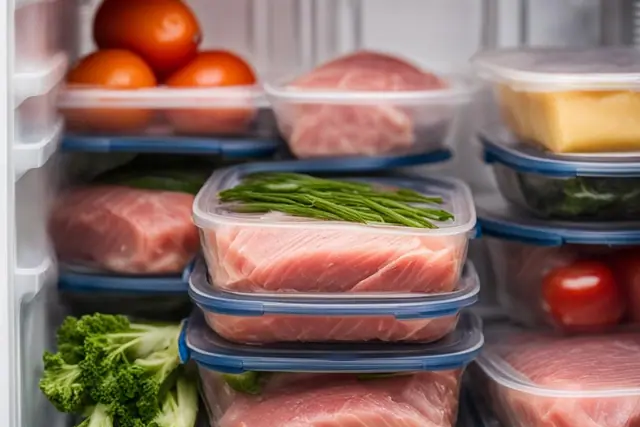
In this guide
- Determining Freshness: Signs of Spoilage
- Storing Canned Tuna
- Avoiding Common Mistakes in Storing Canned Tuna
- Storing Fresh Tuna
- Freezing Tuna for Extended Storage
- Maintaining Quality and Freshness
- Tips for Quick Access and Easy Storage
- The Versatility of Tuna in Culinary Applications
- Understanding the Nutritional Value of Tuna
- When to Seek Professional Freezing and Storage Services
- Tips for Extending Fresh Storage of Sushi-Grade Tuna
- Safety Precautions and Food Handling Tips
- The Importance of Proper Packaging
- The Role of Temperature in Tuna Storage
- Conclusion
- Source Links
- FAQ
When it comes to storing tuna, maintaining its freshness and quality is crucial. Whether you have canned, fresh, or frozen tuna, following proper storage techniques can maximize its shelf life and preserve its flavor. In this article, I will share expert tips and techniques for storing tuna to ensure the best quality and taste.
Determining Freshness: Signs of Spoilage
When it comes to determining the freshness of tuna, there are several signs of spoilage to look out for. By paying attention to these indicators, you can ensure that the tuna you consume is safe and of the best quality.
One of the first signs to consider is the smell. Canned tuna that has gone bad will have a metallic scent instead of the usual fishy smell. Fresh tuna, on the other hand, should have a fresh cucumber-like aroma or a faint hint of the ocean. If the tuna smells fishy and sour or has a slimy and cloudy appearance, it has likely spoiled and should not be consumed.
Visual cues can also help determine if tuna has gone bad. Look out for black or dark brown lines on canned tuna or green meat, as these are clear signs of spoilage. Similarly, frozen tuna will show signs of freezer burn or greying patches when it has spoiled. By being aware of these signs, you can confidently assess the freshness of your tuna before consuming it.
"The smell is always the best indicator. Canned tuna that has gone bad will have a strong metallic smell instead of the usual oceanic aroma."
Freshness Checklist:
- Smell: Metallic scent in canned tuna, fresh cucumber-like aroma in fresh tuna
- Appearance: Black or dark brown lines, green meat, freezer burn, or greying patches
By familiarizing yourself with the signs of spoilage, you can confidently determine the freshness of your tuna and ensure a safe and enjoyable culinary experience.
Storing Canned Tuna
When it comes to storing canned tuna, it's important to ensure its longevity and maintain its freshness. By following proper storage techniques, you can maximize the shelf life of your canned tuna while ensuring its quality and flavor. Here are some expert tips to help you store canned tuna effectively:
- Choose the right storage location: Keep your canned tuna in a cool, dry place away from direct sunlight and extreme temperature fluctuations. Storing it in a cabinet or pantry is ideal, as it provides a consistent environment that helps maintain its quality.
- Check the "best by" date: Canned tuna can remain safe to eat for an extended period beyond its expiration date. However, it's essential to consume older cans first and replace them with new ones to ensure freshness.
- Inspect cans for damage: Before purchasing or storing canned tuna, check the cans for any signs of damage, such as bulging or leaks. Damaged cans should be discarded, as they may compromise the safety and quality of the tuna.
- Consider transferring leftovers: If you have opened a can of tuna but don't consume the entire contents, it's best to transfer the remaining tuna to a covered, airtight container before refrigerating. This helps preserve its freshness and prevents off-flavors.
By following these storage tips, you can keep your canned tuna fresh and ready to use for delicious meals. Whether you're making salads, sandwiches, or pasta dishes, properly stored canned tuna ensures that you always have a versatile ingredient on hand.
Avoiding Common Mistakes in Storing Canned Tuna
When it comes to storing canned tuna, it's important to avoid some common mistakes that can compromise the quality and safety of the fish. By following these tips, you can ensure that your canned tuna stays fresh and delicious for longer.
Inspecting Cans for Damage
Before purchasing canned tuna, always inspect the cans for any signs of damage. Look for bulging, dents, or leaks, as these can indicate that the can has been compromised and the tuna may be unsafe to consume. It's better to be safe than sorry, so discard any cans that show signs of damage.
Avoid Freezing Canned Tuna
While freezing is a common storage method for many foods, it is best to avoid freezing canned tuna. Freezing can affect the texture and taste of the fish, resulting in a less enjoyable eating experience. Instead, focus on proper refrigeration techniques to maintain the freshness of your canned tuna.
Transferring Opened Cans to Airtight Containers
Once you've opened a can of tuna, it's important to transfer the remaining fish to an airtight container before storing it in the refrigerator. Leaving opened cans in the fridge can lead to off-flavors and potential contamination. By transferring the tuna to a sealed container, you can maintain its freshness and prevent any unwanted odors from spreading to other foods.
By avoiding these common mistakes and following proper storage techniques, you can enjoy the full flavor and quality of your canned tuna for an extended period.
Storing Fresh Tuna
When it comes to storing fresh tuna, there are a few key considerations to ensure its quality and freshness. Proper storage techniques can help maximize the shelf life of your tuna and preserve its delicious flavor. Here are some freshness hacks to help you store fresh tuna effectively:
Wrap it tightly:
To maintain the freshness of fresh tuna, it's important to wrap it tightly in plastic wrap or place it in an airtight container. This will help prevent exposure to air and moisture, which can lead to spoilage. By sealing it properly, you can retain the natural flavors and textures of the fish.
Store in the coldest part of the refrigerator:
The temperature at which you store fresh tuna is crucial. Keep it in the coldest part of your refrigerator, ideally set between 32°F and 36°F. This will help slow down the growth of bacteria and keep your tuna fresh for longer. A lower temperature will also help maintain the quality and texture of the fish.
Consume within 1-2 days:
Fresh tuna is best enjoyed within 1-2 days of purchase. As time passes, the quality and flavor of the fish may start to decline. To make the most of your fresh tuna, try to consume it as soon as possible. If you're unable to do so, consider freezing it for extended storage.
With these storage tips and freshness hacks, you can ensure that your fresh tuna stays delicious and ready for use in your favorite recipes. Whether you're grilling, searing, or making sushi, properly stored tuna will enhance the flavor and elevate your culinary creations.
https://www.youtube.com/watch?v=PpkRSkKnJdA
| Storage Tip | Description |
|---|---|
| Wrap it tightly | Seal fresh tuna in plastic wrap or an airtight container to prevent exposure to air and moisture. |
| Store in the coldest part of the refrigerator | Keep fresh tuna in the coldest section of your refrigerator to maintain its quality and slow down bacteria growth. |
| Consume within 1-2 days | Fresh tuna is best enjoyed within a couple of days of purchase to ensure optimal flavor and freshness. |
Freezing Tuna for Extended Storage
When it comes to storing tuna for long periods, freezing is a convenient and effective method. Freezing tuna helps extend its shelf life, allowing you to enjoy its freshness and flavor even after an extended period. Here are some storage tips for freezing tuna:
- Wrap it tightly: Before freezing fresh tuna, make sure to wrap it tightly in plastic wrap or seal it in an airtight container. This helps prevent exposure to air, which can cause freezer burn and affect the quality of the fish.
- Consume within 2-3 months: While frozen tuna can be stored for an extended period, it's best to consume it within 2-3 months for optimal quality. Beyond this timeframe, the texture and flavor may start to deteriorate.
- Thawing: When thawing frozen tuna, it's best to do so in the refrigerator overnight or under cold running water. Avoid microwaving frozen tuna, as it can result in uneven thawing and affect the texture of the fish.
By following these storage tips, you can ensure that your frozen tuna remains in excellent condition and is ready to use whenever you need it. Freezing tuna provides you with the convenience of having this versatile ingredient on hand for quick and easy meals.
| Storage Tips for Freezing Tuna | Benefits |
|---|---|
| Wrap tuna tightly in plastic wrap or seal it in an airtight container | Prevents freezer burn and maintains quality |
| Consume within 2-3 months | Ensures optimal texture and flavor |
| Thaw in the refrigerator overnight or under cold running water | Avoids uneven thawing and texture changes |
Freezing tuna is a convenient way to extend its shelf life and ensure that you always have this delicious ingredient on hand. By following proper storage techniques, you can maintain the quality and flavor of your frozen tuna, allowing you to enjoy it in a variety of culinary applications.
With the ability to freeze tuna, you can stock up on this nutritious and versatile fish, taking advantage of sales and promotions without worrying about it going to waste. Whether you're using it in salads, pasta dishes, or grilling it as a main course, properly frozen tuna will provide you with the same great taste and texture as fresh.
Maintaining Quality and Freshness
When it comes to storing tuna, maintaining its quality and freshness is essential to ensure a delicious and enjoyable eating experience. By following these storage tips, you can prolong the shelf life of your tuna and preserve its natural flavors and textures.
Controlling Moisture
Excess moisture can lead to spoilage and affect the taste and texture of your stored tuna. To prevent this, pat fresh tuna dry with paper towels before storing. This will help remove any excess moisture and reduce the risk of bacterial growth. Additionally, consider using vacuum-sealed bags or airtight containers to keep out moisture and maintain the quality of both fresh and frozen tuna.
Minimizing Air Exposure
Oxygen exposure can cause tuna to oxidize, resulting in off-flavors and texture changes. To minimize air exposure, wrap fresh tuna tightly in plastic wrap or place it in an airtight container. For frozen tuna, ensure it is properly sealed before storing in the freezer. By keeping out air, you can preserve the freshness and quality of your tuna for an extended period.
Tips for Quick Access and Easy Storage
When it comes to storing tuna, convenience is key. Here are some kitchen hacks to make quick access and easy storage a breeze:
- Portion and Freeze: To make accessing and storing fresh or thawed tuna easier, portion it into individual servings before freezing. This allows you to take out only what you need without thawing the entire batch.
- Organize Your Pantry: If you frequently use canned tuna, consider organizing your pantry by using sturdy containers. This prevents the cans from being subjected to pressure or damage and makes it easier to find what you need.
- Label and Date: When storing tuna, it's important to label and date your containers or packages. This helps you keep track of the freshness and ensures that you use the oldest tuna first.
- Invest in Storage Solutions: Consider investing in airtight containers or vacuum-sealed bags for both fresh and frozen tuna. These storage solutions help keep out air, moisture, and prevent freezer burn, preserving the quality of the tuna for longer.
"Portioning and organizing your tuna will save you time and make meal preparation a breeze!"
With these simple tips, you can ensure that your tuna is always within reach and stored in a way that maintains its freshness and quality for longer.
The Versatility of Tuna in Culinary Applications
Tuna is a highly versatile ingredient that can elevate a variety of dishes in the culinary world. With its rich flavor and tender texture, tuna can be utilized in numerous cooking methods to create delicious meals. Whether you're grilling, baking, or searing, tuna can be the star of the show, adding depth and complexity to your favorite recipes. Its versatility makes it a staple in many cuisines worldwide.
When it comes to culinary applications, tuna is incredibly adaptable. It can be used in salads, sandwiches, pasta dishes, sushi rolls, and more. Its firm flesh holds up well in various cooking techniques, making it suitable for both raw and cooked preparations. Whether you prefer a light and refreshing tuna salad or a hearty tuna steak, there are endless possibilities to explore with this versatile ingredient.
Grilling tuna brings out its natural flavors, imparting a smoky char that pairs beautifully with marinades and seasonings. Baking tuna in the oven allows it to cook gently, resulting in a moist and tender fish that can be easily incorporated into casseroles or pasta bakes. Searing tuna quickly over high heat creates a flavorful crust while keeping the center rare or medium-rare, making it perfect for sushi or sashimi.
Sample Recipes:
- Tuna Nicoise Salad: A classic French salad featuring seared tuna, boiled potatoes, green beans, tomatoes, olives, and a tangy vinaigrette.
- Grilled Tuna Steaks with Mango Salsa: Tender grilled tuna steaks topped with a fresh and vibrant mango salsa for a burst of tropical flavors.
- Tuna Pasta Carbonara: A twist on the traditional carbonara, using canned tuna instead of bacon for a lighter yet flavorful pasta dish.
- Spicy Tuna Roll: A popular sushi roll featuring raw tuna, spicy mayo, cucumber, and avocado wrapped in nori and sushi rice.
"Tuna's versatility in the kitchen allows home cooks and professional chefs alike to get creative and experiment with different flavors and textures. Its ability to adapt to various cooking styles and its delicious taste make it a favorite choice for many culinary applications."
By exploring the culinary possibilities of tuna, you can create exciting and delicious meals that will satisfy your taste buds. Whether you're a seafood enthusiast or looking to expand your culinary repertoire, tuna is a versatile ingredient that offers endless possibilities in the kitchen. So get cooking, and enjoy the wonderful world of tuna!
Understanding the Nutritional Value of Tuna
Seafood, including tuna, is not only delicious but also packed with essential nutrients that support a healthy diet. Tuna is particularly known for its high content of omega-3 fatty acids, which are beneficial for heart health and brain function. These fatty acids help reduce inflammation, lower blood pressure, and support overall cardiovascular health. Incorporating tuna into your diet can be a great way to increase your intake of these important nutrients.
Tuna is also a good source of other vitamins and minerals that are essential for your body's proper functioning. It is rich in vitamin D, which plays a crucial role in bone health and immune function. Additionally, tuna provides vitamin B12, which is important for the production of red blood cells and the proper functioning of the nervous system. It also contains selenium, an antioxidant mineral that helps protect against oxidative stress and supports thyroid function. Potassium, another mineral found in tuna, is vital for maintaining proper fluid balance, nerve function, and muscle contractions.
By incorporating tuna into your diet and storing it properly, you can enjoy its nutritional value and promote a healthy lifestyle. Whether you choose fresh, canned, or frozen tuna, it's important to keep in mind the storage tips and freshness hacks mentioned in this article to maintain its quality and flavor.
Tuna is a great source of omega-3 fatty acids, which promote heart health and brain function. It also provides vitamins D and B12, selenium, and potassium, offering a range of health benefits. By storing tuna properly, you can preserve its nutritional value and enjoy the convenience of having this seafood staple on hand for delicious and nutritious meals.
The Nutritional Composition of Tuna
| Nutrient | Amount per 100g |
|---|---|
| Calories | 184 |
| Protein | 29.91g |
| Total Fat | 6.28g |
| Saturated Fat | 1.4g |
| Omega-3 Fatty Acids | 2.66g |
| Cholesterol | 45mg |
| Vitamin D | 24μg |
| Vitamin B12 | 6μg |
| Selenium | 92.5μg |
| Potassium | 377mg |
Table: Nutritional composition of tuna per 100g
As seen in the table above, tuna is a nutrient-dense food that provides a substantial amount of protein, omega-3 fatty acids, vitamins, and minerals. It is a versatile ingredient that can be incorporated into a variety of dishes, offering both taste and nutritional benefits.
When to Seek Professional Freezing and Storage Services
If you want to ensure the highest quality and extended storage times for your tuna, it may be worth considering professional freezing and storage services. These services are typically offered by commercial facilities that specialize in preserving and maintaining the freshness of various food products, including seafood like tuna. While these services may not be necessary for everyday home storage, they can provide added benefits for those seeking the best results for high-quality tuna storage.
Professional freezing and storage services utilize advanced techniques to ensure optimal freshness and quality. One such technique is gas flushing, which involves removing oxygen from the storage environment to minimize oxidation and prolong the shelf life of the tuna. These facilities also have the refrigeration capacity to achieve fast freezing times, which helps preserve the texture and flavor of the fish.
When considering professional freezing and storage services, it's important to research and choose a reputable facility that adheres to strict food safety and quality standards. Look for certifications or accreditations that demonstrate their commitment to excellence in storage practices. Additionally, consider the cost and convenience of these services compared to your personal storage needs and preferences.
While professional freezing and storage services may not be necessary for everyone, they can provide valuable benefits for those who prioritize the highest quality and extended storage times for their tuna. By entrusting your tuna to the expertise of professionals, you can have peace of mind knowing that your fish is stored in optimal conditions, maintaining its freshness and flavor until you're ready to enjoy it.
Tips for Extending Fresh Storage of Sushi-Grade Tuna
When it comes to sushi-grade tuna, extending its fresh storage time is crucial for maintaining its quality and flavor. Here are some expert tips to help you maximize the shelf life of this high-quality fish:
Use a Small Domestic Chest Freezer
Consider investing in a small domestic chest freezer for storing sushi-grade tuna. Set the thermostat to hold at around -4°F (-20°C). The slightly lower temperature prevents the water in the flesh from freezing, preserving the firm texture while minimizing bacteria growth. This technique allows you to enjoy sushi-grade tuna for a longer period without compromising its quality.
Seal the Cut Face with Plastic Sheet
To further extend the freshness of sushi-grade tuna, seal the cut face with a plastic sheet during storage. This minimizes oxygen access and helps maintain the quality of the fish. The plastic sheet acts as a barrier, protecting the tuna from exposure to air and potential deterioration. When you're ready to use the tuna, simply remove the plastic sheet and proceed with your preparations.
By following these tips, you can ensure that your sushi-grade tuna stays fresh and delicious for an extended period, allowing you to create delectable sushi rolls, sashimi, or other culinary masterpieces.
Remember, sushi-grade tuna is known for its exceptional quality, and proper storage is essential to preserve its delicate flavor and texture. With these tips, you can confidently store your sushi-grade tuna and enjoy it at its best whenever you're ready to indulge in a sushi feast or a delightful sashimi platter.
Safety Precautions and Food Handling Tips
When it comes to storing tuna or any food, it's important to follow safety precautions and proper food handling practices to ensure the health and well-being of yourself and your loved ones. Here are some essential tips to keep in mind:
Wash Your Hands
Before and after handling tuna, always wash your hands thoroughly with soap and water. This helps prevent the spread of bacteria and other contaminants that may be present on the fish.
Use Separate Cutting Boards and Utensils
To avoid cross-contamination, it's crucial to use separate cutting boards and utensils for raw and cooked tuna. This prevents any potential bacteria from the raw fish from transferring to the cooked fish or other ingredients.
Maintain a Clean Refrigerator
Regularly clean and sanitize your refrigerator to ensure a safe storage environment for your tuna. Use mild soap and warm water to wipe down all surfaces, including shelves, drawers, and door handles. Additionally, keep your refrigerator set at the proper temperature of 40°F or below to prevent the growth of harmful bacteria.
Properly Wrap and Store Leftovers
When storing leftover tuna, make sure to wrap it tightly in plastic wrap or place it in an airtight container before refrigerating. This helps maintain its freshness and prevents any potential contamination from other foods in the refrigerator.
By following these safety precautions and food handling tips, you can ensure that the tuna you store and consume is safe and free from any health risks or concerns. Remember to always prioritize food safety to enjoy the delicious taste and benefits of tuna in your meals.
The Importance of Proper Packaging
Proper packaging is crucial when it comes to storing tuna. By ensuring that your tuna is packaged correctly, you can maintain its quality and freshness for a longer period. One of the main factors to consider is moisture control. Moisture can cause the tuna to spoil quickly and develop an unpleasant texture. To prevent this, wrap fresh tuna tightly in plastic wrap or place it in an airtight container. This will minimize exposure to air and moisture, keeping the fish fresh and flavorful.
When it comes to frozen tuna, proper packaging is equally important. Freezer burn is a common issue that affects the quality of frozen foods. To prevent freezer burn, make sure to use vacuum-sealed bags or airtight containers. These will create a barrier that protects the tuna from exposure to air, reducing the risk of freezer burn and maintaining its flavor and texture.
In addition to moisture control, proper packaging also helps to prevent contamination. By sealing the tuna in airtight containers, you can minimize the risk of bacteria and other contaminants entering the fish. This is especially important for fresh tuna, as it is more susceptible to spoilage. By taking the time to package your tuna correctly, you can ensure that it remains safe to eat and of the highest quality.
The Role of Temperature in Tuna Storage
When it comes to storing tuna, temperature is a critical factor that directly impacts its freshness and shelf life. Proper temperature control ensures that the tuna remains safe to eat and maintains its flavor and texture over time. Whether you are storing fresh, canned, or frozen tuna, it's important to understand the ideal storage conditions to preserve its quality.
For fresh tuna, it is recommended to keep it in the coldest part of your refrigerator, ideally set between 32°F and 36°F. This temperature range helps slow down the growth of bacteria and preserves the freshness of the fish. It's essential to avoid storing fresh tuna at higher temperatures, as it can lead to spoilage and potential health risks.
Canned tuna should be stored in a cool and dry place, away from direct sunlight and extreme temperature fluctuations. Avoid placing canned tuna near heat sources, as high temperatures can accelerate the deterioration of the product. By keeping canned tuna at a stable temperature, you can ensure its longevity and maintain its quality for an extended period.
When freezing tuna, it's crucial to maintain a temperature of around 0°F. Freezing preserves the freshness of the fish and extends its shelf life. However, it's important to note that freezing may affect the texture of the tuna. Thaw frozen tuna in the refrigerator overnight or under cold running water to ensure a gradual and even thawing process.
Table: Recommended Temperature for Tuna Storage
| Type of Tuna | Storage Temperature |
|---|---|
| Fresh Tuna | 32°F - 36°F (0°C - 2°C) |
| Canned Tuna | Cool and dry place, away from heat sources |
| Frozen Tuna | 0°F (-18°C) |
By maintaining the appropriate temperature for storing tuna, you can ensure that it remains fresh, safe, and delicious for longer periods. Remember to follow the recommended temperature guidelines for each type of tuna to maximize its quality and enjoy the full benefits of this versatile and nutritious seafood.
Conclusion
So there you have it - a comprehensive guide on how to store tuna for optimal freshness and quality. As a lover of culinary arts, I understand the importance of properly storing this versatile ingredient. By following the storage tips and freshness hacks shared in this article, you can ensure that your tuna stays delicious and ready to use in a variety of recipes.
Remember, whether you have canned tuna, fresh tuna, or frozen tuna, temperature control is key. Keep your fresh tuna in the coldest part of the refrigerator, while canned tuna should be stored in a cool, dry place. And when it comes to freezing tuna, be sure to wrap it tightly to prevent freezer burn.
By practicing proper packaging techniques, controlling moisture and exposure to air, and following safety precautions and food handling tips, you can enjoy the convenience and versatility of tuna in your cooking. So go ahead, stock up on this nutritious and delicious fish, and let your culinary creativity shine!
Source Links
- https://www.allrecipes.com/mistakes-to-avoid-when-storing-canned-tuna-7693202
- https://www.tastingtable.com/664585/heres-how-you-should-really-be-storing-tuna/
- https://www.bdoutdoors.com/forums/threads/help-how-to-preserve-a-sashimi-grade-tuna.145282/
Frequently asked questions
- How do I know if my tuna has gone bad?
Trust your sense of smell. Canned tuna that is no longer safe to eat will have a metallic scent instead of a fishy smell. Fresh tuna should smell like cucumbers or have a faint hint of the ocean. If it smells fishy and sour or appears slimy and cloudy, it has likely spoiled.
- Where is the best place to store canned tuna?
Keep canned tuna in a cool, dry place away from direct sunlight and extreme temperature fluctuations. Storing it in a cabinet or pantry is ideal.
- Can I freeze canned tuna?
It is not recommended to freeze canned tuna as it can affect the texture and taste of the fish.
- How should I store fresh tuna?
Wrap fresh tuna tightly in plastic wrap or place it in an airtight container. Keep it in the coldest part of your refrigerator, ideally set between 32°F and 36°F.
- Can I freeze fresh tuna?
Yes, you can freeze fresh tuna. Make sure to wrap it tightly in plastic wrap or seal it in an airtight container to prevent freezer burn.
- How long can I keep frozen tuna?
Consume frozen tuna within 2-3 months for optimal quality.
- How should I thaw frozen tuna?
Thaw frozen tuna in the refrigerator overnight or under cold running water. Avoid microwaving frozen tuna.
- How can I maintain the quality and freshness of stored tuna?
Control moisture by patting fresh tuna dry before storing. Use vacuum-sealed bags or airtight containers to minimize exposure to air. This helps preserve the natural flavors, textures, and nutritional value of the fish.
- How can I make it easier to access and store tuna?
Portion fresh or thawed tuna into individual servings before freezing. Consider organizing your pantry with sturdy containers to prevent cans from being subjected to pressure or damage.
- What are some culinary applications for tuna?
Tuna can be used in salads, sandwiches, pasta dishes, sushi, and more. Explore different cooking methods like grilling, baking, or searing to enhance the flavor and texture.
- What nutritional benefits does tuna offer?
Tuna is a good source of omega-3 fatty acids, vitamins, and minerals like vitamin D, vitamin B12, selenium, and potassium.
- When should I consider professional freezing and storage services for tuna?
Professional freezing and storage services can be beneficial for those seeking the best results for high-quality tuna storage, but they may not be necessary for everyday home storage.
- How can I extend the fresh storage time of sushi-grade tuna?
Use a small domestic chest freezer set to around -4°F. The salt content of the fish prevents freezing at this temperature, keeping the tuna firm while minimizing bacteria growth.
- What safety precautions should I follow when handling tuna?
Always wash your hands before and after handling tuna. Use separate cutting boards and utensils for raw and cooked tuna to prevent cross-contamination. Keep your refrigerator clean and at the proper temperature to maintain food safety.
- How important is proper packaging for tuna storage?
Proper packaging, such as wrapping fresh tuna tightly in plastic wrap or using vacuum-sealed bags for frozen tuna, helps maintain the quality and freshness of stored tuna by minimizing exposure to air and moisture.
- What role does temperature play in tuna storage?
Keep fresh tuna in the coldest part of your refrigerator, ideally set between 32°F and 36°F. Canned tuna should be stored in cool, dry places, away from direct sunlight and extreme temperature fluctuations. Freezing tuna requires maintaining a temperature of around 0°F for optimal results.
AprilCook, recipe developer and the heart of Chefwiz. More about April