Guide
How to Reheat Pasta Without Losing Flavor
Discover my well-tested steps on how to reheat pasta, keeping it moist and flavorful. Say goodbye to dry leftovers and hello to second-day pasta delight.
 By April24 min read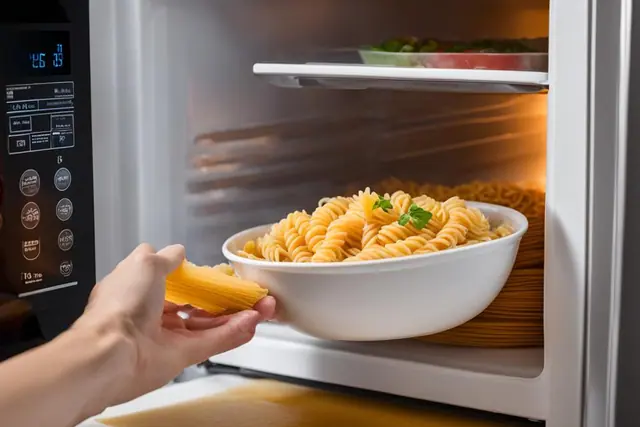
In this guide
- The Stovetop Method for Reheating Pasta
- The Oven Method for Reheating Pasta
- The Microwave Method for Reheating Pasta
- How to Keep Pasta Noodles From Sticking Together
- How to Make Pasta Sauce Cling to Your Noodles
- The Shelf Life of Leftover Pasta
- The Proper Way to Reheat Pasta
- The Best Ways to Reheat Store-Bought Pasta Dishes
- The Art of Reheating Saucy and Creamy Pasta
- The Secret to Reheating Oily Pasta Dishes
- Reheating Methods for Different Types of Pasta
- The Importance of Food Safety When Reheating Pasta
- Tips and Tricks for Reheating Pasta Like a Pro Chef
- Pasta Preservation and Meal Prep Tips
- Conclusion
- Source Links
- FAQ
Are you tired of reheating pasta only to end up with a dry and flavorless meal? Well, I have good news for you! With the right techniques, you can retain the delicious flavor and texture of your pasta leftovers. Whether you prefer to use the stovetop, oven, or microwave, I will guide you through the best methods for achieving perfectly reheated pasta without any loss of taste.
Reheating pasta can be a tricky task, but by following these tips and tricks, you can enjoy a second-day meal that tastes just as good as it did when freshly cooked. Let's dive in and discover the secrets to preserving the flavor and texture of your pasta leftovers!
The Stovetop Method for Reheating Pasta
When it comes to reheating pasta, the stovetop method is one of the best options. It allows for quick and efficient reheating while preserving the flavor and texture of the pasta. Here's how you can use the stovetop method to reheat your pasta:
- Start by adding some olive oil or your favorite cooking oil to a pan, and heat it over medium-high heat.
- Add your pasta, sauce, and any additional ingredients to the pan.
- Sauté the pasta for two to five minutes, stirring frequently to ensure even heating.
- Continue sautéing until the pasta is heated through and the sauce is bubbling.
- Once heated, remove the pan from the heat and serve your perfectly reheated pasta.
The stovetop method allows you to closely monitor the progress of reheating and adjust the heat as needed. It also gives you the opportunity to stir the pasta frequently, preventing the sauce from browning or burning. With a little bit of practice, you'll be able to achieve delicious reheated pasta that tastes just as good as it did when it was freshly cooked.
Tips for success:
- Use a non-stick pan or a well-seasoned cast iron skillet to prevent the pasta from sticking to the pan.
- If your pasta is already coated in sauce, you can add a splash of water or broth to the pan to prevent it from drying out.
- Feel free to add extra seasonings or toppings, such as grated Parmesan cheese or fresh herbs, to enhance the flavor of your reheated pasta.
Reheating pasta on the stovetop is a simple and effective method that allows you to enjoy the flavors of your favorite pasta dishes without sacrificing taste or texture. Give it a try and elevate your pasta reheating game!
Table: Stovetop Method for Reheating Pasta
| Step | Instructions |
|---|---|
| 1 | Add olive oil or cooking oil to a pan and heat over medium-high heat. |
| 2 | Add pasta, sauce, and any additional ingredients to the pan. |
| 3 | Sauté the pasta for two to five minutes, stirring frequently. |
| 4 | Cook until pasta is heated through and sauce is bubbling. |
| 5 | Remove from heat and serve. |
The Oven Method for Reheating Pasta
When it comes to reheating pasta, the oven method is a fantastic option that can result in delicious, crispy, and bubbly pasta. This method is especially ideal if your pasta is already coated in sauce, as it helps revive the pasta's original flavor and texture. Here's how to do it:
Step 1: Start by preheating your oven to 350℉ (175℃).
Step 2: Place your leftover pasta, along with the sauce and any additional ingredients, in an oven-safe baking dish.
Step 3: Cover the baking dish with foil to trap the heat and moisture, ensuring your pasta doesn't dry out.
Step 4: Bake the pasta in the preheated oven for 15 to 20 minutes, or until the pasta is just heated through.
Step 5: For some extra crispiness and cheesiness, remove the foil during the last few minutes of baking and sprinkle some Parmesan on top.
This method allows the pasta to heat evenly, resulting in a delicious, flavorful dish. The foil helps create a steamy environment that prevents the pasta from drying out, while the higher temperature gives it a crisp exterior. The end result is pasta that is warm, bubbly, and perfect for serving.
https://www.youtube.com/watch?v=S4NfyT_OlGk
The Microwave Method for Reheating Pasta
When it comes to reheating pasta, the microwave is a convenient and quick option. However, it's important to use the right techniques to prevent the pasta from drying out or clumping together. Here's how to reheat pasta in the microwave:
- Place your leftover pasta in a microwave-safe dish. Make sure the dish is large enough to hold the pasta without overflowing.
- Add a few drops of water or sauce to the pasta. This will help prevent it from drying out during the reheating process.
- Loosely cover the dish with a microwave-safe lid or microwave-safe plastic wrap. This will help trap the steam and promote even heating.
- Microwave the pasta on high power for 1 to 1 ½ minutes. Check for doneness and continue microwaving in 15-second increments until the pasta is heated all the way through.
- Stir the pasta in between each interval to prevent clumping. This will help distribute the heat evenly and ensure that all the pasta is reheated.
While reheating pasta in the microwave may not give you the same texture as other methods, it is still an effective way to warm up your leftovers. Just remember to add a bit of water or sauce to keep the pasta moist, and stir frequently to prevent clumping. With these tips, you can enjoy a quick and easy reheated pasta in no time.
"Reheating pasta in the microwave is a convenient option for those busy days when you need a quick meal. Just remember to add a bit of water or sauce to keep the pasta moist, and stir frequently to prevent clumping." - Chef Julia
Table: Pros and Cons of Reheating Pasta in the Microwave
| Pros | Cons |
|---|---|
| Quick and convenient | May result in uneven heating |
| Does not require additional oil or sauce | Can alter the texture of the pasta |
| Easy to monitor and adjust cooking time | May cause the sauce to splatter or boil over |
Overall, reheating pasta in the microwave can be a time-saving option. Just be mindful of the potential texture changes and take steps to prevent dryness or clumping. With proper technique and a little bit of attention, you can enjoy a delicious reheated pasta meal in minutes.
How to Keep Pasta Noodles From Sticking Together
When reheating pasta, one common challenge is preventing the noodles from sticking together. To ensure that your reheated pasta retains its delicious texture, follow these simple tips:
- Use a colander: If your noodles and sauce are stored separately, bring a pot of salted water to a boil. Place your leftover pasta noodles in a heat-safe colander and dip the entire colander into the pot for 30 to 60 seconds to warm the noodles. This method helps loosen any clumps and ensures even reheating.
- Toss with sauce: After heating the noodles, toss them with your favorite sauce immediately. The heat from the noodles will help the sauce cling to them, preventing any sticking. Be sure to stir well to evenly coat the noodles.
- Drain properly: If you don't have a colander, you can also place the plain pasta in the warm water for about one minute and drain it immediately. This method helps prevent sogginess by quickly heating the noodles without overcooking them.
By following these steps, you can enjoy perfectly reheated pasta with separate and flavorful noodles, no matter which reheating method you choose.
Table: How to Prevent Pasta Noodles from Sticking Together
| Method | Steps |
|---|---|
| Colander Method | Dip noodles in boiling water using a colander for 30 to 60 seconds, then toss with sauce. |
| Boiling Water Method | Place plain pasta in warm water for about one minute, drain immediately, then toss with sauce. |
"Keeping pasta noodles from sticking together is essential for a delicious reheated dish. By using a colander or the boiling water method, you can ensure that your pasta retains its individuality and texture."
Remember, it's important to reheat pasta properly to maintain its taste and texture. By following these tips, you can enjoy reheated pasta that tastes just as good as when it was freshly cooked.
How to Make Pasta Sauce Cling to Your Noodles
When reheating pasta, one of the challenges is ensuring that the sauce clings to the noodles, creating a delicious and satisfying bite. To achieve this, there are a few simple tips you can follow:
- When reheating pasta in the oven, try adding an extra dollop of pasta sauce or a few drops of water to the baking dish. This will help revamp the sauce and maintain its saucy consistency, ensuring that every bite of reheated pasta is coated in delicious sauce.
- If you're sautéing pasta on the stovetop, consider adding more sauce or drizzling some olive oil on top. This will help keep the noodles moist and flavorful, preventing them from becoming dry during reheating.
- Another option is to top your reheated pasta with a creamy sauce. Cream-based sauces tend to cling well to the noodles, creating a velvety and indulgent texture. Consider adding a touch of cream or butter to your reheated pasta for an extra saucy and delicious experience.
Remember, the key to making pasta sauce cling to your noodles is to ensure that there is enough moisture in the dish. By adding extra sauce, water, or even a creamy topping, you can prevent your reheated pasta from becoming dry and bland.
By following these tips, you can enjoy perfectly reheated pasta with a saucy and flavorful coating that will leave your taste buds satisfied. Whether you're reheating in the oven or on the stovetop, these techniques will help you achieve the ideal balance of sauce and noodles for a delicious pasta experience.
Table: Tips for Making Pasta Sauce Cling to Your Noodles
| Tip | Description |
|---|---|
| 1 | Add extra sauce or water |
| 2 | Drizzle olive oil on top |
| 3 | Top with a creamy sauce or add cream/butter |
The Shelf Life of Leftover Pasta
When it comes to reheating pasta, it's important to consider the shelf life of leftovers. Proper storage and food safety practices play a crucial role in maintaining the quality and taste of reheated pasta. Leftover pasta can be stored in an airtight container in the refrigerator for up to five days.
By placing the pasta in a sealed container, you can prevent it from absorbing any odors from other foods in the fridge. This also helps maintain the freshness and texture of the pasta. Be sure to label the container with the date to keep track of its shelf life.
If you have leftover pasta that you won't be able to consume within five days, it's recommended to freeze it for longer preservation. Divide the pasta into individual portions and place them in freezer-safe bags or containers. When you're ready to reheat, simply thaw the pasta in the refrigerator before following your preferred reheating method.
| Storage Method | Shelf Life |
|---|---|
| Refrigerator (Airtight Container) | Up to 5 days |
| Freezer (Divided Portions) | Up to 3 months |
It's important to consume reheated pasta within the recommended timeframes to ensure food safety. Always ensure that the pasta reaches a safe internal temperature of at least 165℉ (74℃) when reheating to kill any potential bacteria. Using a food thermometer can help you confirm the temperature.
By following proper storage practices and reheating guidelines, you can enjoy leftover pasta without compromising its taste or quality. Whether you're reheating on the stove, in the oven, or in the microwave, just remember to prioritize food safety and make delicious meals out of your leftovers.
The Proper Way to Reheat Pasta
When it comes to reheating pasta, following the proper methods is key to maintaining its moistness, texture, and delicious taste. Whether you choose to use the stove, oven, or microwave, each method has its advantages and considerations. By incorporating a few helpful tips, you can achieve perfectly reheated pasta that rivals the flavor of freshly cooked noodles.
If you prefer the stovetop method, sautéing the pasta in a pan with some olive oil or cooking oil over medium-high heat is a quick and effective way to reheat it. This allows you to monitor the progress and ensures even heating. For those who opt for the oven method, placing the pasta, sauce, and additional ingredients in an oven-safe baking dish covered with foil helps revive the pasta's original flavor and creates a crispy, bubbly texture.
When using the microwave, be sure to add a few drops of water or sauce to prevent the pasta from drying out and sticking together. Reheat the pasta in short intervals, stirring in between, until it is heated all the way through. While the microwave method may not provide the same texture as other methods, it is still an effective way to enjoy reheated pasta in a pinch.
To summarize, reheating pasta the proper way involves using the stove, oven, or microwave, and incorporating tips like keeping noodles separate and adding additional sauce or water. By following these techniques, you can savor the delightful taste and texture of reheated pasta that rivals the freshness of day one.
The Best Ways to Reheat Store-Bought Pasta Dishes
When it comes to reheating store-bought pasta dishes, there are several methods you can use to ensure the pasta is heated through and maintains its delicious flavor. Whether you opt for the stovetop, oven, or microwave method, the goal is to achieve a consistent and even reheating that brings the pasta back to its original quality.
If you're using the stovetop method, simply add your store-bought pasta to a pan with a bit of olive oil or cooking oil. Heat it over medium-high heat and stir frequently until the pasta is heated through. This method allows for easy monitoring and precise control over the reheating process.
For oven reheating, transfer your store-bought pasta to an oven-safe dish and cover it with foil. Bake at 350℉ for 15 to 20 minutes until the pasta is heated all the way through. You can remove the foil during the last few minutes to add a crispy touch.
If you prefer using the microwave, place the pasta in a microwave-safe dish with a few drops of water or sauce to prevent drying out. Microwave for 1 to 1 ½ minutes, stirring in between, until the pasta reaches the desired temperature. Keep in mind that microwaving may not provide the same texture as other methods, but it is still an effective way to reheat store-bought pasta dishes.
Table: Comparison of Reheating Methods for Store-Bought Pasta Dishes
| Reheating Method | Advantages | Considerations |
|---|---|---|
| Stovetop | - Easy monitoring - Precise control over heat |
- Requires stovetop access |
| Oven | - Provides even reheating - Option for adding crispy texture |
- Longer reheating time |
| Microwave | - Quick and convenient - Easy portion control |
- May result in different texture |
Using the proper reheating methods for store-bought pasta dishes is key to enjoying a delicious meal that tastes just as good as freshly cooked. Whether you choose to reheat on the stovetop, in the oven, or in the microwave, make sure the pasta is heated all the way through to ensure both food safety and optimal flavor.
Additionally, you can enhance the flavor of your reheated store-bought pasta dishes by adding extra sauce or toppings. This will help revive the flavors and ensure a satisfying dining experience. Keep in mind that individual appliances and preferences may vary, so adjust cooking times and temperatures accordingly to achieve the desired results.
With these best ways to reheat store-bought pasta dishes, you can enjoy a quick and tasty meal without sacrificing flavor or quality.
The Art of Reheating Saucy and Creamy Pasta
Reheating saucy and creamy pasta requires finesse to maintain its rich texture and flavor. Whether you're working with a luscious tomato sauce or a velvety Alfredo, these tips will help you achieve perfectly reheated pasta that will satisfy your cravings.
Reheating in the Oven
When reheating saucy and creamy pasta in the oven, it's important to protect the sauce from drying out. Cover the dish with foil to create a seal that traps the moisture and prevents it from evaporating. This will ensure that your pasta retains its desired creaminess and consistency. You can also consider adding a little extra cream or butter to the sauce before reheating to revive its silky texture and enhance the overall flavor profile. Remember to keep a close eye on the dish to prevent overcooking.
Reheating on the Stovetop
If you prefer to use the stovetop method, adjust the heat to medium-low to avoid scorching the sauce and to maintain its saucy consistency. Stir the pasta frequently to evenly distribute the sauce and heat it through. This technique ensures that every bite of reheated pasta is coated in the delicious sauce, maintaining the harmonious balance of flavors.
Additional Tips
To elevate the flavor of your reheated saucy and creamy pasta, consider adding a sprinkling of freshly grated Parmesan cheese or a drizzle of high-quality extra virgin olive oil. These finishing touches will bring out the rich flavors of the sauce and enhance the overall taste and aroma of the dish. Don't be afraid to experiment with different herbs, such as basil or parsley, to add a touch of freshness and complexity to your reheated pasta.
With these techniques, you can confidently embrace the art of reheating saucy and creamy pasta. Enjoy the indulgence of perfectly reheated pasta that remains just as luscious and satisfying as it was when freshly cooked.
The Secret to Reheating Oily Pasta Dishes
If you have leftover pasta dishes that are on the oilier side, such as those with olive oil-based sauces or oil-infused toppings, reheating them requires a delicate touch to maintain their intended texture and taste. Here are some tips to help you achieve perfectly reheated, crispy, and flavorful oily pasta:
- Sauté to reincorporate the oil: On the stove, lightly sauté the pasta over medium heat. This technique helps to evenly distribute the oil and ensure a crispy result without compromising the taste. Keep an eye on the pasta to avoid overheating, as this can cause the oil to become rancid and alter the overall flavor of the dish.
- Be cautious when using the oven: When reheating oily pasta dishes in the oven, it's important to be mindful of extended cooking times. Prolonged baking may cause the pasta to become overly oily or dry. Monitor the dish closely, and adjust the cooking time as needed to prevent any undesirable changes in taste and texture.
By following these tips, you can bring back the crispy texture and delicious taste of your favorite oily pasta dishes when reheating them. Remember to handle the oil with care and maintain the integrity of the original flavors for a satisfying dining experience.
"Sautéing the pasta on the stove helps to reincorporate the oil and maintain the intended texture without compromising the taste."
Table: Comparing Reheating Methods for Oily Pasta Dishes
| Reheating Method | Advantages | Considerations |
|---|---|---|
| Stovetop Sauté | - Evenly distributes oil - Maintains crispy texture |
- Be cautious not to overheat |
| Oven | - Retains flavors - Convenient for large portions |
- Monitor cooking time to avoid excess oiliness or dryness |
The table provides a comparison of the advantages and considerations for using the stovetop sauté and oven methods when reheating oily pasta dishes. These methods offer distinct benefits, such as evenly distributing the oil and retaining flavors, while also requiring careful attention to prevent undesirable outcomes like overcooking or drying out the pasta. Choose the method that best suits your preferences and the specific characteristics of your favorite oily pasta dishes.
Reheating Methods for Different Types of Pasta
When it comes to reheating pasta, different types, noodles, shapes, and sizes require different methods to achieve the best results. Here are some techniques to ensure your reheated pasta maintains its delicious flavor and ideal texture:
Ravioli and Tortellini
Ravioli and tortellini are delicate and filled pasta varieties that can burst or lose their fillings if not reheated gently. To avoid this, bring a pot of salted water to a gentle simmer and add the pasta. Cook for just a minute or two until the pasta is heated through. Remove carefully with a slotted spoon or spider strainer to prevent damage to the filled pasta. Toss with your preferred sauce and serve.
Spaghetti and Linguine
Long and thin pasta like spaghetti and linguine can be easily reheated by submerging them in a pot of boiling salted water for a brief moment. This will warm the noodles without overcooking them. Drain the pasta well, toss with your desired sauce, and serve immediately.
Penne and Rigatoni
Short and sturdy pasta shapes such as penne and rigatoni can be reheated effectively using the stovetop or oven method. Sauté the pasta with a little oil or butter in a pan over medium heat until heated through. Alternatively, place the pasta in an oven-safe dish, cover it with foil, and bake in a preheated oven at 350℉ for 10-15 minutes.
| Pasta Type | Best Reheating Method |
|---|---|
| Ravioli and Tortellini | Gentle simmer in salted water |
| Spaghetti and Linguine | Boil in salted water briefly |
| Penne and Rigatoni | Sauté on the stovetop or bake in the oven |
No matter the type of pasta you're reheating, always ensure it's heated through to a safe temperature of at least 165℉. Use a food thermometer to check for doneness and avoid the risk of consuming undercooked pasta. By following these methods, you can enjoy perfectly reheated pasta, regardless of its shape or size.
The Importance of Food Safety When Reheating Pasta
When it comes to reheating pasta, it's not just about maintaining flavor and texture. Food safety is a crucial aspect that should never be overlooked. Bacteria can multiply rapidly in cooked pasta if it is not stored and reheated correctly, which can lead to foodborne illnesses. To ensure the safety of your reheated pasta, here are some essential guidelines to follow.
First and foremost, it is important to store leftover pasta properly to prevent bacterial growth. Place the pasta in an airtight container and store it in the refrigerator for up to five days. This will help maintain its freshness and quality. It's crucial to consume the pasta within this timeframe to minimize the risk of foodborne illnesses.
When reheating pasta, it is essential to ensure that it reaches a safe internal temperature. The reheating temperature should be at least 165℉ (74℃) to kill any potential bacteria. To be certain, use a food thermometer to check the temperature of the pasta. This simple step can significantly reduce the risk of foodborne illnesses and ensure the safety of your reheated pasta.
| Food Safety Tips When Reheating Pasta: |
|---|
| Store leftover pasta in an airtight container in the refrigerator. |
| Consume reheated pasta within five days to minimize the risk of foodborne illnesses. |
| Reheat pasta to a safe internal temperature of at least 165℉ (74℃). |
| Use a food thermometer to confirm the reheating temperature. |
| Wash your hands and utensils properly to prevent cross-contamination. |
In addition to reheating temperature, practicing good hygiene is crucial in preventing any potential cross-contamination. Always wash your hands thoroughly with soap and warm water before and after handling food. Ensure that all utensils and surfaces are clean and sanitized to prevent the spread of bacteria.
By following these food safety guidelines, you can enjoy reheated pasta without compromising your health. It's essential to prioritize food safety when reheating pasta to minimize the risk of foodborne illnesses and ensure a safe and enjoyable meal.
Tips and Tricks for Reheating Pasta Like a Pro Chef
When it comes to reheating pasta, there are a few tips and tricks that can take your dish to the next level. Here are some culinary hacks that will help you achieve delicious, restaurant-quality results:
- Add a splash of pasta water or sauce to keep the pasta moist during reheating. This little trick can make a big difference in preserving the texture and flavor.
- Experiment with extra toppings or ingredients to enhance the flavors of your reheated pasta. Whether it's a sprinkle of freshly grated Parmesan cheese or a drizzle of aromatic truffle oil, these additions can elevate your dish.
- Consider reheating pasta in individual portions for more controlled results. This allows you to customize each serving and ensures that every bite is perfectly heated.
- Use high-quality ingredients and seasonings to maximize the taste of your reheated pasta. Fresh herbs, a squeeze of lemon juice, or a pinch of chili flakes can add complexity and depth to your dish.
Don't be afraid to get creative with different pasta dishes and flavors. Reheating pasta gives you the opportunity to experiment and combine ingredients in new and exciting ways. Let your imagination guide you and enjoy the delicious results!
Pasta Preservation and Meal Prep Tips
When it comes to enjoying pasta leftovers, proper preservation and meal prep techniques are essential. By following these tips, you can ensure that your pasta stays fresh and delicious for longer periods.
Refrigeration
After enjoying a pasta meal, store any leftovers in airtight containers in the refrigerator. This helps prevent the growth of bacteria and extends the shelf life of the pasta. Remember to label the containers with the date to keep track of freshness.
Freezing
If you have leftover pasta that won't be consumed within five days, consider freezing it for later use. Place the pasta in freezer-safe bags or containers and make sure to remove as much air as possible to prevent freezer burn. When ready to reheat, simply thaw the pasta in the refrigerator overnight before using your preferred reheating method.
Airtight Containers
Investing in airtight containers is a smart choice for preserving pasta. These containers prevent odors from permeating the pasta and help maintain its freshness. Look for containers that are easy to clean, stackable, and freezer-safe for optimum convenience.
| Preservation Method | Advantages | Disadvantages |
|---|---|---|
| Refrigeration | - Easy and convenient - Extends shelf life - Maintains freshness |
- Limited storage duration - Requires refrigerator space |
| Freezing | - Preserves pasta for longer periods - Ideal for batch cooking - Convenient for future use |
- Requires thawing time - Texture may slightly change - Limited freezer space |
| Airtight Containers | - Prevents odors and contamination - Maintains pasta's quality - Stackable for efficient storage |
- Initial investment in containers - Requires proper cleaning and maintenance |
By following these preservation and meal prep tips, you can enjoy delicious pasta meals even when you're short on time. Whether you choose to refrigerate or freeze your leftovers, airtight containers and proper labeling will help you maintain the taste and quality of your pasta. With these techniques, you can savor the flavors of your favorite pasta dishes whenever you desire.
Conclusion
After exploring various techniques, tips, and methods, it's clear that reheating pasta can be done without compromising its flavor and texture. Whether you choose to use the stovetop, oven, or microwave, each method has its advantages and considerations. By following the proper techniques and incorporating the tips provided, you can enjoy perfectly reheated pasta that rivals its freshly cooked counterpart.
Remember to keep the noodles from sticking together by briefly warming them in boiling water or using a colander. Additionally, ensuring that your pasta sauce clings to the noodles can be achieved by adding extra sauce or ingredients. It's also crucial to prioritize food safety by storing leftover pasta properly and reheating it to the recommended temperature.
To take your pasta reheating skills to the next level, consider adopting the tips and tricks of professional chefs. These culinary hacks, such as using pasta water to keep the pasta moist and experimenting with additional toppings, can elevate the flavors of your dishes. Don't be afraid to get creative and customize your reheated pasta meals to suit your taste preferences.
With these proven techniques and expert advice, you can say goodbye to dry and unappetizing reheated pasta. Instead, embrace the joy of savoring perfectly reheated pasta that maintains its delicious flavor and delightful texture. Whether you're a pasta lover or someone looking for ways to repurpose leftovers, these tips and techniques will help you enjoy pasta meals that are second to none.
Source Links
- https://www.themanual.com/food-and-drink/how-to-reheat-pasta/
- https://www.allrecipes.com/article/best-ways-to-reheat-pasta/
- https://www.realsimple.com/food-recipes/cooking-tips-techniques/cooking/reheat-leftover-pasta
Frequently asked questions
- How can I reheat pasta without losing flavor?
You can reheat pasta on the stovetop, in the oven, or in the microwave using the right methods and techniques to retain its original taste and texture.
- What is the stovetop method for reheating pasta?
To reheat pasta on the stovetop, heat some olive oil in a pan, add your pasta, sauce, and additional ingredients, and sauté for 2-5 minutes until heated through.
- How can I reheat pasta in the oven?
Place your pasta, sauce, and additional ingredients in an oven-safe baking dish, cover with foil, and bake at 350℉ for 15-20 minutes until heated through. Remove the foil during the last few minutes for extra crispiness and cheesiness.
- What is the microwave method for reheating pasta?
Place your pasta in a microwave-safe dish, add a few drops of water or sauce to prevent drying, loosely cover, and microwave for 1-1 ½ minutes. Continue microwaving in 15-second increments, stirring in between, until the pasta is heated through.
- How can I prevent pasta noodles from sticking together when reheating?
If noodles and sauce are stored separately, dip the pasta noodles in boiling salted water for 30-60 seconds or place them directly in warm water for 1 minute. Toss the pasta with the sauce to prevent sticking.
- How can I make pasta sauce cling to the noodles when reheating?
When reheating in the oven, add extra pasta sauce or water to the baking dish. When sautéing on the stovetop, add more sauce or drizzle olive oil on top to keep it moist and flavorful.
- How long can I store leftover pasta?
Leftover pasta can be stored in an airtight container in the refrigerator for up to five days. Consume within this timeframe for food safety.
- What is the proper way to reheat pasta?
The proper way to reheat pasta is to use the stove, oven, or microwave methods, incorporate tips like keeping noodles separate, and using additional sauce or water to ensure moistness and flavor.
- How can I reheat store-bought pasta dishes?
Most store-bought pasta dishes can be reheated using the same methods as homemade pasta. Follow the suggested cooking times and temperatures on the package, and add any additional sauce or toppings for enhanced flavor.
- How can I reheat saucy and creamy pasta?
When reheating in the oven, cover the dish with foil to prevent the sauce from drying out. Add extra cream or butter to the sauce to revitalize its creaminess. On the stovetop, stir frequently over medium-low heat.
- How can I reheat oily pasta dishes?
Lightly sauté the pasta over medium heat on the stovetop to reincorporate the oil and maintain its intended texture. Avoid overheating, as this can make the pasta overly oily or dry.
- How should different types of pasta be reheated?
Most pasta can be reheated using the stove, oven, or microwave methods. Delicate or filled pasta may require slight adjustments to cooking times and temperatures to avoid bursting or loss of filling.
- How important is food safety when reheating pasta?
Food safety is crucial when reheating pasta to prevent the growth of bacteria. Store leftover pasta properly, and make sure it reaches a safe internal temperature of at least 165℉ when reheating.
- What are some tips and tricks for reheating pasta like a pro chef?
Use a splash of pasta water or sauce to keep the pasta moist, experiment with additional toppings or ingredients, reheat in individual portions, use high-quality ingredients and seasonings, and get creative with different pasta dishes.
- How can I preserve pasta and meal prep?
Store leftover pasta in airtight containers, label with the date, and refrigerate for up to five days. Freeze leftover pasta for longer preservation, thaw in the refrigerator, and reheat when needed.
- How can I reheat pasta without losing flavor?
By following the proper methods and techniques, reheated pasta can taste just as good as freshly cooked. Choose the right reheating method, follow tips and tricks, and savor the delight of perfectly reheated pasta.
AprilCook, recipe developer and the heart of Chefwiz. More about April