Guide
How to Reheat Baked Potatoes for Perfect Texture
Discover my go-to method on how to reheat baked potatoes without losing their perfect texture. Make your leftovers taste just like the first serve!
 By April17 min read
In this guide
- Reheating Baked Potatoes in the Oven
- Reheating Baked Potatoes in the Microwave
- Reheating Baked Potatoes in an Air Fryer
- Bringing Baked Potatoes to Room Temperature
- Thawing Frozen Baked Potatoes
- Tips for Retaining Texture and Flavor
- Reheating Leftover Baked Potatoes
- Storing Baked Potatoes Safely
- Avoiding Botulism Risks
- Conclusion
- Additional Tips and Tricks
- Using Leftover Baked Potatoes Creatively
- Resources
- Source Links
- FAQ
Reheating baked potatoes while maintaining their perfect texture can be a challenge. However, with the right techniques and methods, you can enjoy fluffy, crispy, and soft reheated potatoes that retain their original flavor. Let's explore the best ways to reheat baked potatoes for that perfect texture.
Reheating Baked Potatoes in the Oven
When it comes to reheating baked potatoes, using the oven is a reliable and effective method. Not only does it help retain the crispy texture of the potato skin, but it also ensures even heating throughout. Here's a step-by-step guide on how to reheat baked potatoes in the oven:
- Preheat the oven to 350°F (177°C).
- Place the baked potatoes on a baking sheet.
- Bake the potatoes for about 20 minutes or until they are heated through.
By following these instructions, you can enjoy perfectly reheated baked potatoes with that desired fluffy and soft texture.
Reheating Baked Potatoes in the Microwave
When you're in a hurry and craving the deliciousness of a baked potato, reheating it in the microwave is a convenient option. It may result in a slightly softer texture, but it offers quick and easy reheating for those busy days. Here's how to do it:
- Slice the baked potato in half. This helps the heat distribute evenly and ensures thorough reheating.
- Cover each side of the potato with damp paper towels. The moisture from the towels helps prevent the potato from drying out during reheating.
- Place the potato halves on a microwave-safe plate.
- Heat the potatoes on high for 2-3 minutes. Cooking times may vary depending on the size and type of microwave, so keep an eye on them to avoid overcooking.
- Once heated through, use oven mitts or a towel to carefully remove the plate from the microwave, as it will be hot.
After following these simple steps, your baked potato should be ready to enjoy. Be cautious when handling the hot plate and potatoes, and let them cool for a few minutes before digging in.
Tips for Microwave Reheating:
If you're looking to enhance the flavor or add some extra toppings to your reheated baked potato, consider these tips:
- Sprinkle some shredded cheese on top of the potato before reheating for a gooey and melty addition.
- Drizzle some sour cream or yogurt over the reheated potato for a creamy and tangy touch.
- Top it off with crispy bacon bits or chives for an extra burst of flavor and texture.
With these tips, you can turn a simple reheated baked potato into a delicious and satisfying meal, even when using the microwave.
https://www.youtube.com/watch?v=f8Hz_PonaWw
Reheating Baked Potatoes in an Air Fryer
When it comes to reheating baked potatoes, using an air fryer is a fantastic option. Not only does it provide a crispy texture similar to the oven method, but it also offers a quicker cooking time. To achieve perfectly reheated potatoes using an air fryer, follow these simple instructions:
- Preheat your air fryer to a temperature of 350°F (177°C) to 400°F (204°C). This will ensure that the potatoes heat through evenly and quickly.
- Place the baked potato directly into the air fryer basket. Be careful not to overcrowd the fryer, as this may affect the air circulation and cooking time.
- Cook the potatoes for approximately 3-4 minutes, or until they are heated through. Remember to flip them halfway through the cooking process to ensure even heating on both sides.
- Once reheated, carefully remove the potatoes from the air fryer and allow them to cool for a few minutes before serving.
The air fryer method is perfect for those who prefer a crispy texture to their reheated baked potatoes. It offers a quick and efficient way to enjoy the potatoes without sacrificing their delicious flavor. Just remember to adjust the cooking time and temperature based on your air fryer model's instructions.
Using an air fryer to reheat baked potatoes is a game-changer! The hot air circulation in the fryer ensures that the potatoes become crispy on the outside while staying fluffy on the inside. It's a quick and hassle-free method that yields fantastic results every time.
Tips for Using an Air Fryer to Reheat Baked Potatoes
Here are a few additional tips to help you achieve the best results when reheating baked potatoes in an air fryer:
- Ensure that the potatoes are evenly sliced or have small holes poked into them before reheating. This will help the hot air circulate and heat the potatoes more thoroughly.
- If you're reheating multiple potatoes, try to choose ones that are similar in size. This will ensure that they cook evenly and have consistent texture throughout.
- Consider adding a light brushing of oil or butter to the potatoes before placing them in the air fryer. This can help enhance their flavor and promote a crispier exterior.
- Experiment with different seasonings and toppings to customize the flavor of your reheated baked potatoes. From simple salt and pepper to herbs and spices, the options are endless.
With these tips and techniques, you'll be able to enjoy perfectly reheated baked potatoes with a crispy texture and mouthwatering flavor, all thanks to your trusty air fryer.
Bringing Baked Potatoes to Room Temperature
Before reheating multiple baked potatoes, it's important to bring them to room temperature. This simple step ensures that all potatoes reheat evenly and prevents any inconsistencies in texture or doneness. Allowing the potatoes to sit at room temperature for a while before reheating will result in the best possible outcome.
Why Room Temperature Matters
When baked potatoes are taken out of the refrigerator, they are cold throughout. Reheating them directly from this cold state can lead to an unevenly heated potato, with some parts being too hot while others stay cool. This can result in a less desirable texture and flavor. By bringing the baked potatoes to room temperature before reheating, you're giving them a chance to warm up evenly, ensuring that every bite is delicious.
To bring baked potatoes to room temperature, simply place them on the countertop for about 30 minutes to an hour. This time allows the potatoes to gradually warm up without becoming too soft. It's important not to leave them out for too long, as extended exposure to room temperature can increase the risk of bacterial growth. Aim to reheat the potatoes within the recommended time frame to maintain food safety.
Benefits of Room Temperature Reheating
- Evenly reheated potatoes
- Consistent texture and doneness
- Enhanced flavor
Summary
Bringing baked potatoes to room temperature before reheating is a crucial step to ensure even heating and a delicious end result. Allowing the potatoes to warm up gradually helps prevent inconsistencies in texture and flavor. Remember to bring the potatoes to room temperature for a short period of time before reheating to maintain food safety. By following this simple technique, you'll be able to enjoy perfectly reheated baked potatoes with every bite.
Thawing Frozen Baked Potatoes
When it comes to reheating techniques, it's essential to know how to thaw frozen baked potatoes properly. Thawing the potatoes before reheating ensures a more even and consistent result, preventing any cold spots in the potatoes. There are two recommended methods for thawing frozen baked potatoes: in the refrigerator or at room temperature.
If you have time, the best way to thaw frozen baked potatoes is to place them in the refrigerator overnight. This slow thawing method allows the potatoes to gradually defrost while maintaining their texture and flavor. Simply transfer the frozen potatoes from the freezer to a container or plate and let them thaw in the refrigerator for approximately 12 to 24 hours.
Alternatively, if you need to thaw the potatoes quickly, you can leave them at room temperature until completely thawed. This method is faster but may result in a slightly softer texture compared to the refrigerator thawing method. Make sure to check the potatoes regularly to ensure they are fully thawed before reheating.
Tips for Thawing Frozen Baked Potatoes:
- Label the frozen baked potatoes with the date to keep track of their storage time.
- Place the frozen potatoes in a leak-proof container or wrap them tightly in plastic wrap before putting them in the refrigerator to prevent any unwanted moisture or odors.
- When thawing at room temperature, ensure the potatoes are kept in a cool and dry area away from direct sunlight or heat sources.
Thawing frozen baked potatoes before reheating is essential for achieving the best texture and taste. Whether you choose to thaw them in the refrigerator overnight or through room temperature thawing, proper thawing ensures a more enjoyable dining experience. With these techniques, you can confidently reheat your frozen baked potatoes to perfection.
Tips for Retaining Texture and Flavor
When reheating baked potatoes, it's important to take certain steps to ensure that they retain their perfect texture and flavor. Here are some helpful tips to keep in mind:
- Use the right reheating method: Whether you choose to use the oven, microwave, or air fryer, selecting the appropriate reheating method can help maintain the texture of your potatoes.
- Avoid overcooking: Be mindful of the cooking times and temperatures to prevent overcooking the potatoes, which can result in a mushy texture.
- Wrap in foil: When reheating in the oven, consider wrapping the potatoes in foil to help retain their moisture and prevent them from drying out.
- Add toppings and seasonings: Enhance the flavor of your reheated potatoes by adding your favorite toppings and seasonings, such as sour cream, cheese, chives, or bacon bits.
By following these tips, you can enjoy reheated baked potatoes that are just as delicious as when they were freshly baked.
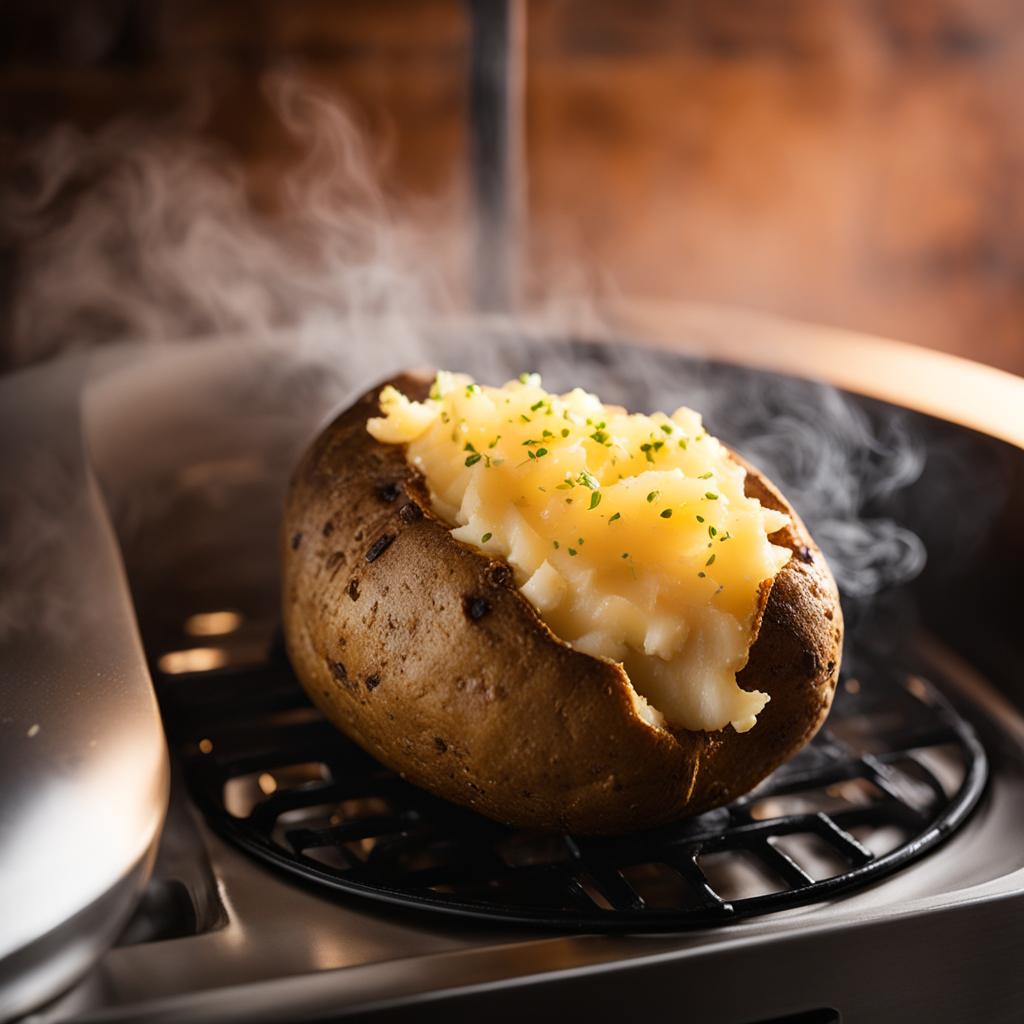
Reheating Leftover Baked Potatoes
When it comes to reheating leftover baked potatoes, it's important to preserve their texture and flavor. Follow these tips to ensure that your reheated potatoes are just as delicious as the first serving.
To start, make sure you choose the right reheating method. Whether you opt for the oven, microwave, or air fryer, each method has its advantages. The oven method is perfect if you want to maintain a crispy texture, while the microwave provides quick and convenient reheating. If you prefer a crispy texture and speedy results, consider using an air fryer.
Regardless of the method you choose, be mindful of the cooking times. Overheating can lead to a loss of texture and flavor. Aim to heat the potatoes until they are just warmed through. This will help retain their original qualities and prevent them from becoming too soft or mushy.
Finally, consider adding some extra flavor to your reheated potatoes. Experiment with different toppings and seasonings to enhance their taste. From herbs and spices to cheese and sour cream, there are endless possibilities to make your reheated potatoes even more enjoyable.
Storing Baked Potatoes Safely
When it comes to storing baked potatoes, safety guidelines should be followed to ensure their freshness and prevent any potential bacterial growth. To maintain the quality of your potatoes, it is important to store them correctly. Leaving baked potatoes at room temperature for more than two hours can expose them to the danger zone where bacteria thrive. To avoid this, it is recommended to store any leftover baked potatoes in the refrigerator within the two-hour timeframe.
Table: Guidelines for Storing Baked Potatoes Safely
| Storage Method | Recommended Timeframe |
|---|---|
| Room Temperature | Up to 2 hours |
| Refrigerator | Within 2 hours |
By refrigerating the baked potatoes promptly, you can maintain their freshness and reduce the risk of bacterial growth. Remember to store them in an airtight container or wrap them tightly in plastic wrap before placing them in the refrigerator. This helps prevent moisture loss and potential cross-contamination with other foods.
Proper storage is essential not only for maintaining the safety of baked potatoes but also for preserving their flavor and texture. By following these safety guidelines, you can enjoy your baked potatoes without any concerns about bacterial risks.
Avoiding Botulism Risks
When it comes to reheating baked potatoes, it's important to be aware of the risks associated with botulism. Botulism is a rare but serious illness caused by the toxin produced by Clostridium botulinum bacteria. These bacteria can thrive in anaerobic environments, such as improperly stored or reheated potatoes. To minimize the risk of botulism, it's crucial to follow safe reheating guidelines.
One of the key factors in preventing botulism is avoiding the use of aluminum foil when cooling or storing baked potatoes. While aluminum foil may seem convenient for wrapping and storing leftovers, it can create the perfect anaerobic environment for botulism-causing bacteria to grow. Instead, transfer the baked potatoes to airtight containers or wrap them in plastic wrap before refrigerating.
Proper reheating is also essential to eliminate any potential botulism-causing bacteria. Whether you choose to reheat in the oven, microwave, or air fryer, make sure the potatoes are heated through properly to a temperature of at least 165°F (74°C). This will help ensure that any bacteria present are destroyed, reducing the risk of botulism.
| Botulism Risks | Reheating Guidelines |
|---|---|
| Use airtight containers or plastic wrap for storage | Do not cool or store baked potatoes in aluminum foil |
| Reheat potatoes to a minimum temperature of 165°F (74°C) | Follow proper reheating instructions for your chosen method (oven, microwave, air fryer) |
By being aware of the botulism risks associated with reheating baked potatoes and following the proper guidelines, you can enjoy your leftovers safely and without any concerns. Remember, safe food practices are essential for ensuring the well-being of yourself and your loved ones.
Conclusion
Reheating baked potatoes to achieve the perfect texture and preserve their flavor is possible with the right methods and techniques. Whether you choose to use the oven, microwave, or air fryer, following proper reheating guidelines will ensure that your baked potatoes taste just as delicious as the first serve. With these tips, you can enjoy fluffy, crispy, and flavorful reheated baked potatoes every time.
Additional Tips and Tricks
Here are some additional tips and tricks for reheating baked potatoes. First, avoid overcooking the potatoes to maintain their fluffy texture. If you prefer a crispy texture, consider using the oven or air fryer method for reheating. For a softer texture, microwave reheating may be more suitable. Experiment with different methods to find your preferred texture.
Don't let your leftover baked potatoes go to waste. Get creative and use them in various recipes. From loaded potato pancakes to potato doughnuts, there are plenty of ways to repurpose leftover potatoes and create delicious meals. Explore different recipes and discover new ways to enjoy the versatility of baked potatoes.
Resources
- Frisky Forks: Can You Reheat a Baked Potato? What to Do with Your Leftover Baked Potato
- BBQ Revolt: How to Reheat a Baked Potato
- Spoon University: The 2 Best Ways to Reheat a Baked Potato
- Insanely Good Recipes: How to Reheat a Baked Potato
- Foodsguy: How Long Do Baked Potatoes Last in the Fridge?
Additional Tips and Tricks
When it comes to reheating baked potatoes, there are a few extra tips and tricks that can help you achieve the perfect texture. Whether you prefer a fluffy, crispy, or soft texture, experimenting with different methods can make a noticeable difference in the outcome. Here are some pointers to keep in mind:
- If you want a fluffy texture, be cautious not to overcook the potatoes. Overcooking can lead to a dry and mealy texture. Stick to the recommended cooking times and check for doneness by poking the potatoes with a fork.
- If a crispy texture is your preference, consider using the oven or air fryer method for reheating. These methods help retain the crispy exterior while heating the potato through.
- On the other hand, if a soft texture is what you're after, the microwave method may be more suitable. Microwaving the potatoes for a shorter time can result in a softer texture while still heating them adequately.
Remember, everyone's texture preferences may vary, so feel free to adjust the cooking times and methods to suit your taste. With a bit of experimentation, you'll be able to achieve reheated baked potatoes that are just as delicious as when they were freshly cooked.
Expert Tip: Serving Suggestions
Reheating baked potatoes isn't only about achieving the perfect texture—it's also an opportunity to elevate the flavors. Consider adding toppings and seasonings to enhance the taste of your reheated potatoes. Sprinkle some grated cheese, chopped chives, or crispy bacon bits for an extra burst of flavor. You can also experiment with different sauces like sour cream, ranch dressing, or salsa. Get creative and discover your favorite combinations!
Overall, reheating baked potatoes to perfection is all about finding the right method and texture that suits your preferences. Whether you're aiming for a fluffy, crispy, or soft texture, these tips and tricks will help you achieve the desired result. So go ahead and enjoy a warm and delicious baked potato, even when it's a leftover!
Using Leftover Baked Potatoes Creatively
If you find yourself with leftover baked potatoes, don't let them go to waste! There are plenty of creative recipes that can help you repurpose these versatile spuds into delicious meals. From loaded potato pancakes to potato doughnuts, the possibilities are endless. Let's explore some ideas to make the most of your leftover baked potatoes.
Loaded Potato Pancakes
Transform your leftover baked potatoes into crispy and flavorful pancakes. Simply mash the potatoes with some cheese, bacon bits, and chopped green onions. Form the mixture into patties and pan-fry until golden brown on both sides. Serve these loaded potato pancakes as a tasty side dish or even as a savory breakfast option.
Cheesy Potato Soup
For a comforting and hearty meal, turn your leftover baked potatoes into a cheesy potato soup. Start by sautéing onions and garlic in a pot. Add diced leftover potatoes, chicken or vegetable broth, and your choice of herbs and spices. Let the soup simmer until the potatoes are soft and easily mashed. Finish by stirring in some shredded cheese for a creamy and indulgent soup.
Twice-Baked Stuffed Potatoes
Elevate your leftover baked potatoes by transforming them into twice-baked stuffed potatoes. Cut the potatoes in half lengthwise and scoop out the flesh, leaving a thin layer attached to the skin. Mash the scooped-out flesh with butter, sour cream, cheese, and any desired mix-ins like cooked bacon or roasted vegetables. Refill the potato skins with the mixture and bake until golden and crispy on top.
These are just a few creative ideas to inspire you to make delicious meals using leftover baked potatoes. Get creative in the kitchen and let your taste buds guide you to new and exciting dishes. With a little bit of imagination, you can turn your leftovers into culinary masterpieces.
Resources
If you're looking for additional information and further reading on reheating baked potatoes, I've gathered some helpful resources for you to explore:
- Frisky Forks: Can You Reheat a Baked Potato? What to Do with Your Leftover Baked Potato
- BBQ Revolt: How to Reheat a Baked Potato
- Spoon University: The 2 Best Ways to Reheat a Baked Potato
- Insanely Good Recipes: How to Reheat a Baked Potato
- Foodsguy: How Long Do Baked Potatoes Last in the Fridge?
These resources offer additional insights and tips for reheating baked potatoes, as well as ideas for repurposing and storing leftovers. They are great references to expand your knowledge and ensure your reheated baked potatoes turn out perfectly every time.
Feel free to explore these resources at your leisure and discover new techniques and creative recipes to make the most of your baked potatoes.
Source Links
- https://www.tastingtable.com/789009/the-absolute-best-ways-to-reheat-baked-potatoes/
- https://www.tasteofhome.com/article/how-to-reheat-a-baked-potato/
- https://www.wikihow.com/Reheat-a-Baked-Potato
Frequently asked questions
- Can I reheat baked potatoes in the oven?
Yes, reheating baked potatoes in the oven is an effective method. Preheat the oven to 350°F (177°C), place the potatoes on a baking sheet, and bake for about 20 minutes or until heated through.
- How can I reheat baked potatoes in the microwave?
To reheat baked potatoes in the microwave, slice the potato in half, cover each side with damp paper towels, and heat for 2-3 minutes on high power.
- Can I use an air fryer to reheat baked potatoes?
Yes, using an air fryer is a quick and crispy reheating option for baked potatoes. Set the air fryer to 350°F (177°C) to 400°F (204°C), place the baked potato in the fryer, and cook for 3-4 minutes or until heated through.
- Should I bring baked potatoes to room temperature before reheating?
Yes, it's recommended to bring baked potatoes to room temperature before reheating to ensure even heating throughout. Let the potatoes sit at room temperature for a while before reheating.
- How do I thaw frozen baked potatoes before reheating?
Thaw frozen baked potatoes by either leaving them in the refrigerator overnight or letting them sit at room temperature until completely thawed. Thawing ensures more even reheating and prevents cold spots in the potatoes.
- What can I do to retain the texture and flavor of reheated baked potatoes?
To retain the texture and flavor of reheated baked potatoes, avoid cooling or storing them in aluminum foil as it can trap heat and moisture, promoting bacterial growth. Additionally, use toppings and seasonings to enhance the flavor of reheated potatoes.
- How should I store leftover baked potatoes?
To store leftover baked potatoes safely, refrigerate them within two hours after cooking. Leaving them at room temperature for too long can promote bacterial growth within the danger zone of 40°F (4°C) to 140°F (60°C).
- Can reheating baked potatoes incorrectly lead to botulism?
Yes, reheating baked potatoes incorrectly, especially when cooled or stored in aluminum foil, can create an anaerobic environment that promotes botulism-causing bacteria. Follow safe reheating guidelines to avoid this risk.
- What are some additional tips for reheating baked potatoes?
Avoid overcooking the potatoes to maintain their fluffy texture. If you prefer a crispy texture, use the oven or air fryer method. For a softer texture, microwave reheating may be more suitable. Experiment with different methods to find your preferred texture.
- How can I use leftover baked potatoes in other dishes?
Get creative and use leftover baked potatoes in various recipes such as loaded potato pancakes or potato doughnuts. There are plenty of ways to repurpose leftover potatoes and enjoy their versatility.
- Where can I find more resources on reheating baked potatoes?
For more information on reheating baked potatoes and related topics, you can refer to the following resources:
- Frisky Forks: Can You Reheat a Baked Potato? What to Do with Your Leftover Baked Potato
- BBQ Revolt: How to Reheat a Baked Potato
- Spoon University: The 2 Best Ways to Reheat a Baked Potato
- Insanely Good Recipes: How to Reheat a Baked Potato
- Foodsguy: How Long Do Baked Potatoes Last in the Fridge?
Note: These resources provide additional insights and tips for reheating baked potatoes.
AprilCook, recipe developer and the heart of Chefwiz. More about April