Guide
Ginger Paste Substitute: What Can You Use Instead?
Looking for a ginger paste substitute? I've got you covered! Discover versatile alternatives that capture ginger's unique zing. Spice up your food now!
 By April17 min read
In this guide
- Overview of Ginger Paste
- Fresh Ginger Root as a Substitute for Ginger Paste
- Ground Ginger as a Substitute for Ginger Paste
- Ginger Juice as a Substitute for Ginger Paste
- Candied or Crystalized Ginger as a Substitute for Ginger Paste
- Galangal as a Substitute for Ginger Paste
- Lemongrass as a Substitute for Ginger Paste
- Turmeric as a Substitute for Ginger Paste
- Orange Zest as a Substitute for Ginger Paste
- Lemon Zest as a Substitute for Ginger Paste
- Conclusion
- Source Links
- FAQ
If you find yourself in need of a ginger paste substitute for your recipe, don't worry! There are plenty of options available to capture that unique zing of ginger. In this article, I will explore versatile alternatives that can be used in place of ginger paste. From fresh ginger to ground ginger to other spices and ingredients, you'll be able to find the perfect substitute to spice up your food.
Overview of Ginger Paste
Ginger paste is a versatile ingredient that is commonly used in Indian cooking and Asian dishes. It is a flavorful and aromatic seasoning that adds a unique zing to various recipes. Made by blending fresh ginger with water and other spices, ginger paste has a smooth and thick consistency that makes it easy to incorporate into your dishes.
Used primarily as a flavoring and seasoning agent, ginger paste is a staple in many traditional recipes. It is often used to make curries, masalas, and other savory dishes, providing a warm and spicy taste. However, ginger paste can also be used in sweet dishes like pumpkin pie, adding a subtle sweetness to complement the other flavors.
In addition to its delicious taste, ginger paste also offers several health benefits. It is known for its immune-supporting properties and can help relieve nausea and motion sickness. With its rich flavor and potential health benefits, ginger paste is a valuable ingredient to have in your pantry.
Ginger Paste in a Nutshell
- Ingredient commonly used in Indian cooking and Asian dishes
- Smooth, thick mixture of ground ginger and other ingredients
- Adds a warm and spicy flavor to savory dishes
- Can be used in sweet dishes for a subtle sweetness
- Offers immune support and helps relieve nausea and motion sickness
Now that we have an overview of ginger paste and its place in the culinary world, let's explore some versatile substitutes that can be used in place of ginger paste to add that unique ginger flavor to your recipes.
Fresh Ginger Root as a Substitute for Ginger Paste
When it comes to finding a substitute for ginger paste, fresh ginger root is a versatile option that can bring a similar flavor profile to your dishes. This aromatic and spicy root can be easily found in most grocery stores or Asian stores. To use fresh ginger as a substitute, you can either mince or grate it before incorporating it into your recipe.
The flavor of fresh ginger is more intense compared to ginger paste, so it's important to use a smaller amount to avoid overpowering the other flavors in your dish. The spiciness of fresh ginger adds a pleasant kick, while its subtle sweetness complements various cuisines. As a general rule of thumb, you can substitute 1 teaspoon of ginger paste with 1/4 teaspoon of grated fresh ginger.
Whether you're making a stir-fry, curry, or even a delicious ginger-infused dessert, fresh ginger root can provide that zesty flavor that ginger paste offers. Its vibrant taste and aroma make it an excellent option for those seeking to add a natural and authentic touch to their dishes.
https://www.youtube.com/watch?v=Hs_VJKd29jI
| Ginger Paste | Fresh Ginger Root |
|---|---|
| Smooth texture | Crunchy texture |
| Mild spiciness | Intense spiciness |
| Slightly sweet | Naturally sweet |
Benefits of Using Fresh Ginger Root
- Healthier alternative with natural compounds and antioxidants
- Intensifies the flavor profile of various dishes
- Provides a satisfying crunch in recipes with texture
- Offers a natural sweetness without added sugars
"Fresh ginger root brings a vibrant and robust flavor to your recipes, making it an excellent substitute for ginger paste. Plus, it adds a delightful crunch and natural sweetness. Don't hesitate to experiment with fresh ginger root to create truly flavorful dishes."
Ground Ginger as a Substitute for Ginger Paste
Ground ginger, also known as ginger powder, is a versatile substitute for ginger paste. It is made from dried and ground ginger root, offering a convenient option for adding ginger flavor to your dishes. With its intense, aromatic flavor, ground ginger can enhance the taste of your recipes and provide a pleasant spicy kick.
To use ground ginger as a substitute for ginger paste, you'll need to adjust the amount used. As ground ginger has a less intense flavor than fresh ginger or ginger paste, you may want to use a slightly larger quantity when substituting. For instance, instead of 1 teaspoon of ginger paste, you can use 1/4 teaspoon of ground ginger.
One of the advantages of using ground ginger is its long shelf life. It can be easily stored in your pantry and available whenever you need it. Whether you're making curries, baked goods, or marinades, ground ginger can bring an authentic ginger flavor to your dishes. Just remember to adjust the quantity to achieve your desired taste, as the intensity of ground ginger may vary between brands.
Table: Comparing Ground Ginger and Ginger Paste
| Characteristic | Ground Ginger | Ginger Paste |
|---|---|---|
| Flavor | Spicy and aromatic | Spicy and slightly sweet |
| Texture | Powdered | Smooth paste |
| Intensity | Less intense | More intense |
| Convenience | Long shelf life | Requires refrigeration |
| Usage | Various recipes, including curries, baked goods, and marinades | Mainly used in Indian and Asian cuisine |
As shown in the table, while ground ginger and ginger paste offer similar flavors, they have distinct characteristics. Ground ginger is a powdered form with a less intense flavor, making it suitable for a wide range of recipes. On the other hand, ginger paste has a smooth texture and a stronger flavor, commonly used in Indian and Asian dishes for its unique taste profile.
Ginger Juice as a Substitute for Ginger Paste
If you're looking for an intense and flavorful substitute for ginger paste, look no further than ginger juice. Made by pressing fresh ginger and then straining it, ginger juice provides a concentrated burst of ginger flavor that can elevate your dishes. While it may have a slightly more intense spice level compared to ginger paste, you can easily adjust the amount used to suit your taste preferences.
When substituting ginger juice for ginger paste, keep in mind that it is highly concentrated, so you may need to use a smaller amount. Start with a teaspoon of ginger juice for every teaspoon of ginger paste called for in the recipe, and adjust to taste. This substitution works particularly well in dishes where the ginger flavor needs to shine through, such as stir-fries, marinades, and dressings.
The Benefits of Using Ginger Juice
In addition to its intense flavor, ginger juice also offers several health benefits. Ginger is known for its anti-inflammatory and antioxidant properties, which can help boost your immune system and reduce inflammation in the body. It is also commonly used to soothe digestive issues and alleviate nausea. By using ginger juice as a substitute for ginger paste, you not only enhance the taste of your dishes but also gain these added health benefits.
"Ginger juice provides a concentrated burst of ginger flavor that can elevate your dishes."
Experimenting with Ginger Juice in Your Recipes
Don't be afraid to get creative and experiment with ginger juice in your recipes. Its intense flavor and spice level can add a fiery kick to both savory and sweet dishes. Try using it in sauces, soups, smoothies, and even desserts like gingerbread or ginger cookies for a unique twist. Remember to start with a small amount and adjust as needed to avoid overwhelming the other flavors in your dish.
In Summary
Ginger juice is a fantastic substitute for ginger paste when you want to add an intense burst of ginger flavor to your recipes. Its concentrated nature allows you to use less while still enjoying the bold taste. Remember to adjust the amount used based on your personal preferences and the dish you're preparing. With ginger juice, you can take your dishes to the next level and experience the vibrant and spicy notes of ginger in every bite.
Candied or Crystalized Ginger as a Substitute for Ginger Paste
If you're looking for a sweet twist to replace ginger paste in your recipe, candied or crystalized ginger is a fantastic option. This alternative not only provides a substitute for the flavor of ginger paste but also adds a delightful sweetness to your dish.
Candied ginger is made by cooking fresh ginger in a sugar syrup, which preserves its unique flavor and gives it a sweet taste. Crystalized ginger, on the other hand, is candied ginger that has been dried. Both forms of ginger can be used interchangeably as a substitute for ginger paste.
When substituting candied or crystalized ginger for ginger paste, it's important to consider the sweetness factor. Since candied ginger is naturally sweet, you may want to adjust the amount of other sweeteners in your recipe to avoid overpowering the dish. However, if you're looking to add a touch of sweetness to your dish, candied or crystalized ginger can be a perfect addition.
Benefits of Using Candied or Crystalized Ginger
- Flavor: Candied or crystalized ginger adds a sweet and spicy flavor to your dish, making it a delicious alternative to ginger paste.
- Versatility: This substitute can be used in both sweet and savory recipes, allowing you to experiment with different flavors and creations.
- Convenience: Candied or crystalized ginger is easily accessible in most grocery stores and can be stored for long periods, making it a convenient choice.
So, if you're in need of a ginger paste substitute that brings a touch of sweetness to your dish, consider using candied or crystalized ginger. It's a flavorful and versatile alternative that can elevate your recipes with a delightful twist.
Galangal as a Substitute for Ginger Paste
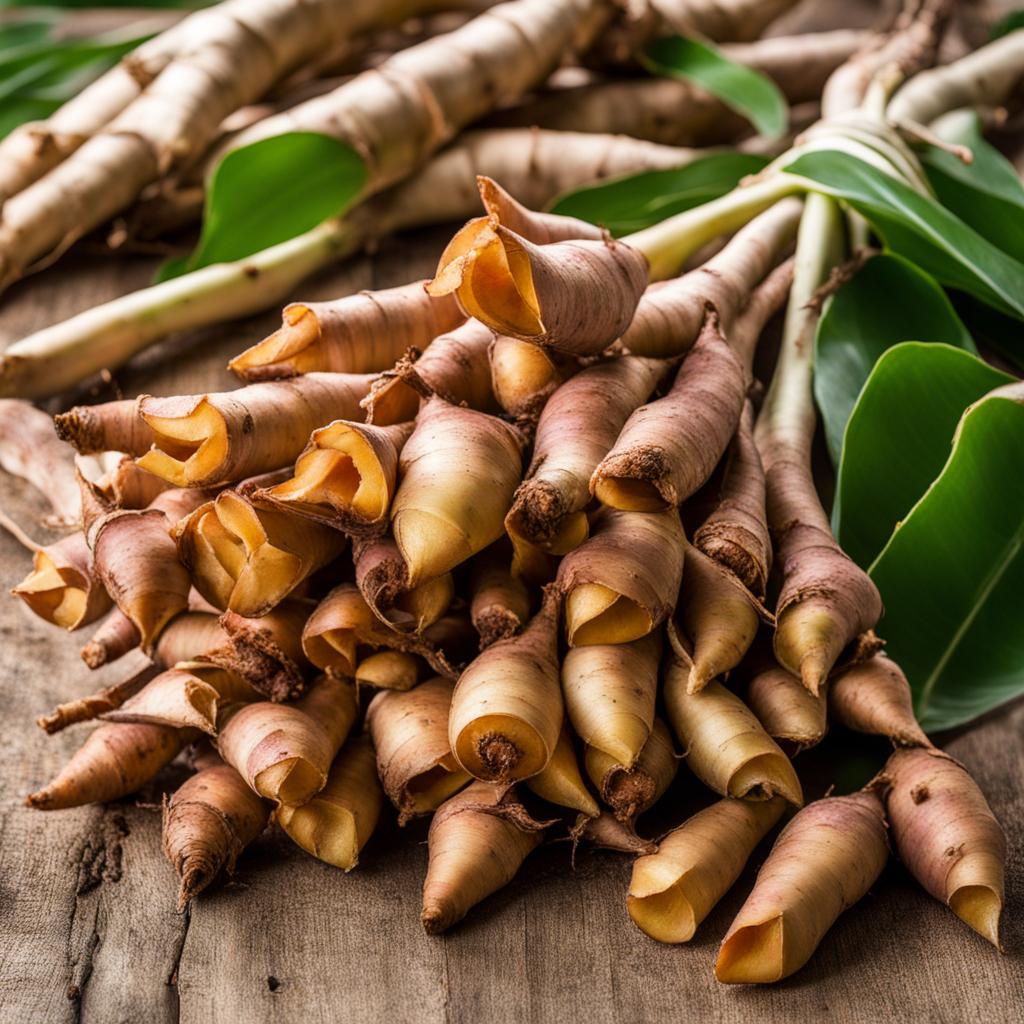
Ginger paste is a versatile ingredient used in various cuisines, but if you find yourself without it, galangal can be a great substitute. Galangal is a root that is related to turmeric and has a unique flavor profile of its own. It has an earthy and pungent taste with a hint of citrus, making it an excellent alternative for ginger paste.
When using galangal as a substitute, it's important to note that its flavor is not as creamy as ginger paste. Therefore, you may want to use a smaller amount of galangal and adjust to taste. As a general guideline, you can substitute 1 teaspoon of ginger paste with 1 teaspoon of galangal.
Galangal can be found in Asian grocery stores or specialty spice shops. It is commonly used in Thai cuisine and adds a distinct flavor to dishes like curries, soups, and stir-fries. Its earthy and pungent notes can bring a unique twist to your recipes and give them a vibrant and aromatic touch.
So, if you're looking to experiment with flavors and try something new, consider using galangal as a substitute for ginger paste. Its earthy, pungent, and citrusy taste will add depth and complexity to your dishes, giving them a delightful twist that will leave your taste buds wanting more.
| Ginger Paste | Galangal |
|---|---|
| Smooth texture | Less creamy texture |
| Spicy and slightly sweet flavor | Earthy, pungent, and citrusy flavor |
| Used in Indian and Asian cuisine | Used in Thai cuisine |
| Commonly used in curries, masalas, and savory dishes | Brings a unique twist to curries, soups, and stir-fries |
| Health benefits include immune support and relief from nausea | No significant health benefits |
Lemongrass as a Substitute for Ginger Paste
When it comes to finding a substitute for ginger paste, lemongrass is a fantastic option to consider. With its citrusy flavor, delightful aroma, and a hint of spicy kick, lemongrass can add a unique twist to your dishes. Whether you're cooking savory meals or baking sweet treats, lemongrass offers a refreshing substitute that will tantalize your taste buds.
Lemongrass is an herb commonly used in Asian cuisine, known for its bright and zesty flavor. It can be used in a variety of dishes, including curries, soups, stir-fries, and even beverages. The citrus notes in lemongrass complement the spiciness of ginger and provide a vibrant and aromatic element to your recipes.
When using lemongrass as a substitute for ginger paste, it's important to consider the balance of flavors in your dish. Lemongrass has a milder taste compared to ginger paste, so be mindful of adjusting the other spices and seasonings accordingly. To substitute 1 teaspoon of ginger paste, you can use 1 teaspoon of finely chopped or crushed lemongrass.
To fully experience the flavors of lemongrass, consider complementing it with other ingredients that enhance its citrusy profile. For example, pairing lemongrass with lime zest, cilantro, or Thai basil can create a harmonious blend of flavors in your dish. Don't be afraid to get creative and explore the vibrant world of lemongrass as an alternative to ginger paste.
| Ginger Paste | Lemongrass Substitute |
|---|---|
| Intense ginger flavor | Citrusy flavor with a mild spicy kick |
| Smooth paste consistency | Finely chopped or crushed lemongrass |
| Used in a variety of savory and sweet dishes | Commonly used in Asian cuisine |
| Spicy and slightly sweet taste | Refreshing and aromatic profile |
In summary, lemongrass is a fantastic substitute for ginger paste, offering a citrusy flavor, delightful aroma, and a hint of spicy kick. It adds a refreshing twist to your dishes and complements a variety of flavors. Remember to adjust the other spices and seasonings accordingly to maintain the balance of flavors in your recipe. With lemongrass, you can enjoy the zing of ginger even when you're out of ginger paste.
Turmeric as a Substitute for Ginger Paste
When it comes to finding a substitute for ginger paste, turmeric can be a surprising but effective option. While turmeric and ginger have different flavor profiles, turmeric's earthy and mild taste can complement a variety of dishes. Turmeric is commonly used in Indian and Asian cuisines, and its vibrant yellow color can add a visually appealing touch to your recipes. By using turmeric as a substitute, you can still enjoy the aromatic and subtle flavors that ginger provides.
To incorporate turmeric into your recipe as a substitute for ginger paste, you can use 2 teaspoons of turmeric to replace 1 teaspoon of ginger paste. However, keep in mind that turmeric has a milder flavor compared to ginger paste, so you may need to adjust the quantity according to your taste preferences. As with any substitute, it's always recommended to start with a smaller amount and gradually increase as needed.
Turmeric is known for its health benefits, including its anti-inflammatory properties and potential immune-boosting effects. By using turmeric as a substitute for ginger paste, you not only add depth of flavor to your dishes but also introduce a spice that may have positive health impacts. So don't hesitate to experiment with turmeric in your recipes when you find yourself without ginger paste.
| Turmeric as a Substitute for Ginger Paste | Ginger Paste |
|---|---|
| Flavor | Earthy and mild |
| Color | Vibrant yellow |
| Recommended Quantity | 2 teaspoons of turmeric to replace 1 teaspoon of ginger paste |
| Health Benefits | Anti-inflammatory properties and potential immune-boosting effects |
Turmeric, with its earthy and mild flavor, can be an excellent substitute for ginger paste. Its vibrant yellow color adds an appealing touch to dishes, and it brings a unique flavor profile to your recipes. By using turmeric as a substitute, you can still enjoy the aromatic and subtle flavors that ginger provides. Don't be afraid to experiment with turmeric and explore the exciting possibilities it offers in your favorite recipes.
Benefits of Using Turmeric as a Substitute
1. Mild and Earthy Flavor: Turmeric adds a distinct earthiness to your dishes, complementing a variety of flavors.
2. Vibrant Color: The vibrant yellow color of turmeric brings visual appeal to your recipes, making them more enticing.
3. Health Benefits: Turmeric has long been recognized for its potential health benefits, including its anti-inflammatory properties and potential immune-boosting effects.
Orange Zest as a Substitute for Ginger Paste
If you're in need of a ginger paste substitute for your recipe, consider using orange zest. Orange zest is the finely grated peel from an orange, and it adds a bright citrus flavor to dishes. While it may not have the same intensity as ginger paste, it can still provide a nice citrusy note to your dish.
When using orange zest as a substitute for ginger paste, keep in mind that the flavor may not be as strong. However, it can still be a delicious addition to both sweet and savory dishes. You can use orange zest in curries, stir-fries, salads, soups, and even baked goods. It pairs well with other spices and herbs, adding complexity to your recipes.
To substitute 1 teaspoon of ginger paste, use 1 teaspoon of finely grated orange zest. Remember to adjust the other flavors in your recipe accordingly to achieve the desired taste. Orange zest is a versatile substitute that can bring a refreshing twist to your dishes, so don't hesitate to give it a try!
"Orange zest is a versatile substitute that can bring a refreshing twist to your dishes, so don't hesitate to give it a try!"
Lemon Zest as a Substitute for Ginger Paste
When it comes to finding a substitute for ginger paste, lemon zest can be a fantastic option. Lemon zest is the finely grated outer layer of a lemon's skin that adds a bright citrus flavor and aroma to dishes. While the flavor may not be as intense as ginger paste, it can still provide a refreshing and tangy twist to your recipe.
Lemon zest is best used in lighter dishes such as salads, soups, and baked goods. It can also be used to make a bright citrusy vinaigrette or marinade. Its delicate flavor adds a subtle complexity to your dishes, enhancing the overall taste and aroma.
To use lemon zest as a substitute for ginger paste, simply grate the outer layer of a lemon's skin using a fine grater or zester. Be sure to only grate the yellow part of the skin, avoiding the bitter white pith underneath. Generally, you can substitute 1 teaspoon of ginger paste with 1 teaspoon of lemon zest, but feel free to adjust the amount to suit your personal preference.
| Ginger Paste | Lemon Zest |
|---|---|
| Strong and spicy flavor | Bright and tangy flavor |
| Intense aroma | Refreshing aroma |
| Used in savory dishes like curries and masalas | Best suited for lighter dishes like salads and soups |
| Thick consistency | Light and zesty |
Using lemon zest as a substitute for ginger paste brings a burst of citrus flavor to your recipes. Its delicate and refreshing taste can brighten up a variety of dishes, adding a unique twist to your culinary creations.
Conclusion
In conclusion, if you find yourself without ginger paste, there are several options available to substitute its unique flavor. From fresh ginger to ground ginger to other spices and ingredients like lemongrass and citrus zest, you can find a substitute that fits your recipe. Each substitute offers its own flavor profile, so don't be afraid to experiment and find the substitute that best suits your taste preferences and the dish you are preparing. With these alternatives, you can still spice up your food and enjoy the zing of ginger in your favorite recipes.
So the next time you're in the kitchen and realize you're out of ginger paste, don't panic. Just reach for one of these ginger substitutes and let the flavors come alive in your cooking. Whether you choose the spiciness of fresh ginger, the earthiness of turmeric, or the citrusy kick of lemongrass, you can create delicious and flavorful dishes without compromising on taste.
Remember, cooking is all about experimenting and finding what works best for you. So go ahead, get creative, and discover the perfect ginger paste substitute that will add that extra flavor and spice up your food!
Source Links
- https://willamettetransplant.com/ginger-paste/
- https://www.cleaneatingkitchen.com/ginger-paste-substitute/
- https://www.foodchamps.org/ginger-paste-substitute/
Frequently asked questions
- Can I substitute fresh ginger for ginger paste?
Yes, fresh ginger root can be used as a substitute for ginger paste. Simply mince or grate it before adding it to your recipe. Use 1/4 teaspoon of grated fresh ginger to substitute 1 teaspoon of ginger paste.
- Can I use ground ginger instead of ginger paste?
Absolutely! Ground ginger, also known as ginger powder, is a great substitute for ginger paste. Use slightly more ground ginger than the amount of ginger paste called for in your recipe. Use 1/4 teaspoon of ground ginger to substitute 1 teaspoon of ginger paste.
- How can I use ginger juice as a substitute for ginger paste?
Ginger juice can be used as a substitute for ginger paste, but you may need to adjust the amount used to avoid overpowering the other flavors in your dish. Use 1 teaspoon of ginger juice to substitute 1 teaspoon of ginger paste.
- Can I use candied or crystalized ginger in place of ginger paste?
Yes, you can use candied or crystalized ginger as a substitute for ginger paste. Keep in mind that candied ginger is sweet, so you may need to adjust the sweetness in your recipe. Use 2 tablespoons of candied or crystalized ginger to substitute 1 teaspoon of ginger paste.
- What is galangal and can it be used as a substitute for ginger paste?
Galangal is a type of ginger root that can be used as a substitute for ginger paste. It has an intense, earthy, and pungent flavor with a hint of citrus. Use 1 teaspoon of galangal to substitute 1 teaspoon of ginger paste.
- Is lemongrass a good substitute for ginger paste?
Yes, lemongrass can be used as a substitute for ginger paste. It has a citrusy taste and a slightly spicy kick. Use 1 teaspoon of lemongrass to substitute 1 teaspoon of ginger paste.
- Can I use turmeric in place of ginger paste?
Turmeric can be used as a substitute for ginger paste, but it has a milder flavor. Use 2 teaspoons of turmeric to substitute 1 teaspoon of ginger paste.
- Can I use orange zest instead of ginger paste?
Yes, orange zest can be used as a substitute for ginger paste. It adds a bright citrus flavor to dishes. Use 1 teaspoon of orange zest to substitute 1 teaspoon of ginger paste.
- Is lemon zest a good substitute for ginger paste?
Lemon zest can be used as a substitute for ginger paste, but it has a more delicate flavor. Use 1 teaspoon of lemon zest to substitute 1 teaspoon of ginger paste.
AprilCook, recipe developer and the heart of Chefwiz. More about April